



Eco-Friendly Kitchen Practices for Indian Families
Indian kitchens are the heart of the home—constantly buzzing with cooking, prepping, storing, and cleaning. From daily tadkas to pressure cooking, our kitchens witness heavy usage, which means they also generate significant waste, consume energy, and rely on cookware that may not always be environmentally friendly.
Shifting to a sustainable kitchen doesn’t require a complete overhaul. Small, thoughtful changes can dramatically reduce environmental impact while improving your cooking experience and your family’s health. Here are simple, effective, and eco-friendly kitchen practices that Indian families can adopt.
1. Switch to Sustainable Cookware Choices
Choosing the right cookware is the first step toward building an eco-conscious kitchen. Sustainable cookware is durable, toxin-free, and reduces reliance on materials that harm the environment.
Ceramic Cookware Like Meyer Anzen
Meyer Anzen ceramic cookware is a great eco-friendly option for everyday Indian cooking. It uses a natural ceramic coating, is free from harmful chemicals, and requires less oil—making it healthier and greener. The long life span of ceramic cookware also reduces waste in the long run.
Cast Iron for Longevity
Cast iron pans and tawas last for generations, making them one of the most sustainable cookware choices. They offer excellent heat retention and are perfect for dosas, rotis, and shallow frying.
Stainless Steel for Daily Durability
High-quality stainless steel cookware, especially tri-ply constructions, is durable, recyclable, and ideal for dal, sabzi, and boiling tasks. Long-lasting cookware means fewer replacements and reduced environmental impact.

2. Reduce Plastic Use in Storage
Plastic containers are common in Indian kitchens, but they contribute significantly to environmental pollution and can release toxins.
Replace or gradually phase out plastic by choosing:
- Glass jars for spices, grains, and pulses
- Steel dabba sets for daily storage
- Ceramic or glass containers for leftovers
These options are long-lasting, easy to clean, and far safer for food.
3. Adopt Energy-Efficient Cooking Habits
Small cooking habits can significantly reduce gas and electricity consumption.
- Use lids while cooking to reduce energy loss
- Soak dals, rajma, and chana to shorten cooking time
- Use pressure cookers for faster, fuel-efficient cooking
- Cook in batches instead of multiple small sessions
Energy-efficient cooking also preserves nutrients and reduces overall kitchen time.
Meyer Cast Iron curved Kadai without Lid, 20cm
4. Choose Natural Cleaning Solutions
Commercial kitchen cleaners often contain chemicals that harm the environment and linger on cookware.
Switch to natural alternatives:
-
Vinegar and baking soda for removing grease
-
Lemon and rock salt for cleaning steel and brass
-
Hot water and mild liquid cleanser for ceramic cookware like Meyer Anzen to maintain coating integrity
These natural ingredients are gentle, safe, and eco-friendly.
5. Minimize Food Waste Through Smart Planning
Food waste is a major issue in Indian households.
Adopt simple habits:
-
Maintain a weekly meal plan
-
Store leftovers properly and repurpose them
-
Use vegetable scraps to make stock
-
Buy groceries in smaller, more frequent batches if needed
Using every part of your food reduces waste and saves money.
6. Opt for Reusable Kitchen Essentials
Instead of disposable items, choose long-lasting alternatives.
Replace:
- Paper towels with cloth kitchen towels
- Disposable plastic wraps with beeswax wraps or fabric covers
- Single-use tea bags with reusable strainers
These swaps reduce daily waste and are cost-effective in the long run.
7. Compost Kitchen Waste
Indian kitchens generate plenty of vegetable peels and organic waste. Home composting is simple and highly beneficial.
You can compost:
- Fruit and vegetable peels
- Tea leaves
- Spoiled grains
- Eggshells
Compost enriches garden soil and reduces landfill waste, making your kitchen more sustainable.
8. Use Water Efficiently While Cooking and Cleaning
Water shortage is a growing concern, especially during summers and monsoon delays.
Reduce water usage by:
- Washing vegetables in a bowl instead of running water
- Reusing leftover washing water for plants
- Using efficient dishwashing practices
Small steps contribute to significant conservation over time.
9. Buy Local and Seasonal Produce
Locally grown fruits, vegetables, and grains have a smaller carbon footprint compared to imported produce.
Benefits include:
- Fresher ingredients
- Better nutrition
- Lower costs
- Support for local farmers
Seasonal eating is traditional, sustainable, and delicious.
10. Build a Minimalist Kitchen
Overstuffed kitchens lead to clutter, waste, and unnecessary purchasing.
Sustainable kitchens focus on:
- Fewer but high-quality cookware pieces
- Multi-purpose tools
- Thoughtful buying habits
For example, a durable ceramic pan like Meyer Anzen, a cast iron tawa, and a stainless steel kadhai can handle most Indian cooking needs perfectly.
Conclusion
Creating an eco-friendly kitchen is not about drastic changes—it’s about making mindful choices every day. From choosing sustainable cookware like Meyer Anzen to conserving water, minimizing waste, and using natural cleaning methods, Indian families can easily build kitchens that are healthier for both the family and the environment.
A greener kitchen is not just a trend—it’s a legacy you pass on to the next generation.
MORE FROM BLOG
Top Collections

5 essential qualities of a non-stick cookware
2 Items
Best Grill Frying Pan For Grill Marks
2 Items
Best Non Stick Roti Tawa Price: Cookware For Everyone
2 Items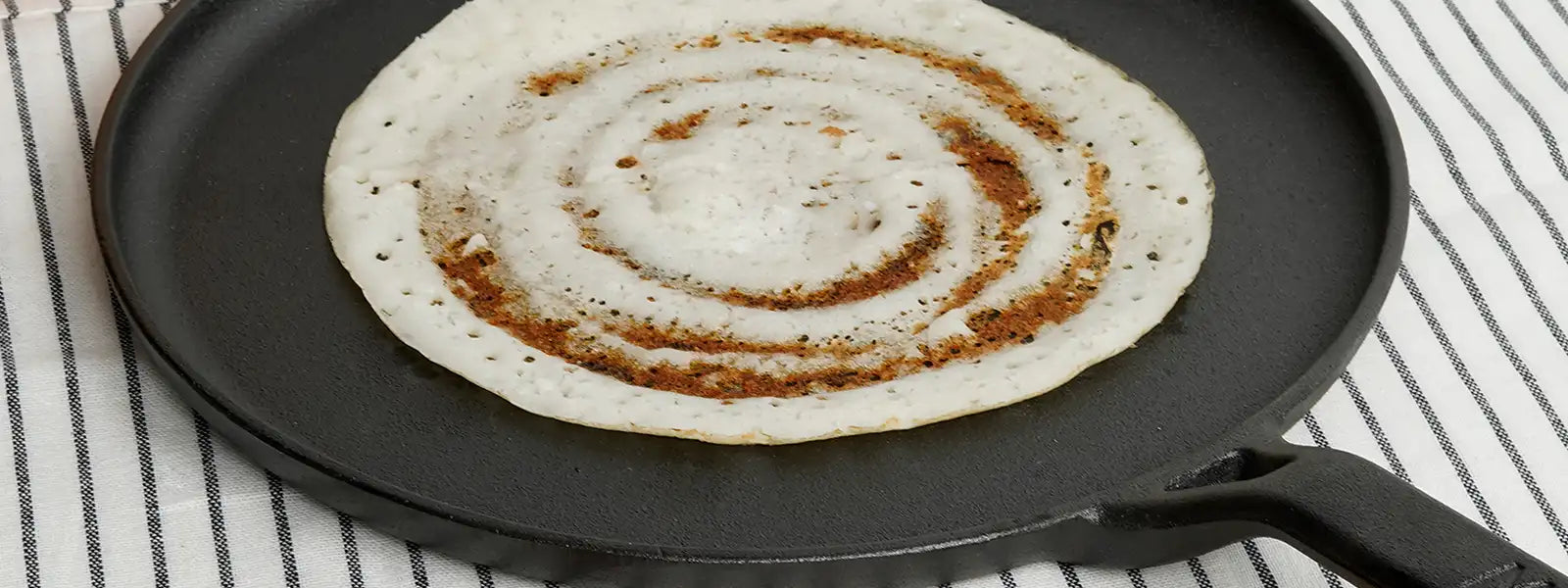
Cast Iron Dosa Tawa Vs Nonstick Tawa: Best Dosa Tawa in India
2 Items
Easy way to turn Stainless Steel Pan into Nonstick
2 Items
Eco-Friendly Cookware Options for the Sustainable Chef in 2025
2 Items



Leave a comment