



Cast iron cookware has been trusted in kitchens around the world for centuries. Known for its exceptional durability, superior heat retention, and ability to enhance flavor, cast iron remains one of the most dependable cookware materials available today. From traditional iron kadais used in Indian kitchens to modern Dutch ovens and skillets, cast iron cookware continues to be a favorite among home cooks and professional chefs alike.
However, when choosing cast iron cookware today, many people find themselves deciding between bare cast iron and enamelled cast iron. While both types share the same solid iron core, they differ in surface finish, maintenance requirements, and cooking applications.
Understanding the difference between these two cookware types can help you choose the one that best suits your cooking style. In this guide, we’ll explore the pros, cons, and ideal uses of enamelled cast iron vs bare cast iron, so you can decide which one deserves a place in your kitchen.
Table of Contents
What Is Bare Cast Iron?
Bare cast iron refers to traditional cast iron cookware that has no coating or enamel layer. It is made by pouring molten iron into molds, creating thick, durable cookware pieces such as skillets, pans, and kadais.
Because raw iron is prone to rust, bare cast iron cookware must be seasoned with oil. Seasoning involves heating oil on the surface of the pan so it bonds with the metal and forms a protective layer. Over time, this seasoning builds up and creates a natural non-stick surface.
Bare cast iron cookware has been used for generations because of its unmatched strength and ability to perform well in high-heat cooking.
Key Features of Bare Cast Iron
· Solid cast iron construction
· Requires seasoning for protection
· Develops a natural non-stick surface over time
· Extremely durable and long-lasting
With proper care, bare cast iron cookware can last for decades and often becomes better with use.

What Is Enamelled Cast Iron?
Enamelled cast iron cookware is traditional cast iron coated with a layer of enamel, a smooth glass-like material fused onto the iron at very high temperatures.
This enamel coating protects the iron from rust and eliminates the need for seasoning. The surface is non-reactive, meaning it will not interact with acidic ingredients such as tomatoes or vinegar.
Enamelled cast iron cookware combines the heat performance of cast iron with easier maintenance and a smoother cooking surface.
Key Features of Enamelled Cast Iron
· Cast iron core with enamel coating
· No seasoning required
· Rust resistant and non-reactive
· Easy to clean and maintain
Many enamelled cast iron cookware pieces also come in vibrant colors and elegant finishes, making them suitable for both cooking and serving.
Pros of Bare Cast Iron
Bare cast iron cookware has remained popular for centuries because of its strength and cooking performance.
Exceptional Heat Retention
One of the biggest advantages of bare cast iron cookware is its ability to retain heat for long periods. Once heated, the pan maintains a steady temperature, which is ideal for cooking methods that require consistent heat.
This makes bare cast iron excellent for searing meats, frying foods, and baking.
Naturally Non-Stick Over Time
With proper seasoning, bare cast iron develops a natural non-stick surface. The more the cookware is used and maintained, the smoother and more efficient the cooking surface becomes.
Unlike synthetic non-stick coatings, this natural non-stick layer improves over time.
Extremely Durable
Bare cast iron cookware is almost indestructible. Even if rust forms or seasoning wears away, the cookware can be restored by cleaning and re-seasoning it.
Because of this durability, cast iron cookware is often passed down through generations.
Ideal for High Heat Cooking
Bare cast iron can handle extremely high temperatures without damage. This makes it perfect for cooking methods such as:
· Searing steaks
· Deep frying snacks
· Roasting vegetables
· Baking skillet breads
Few cookware materials perform as well as cast iron when exposed to intense heat.
Cons of Bare Cast Iron
Despite its many advantages, bare cast iron also has some limitations.
Requires Regular Seasoning
To prevent rust and maintain its non-stick properties, bare cast iron cookware must be seasoned regularly. This maintenance may feel inconvenient for beginners.
Can Rust if Not Maintained Properly
If bare cast iron is left wet or stored improperly, it can quickly develop rust. Proper drying and oiling are necessary after washing.
Reactive with Acidic Foods
Bare cast iron can react with acidic ingredients such as tomatoes, vinegar, or citrus. These foods can break down the seasoning layer and sometimes give food a metallic taste.
Heavier Than Many Cookware Types
Cast iron cookware is significantly heavier than materials such as aluminum or stainless steel. While this weight contributes to heat retention, it may be difficult for some people to handle.
Pros of Enamelled Cast Iron
Enamelled cast iron cookware offers many of the benefits of traditional cast iron while eliminating some of its maintenance requirements.
No Seasoning Required
One of the biggest advantages of enamelled cast iron cookware is convenience. Because the enamel coating protects the iron, seasoning is not necessary.
This makes enamelled cast iron easier for beginners to use.
Non-Reactive Surface
The enamel coating prevents reactions between the cookware and acidic ingredients. This makes enamelled cast iron ideal for cooking dishes that contain tomatoes, vinegar, citrus, or wine.
Many curries, sauces, and stews benefit from this non-reactive cooking surface.
Rust Resistant
The enamel coating forms a protective barrier that prevents moisture from reaching the iron core. As a result, enamelled cast iron cookware is far less likely to rust.
Easier Cleaning
Unlike bare cast iron, enamelled cookware can be cleaned using regular dish soap and water. It does not require special cleaning techniques or immediate oiling after washing.
This convenience makes enamelled cast iron more suitable for everyday cooking.
Attractive Appearance
Enamelled cast iron cookware often features elegant colors and polished finishes, making it visually appealing. Many people use it not only for cooking but also for serving food directly at the table.
Cons of Enamelled Cast Iron
While enamelled cast iron offers many advantages, it also has a few limitations.
Enamel Can Chip
The enamel coating can chip if the cookware is dropped or handled roughly. Once chipped, the enamel cannot be repaired easily.
Not Ideal for Extremely High Heat
Enamelled cast iron performs best on medium heat. Prolonged exposure to very high temperatures can damage the enamel coating.
Usually More Expensive
Because of the additional manufacturing process, enamelled cast iron cookware is generally more expensive than bare cast iron.
When to Use Bare Cast Iron
Bare cast iron cookware performs best in situations where high heat and strong searing are required.
Best Cooking Uses
· Searing meat and fish
· Deep frying snacks
· Baking breads and desserts
· Cooking over open flames
Bare cast iron is also widely used for traditional cooking methods where intense heat enhances flavor.
When to Use Enamelled Cast Iron
Enamelled cast iron cookware shines when cooking slow, flavorful dishes that require steady heat and moisture retention.
Best Cooking Uses
· Tomato-based curries
· Braised vegetables
· Soups and stews
· Slow-cooked gravies
· One-pot meals
The non-reactive surface also makes enamelled cast iron perfect for dishes that include acidic ingredients.
Which One Should You Choose?
Choosing between enamelled cast iron and bare cast iron ultimately depends on your cooking habits.
Bare cast iron is ideal for cooks who enjoy high-heat cooking, frying, and traditional techniques. It is incredibly durable and develops a natural non-stick surface over time.
Enamelled cast iron, on the other hand, is better suited for those who want the benefits of cast iron without the extra maintenance. It is easier to clean, rust-resistant, and perfect for cooking sauces, curries, and slow-cooked meals.
Many experienced home cooks prefer to keep both types of cookware in their kitchen. This allows them to use bare cast iron for searing and frying while relying on enamelled cast iron for braising and simmering.
Final Thoughts
Both enamelled cast iron and bare cast iron cookware offer exceptional cooking performance, but they serve slightly different purposes in the kitchen.
Bare cast iron excels in high-heat cooking and develops a natural seasoning that improves with time. Enamelled cast iron provides convenience, easier maintenance, and a non-reactive surface for versatile cooking.
Understanding the strengths of each type can help you choose the right cookware for your kitchen. Whether you prefer the traditional charm of bare cast iron or the convenience of enamelled cast iron, both options deliver durability, flavor, and reliable performance for years of cooking.
MORE FROM BLOG
Top Collections
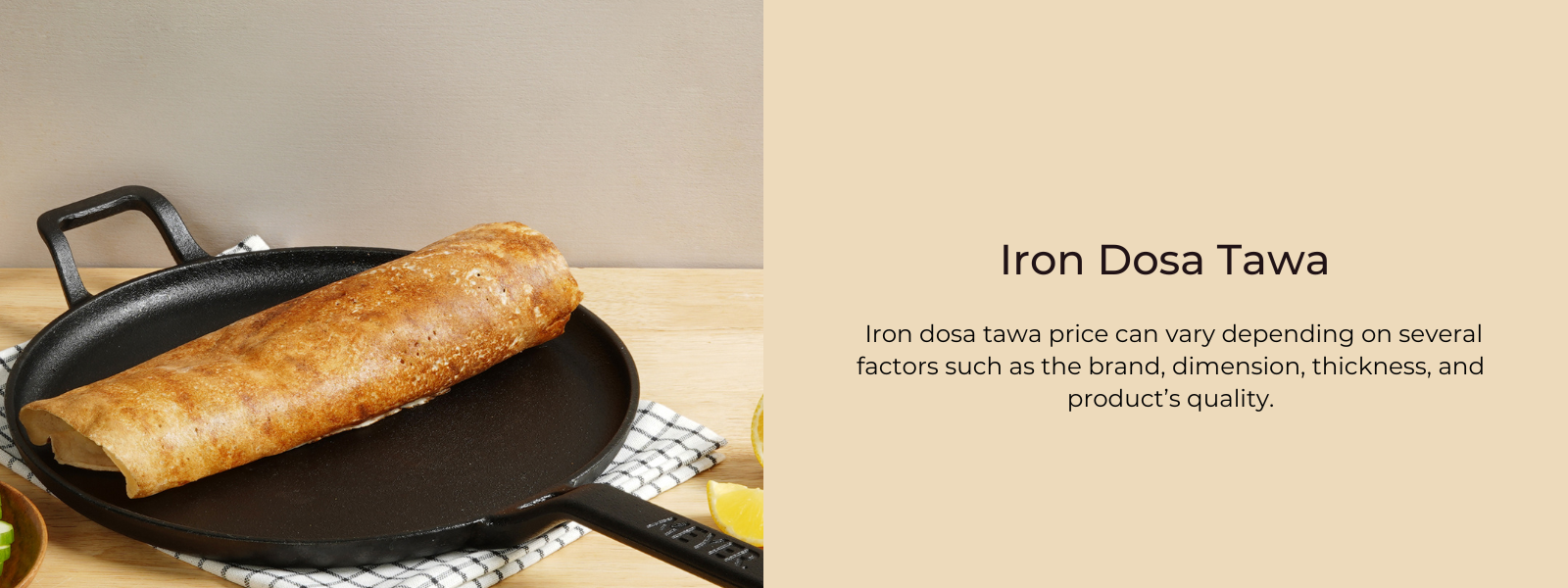
Best Iron Dosa Tawa Price: Pre-seasoned Cast Iron Tawa at a Special Rate
2 Items
Cast Iron Cookware: A Comprehensive Guide to Heat Retention
2 Items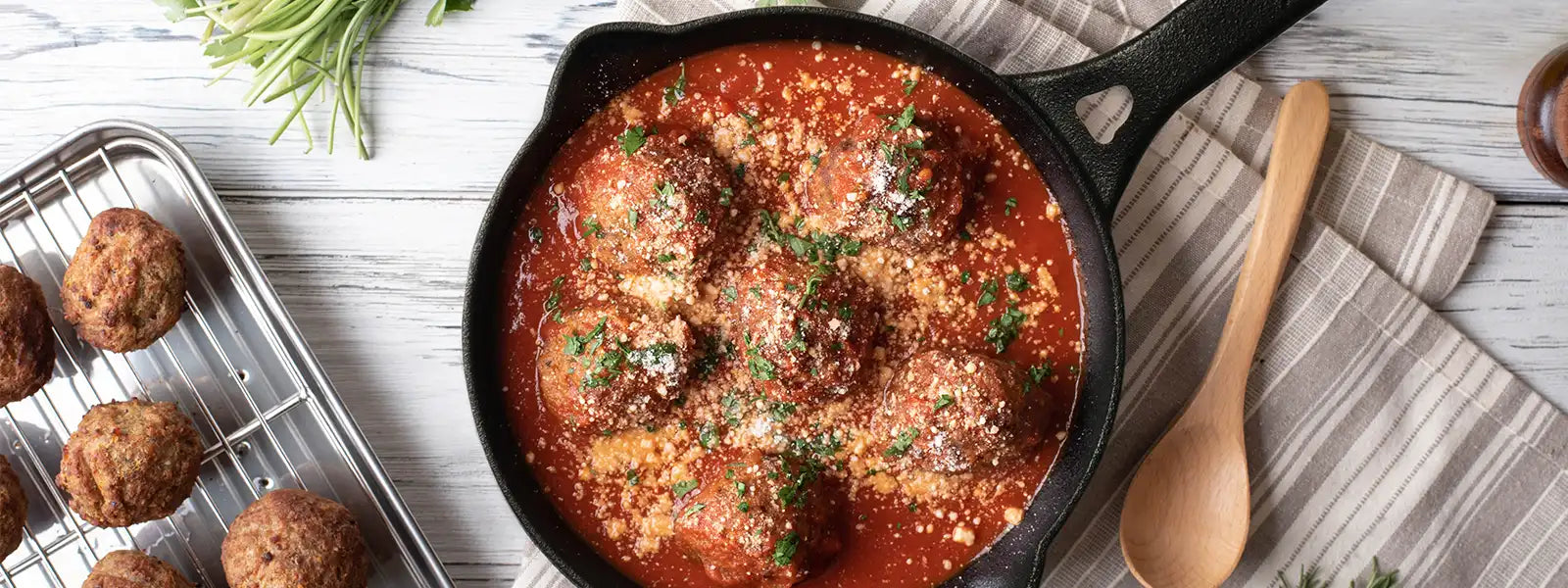
Cast iron cookware for Indian Curries
2 Items
Cast Iron Cookware: How It Can Last a Lifetime
2 Items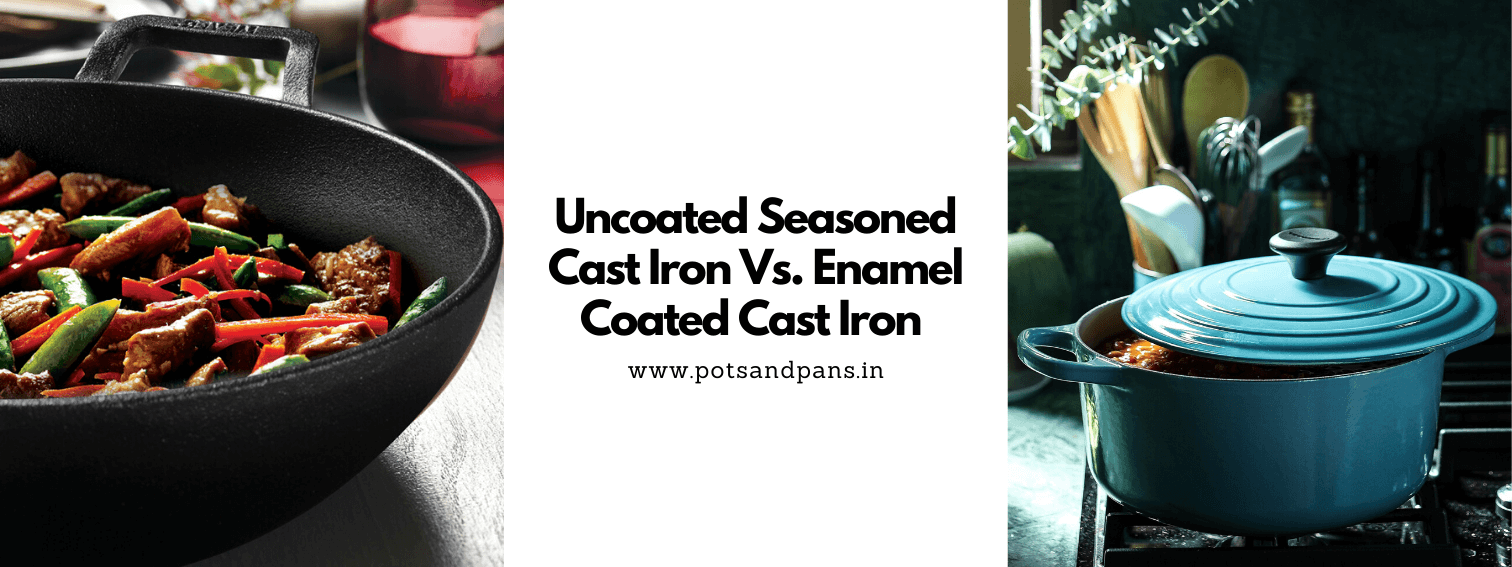
Enamel Coated Cast Iron vs Uncoated Seasoned Cast Iron
2 Items


Leave a comment