



Even cooking is the backbone of successful Indian meals. From perfectly sautéed onions for a rich bhuna base to evenly simmered dals and gravies, heat control determines flavour, texture, and nutritional value. Uneven heat often leads to burnt masalas, undercooked vegetables, or gravies sticking to the bottom of the pan. This is where ceramic cookware has emerged as a reliable solution for modern Indian homes.
Ceramic cookware is increasingly being chosen by Indian households not just for its clean cooking surface, but for its ability to distribute heat evenly and gently—something essential for everyday Indian cooking. Let’s explore in detail how ceramic cookware supports even cooking and why it works so well for Indian meals prepared multiple times a day.
Table of Contents
- 1. Understanding Even Cooking in Indian Cuisine
- 2. The Science Behind Ceramic Cookware and Heat Distribution
- 3. Ceramic Coating for Heat Stability
- 4. How Ceramic Cookware Prevents Hot Spots
- 5. Ideal Heat Control for Indian Cooking Techniques
- 6. Why Ceramic Cookware Works Well for Daily Indian Meals
- 7. Even Cooking Across Different Cooktops
- 8. Benefits of Even Cooking for Indian Food Quality
- 9. Common Indian Dishes That Benefit from Ceramic Cookware
- 10. Care Practices That Preserve Even Cooking Performance
- 11. Ceramic Cookware vs Other Materials for Even Cooking
- 12. Why Ceramic Cookware Fits Modern Indian Lifestyles
- 13. Conclusion
Understanding Even Cooking in Indian Cuisine
Indian cooking techniques rely on layered heat application. Unlike quick Western sautés, Indian recipes often involve:
-
Slow cooking of onions and tomatoes
-
Controlled roasting of spices
-
Simmering dals and gravies
-
Gentle cooking of vegetables without losing moisture
Uneven heat can easily disrupt this process. Hot spots can burn spices before they release flavour, while cooler areas may leave ingredients raw. Ceramic cookware addresses this challenge through its material composition and thermal behaviour.

The Science Behind Ceramic Cookware and Heat Distribution
Aluminium Core for Fast, Uniform Heat Spread
Most quality ceramic cookware is built on a thick aluminium base. Aluminium is known for its excellent heat conductivity. When placed on a gas stove or induction cooktop, heat spreads rapidly across the entire surface instead of concentrating at one point.
This uniform heat spread ensures that the entire cooking surface reaches a similar temperature, allowing ingredients to cook evenly whether they are placed at the centre or near the edges of the pan.
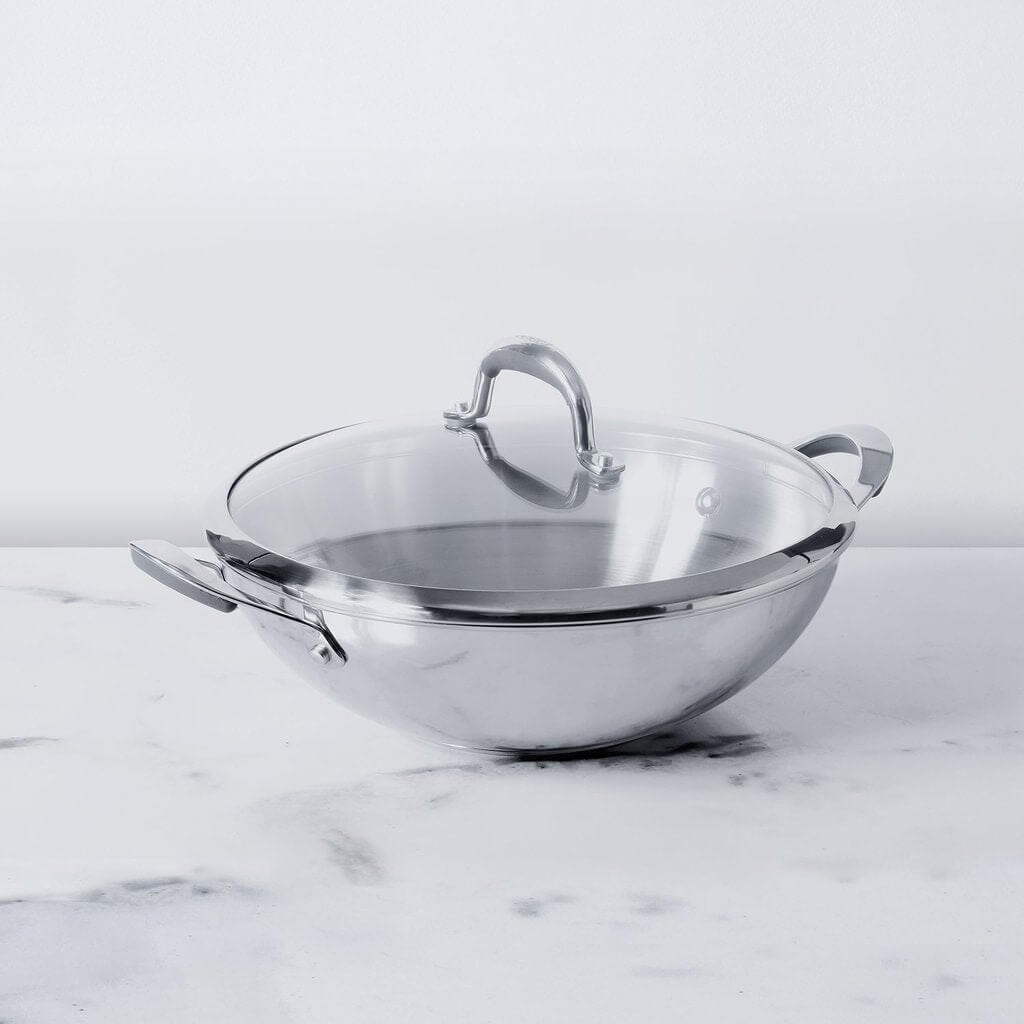
Meyer Anzen Ceramic Coated Cookware 30cm Kadai with Lid
Ceramic Coating for Heat Stability
The ceramic layer applied over the metal base plays a crucial role in heat stability. Unlike bare metal, ceramic moderates heat flow, preventing sudden spikes in temperature. This is particularly helpful for Indian dishes that require gradual cooking, such as:
- Dal tadka
- Rajma and chole gravies
- Vegetable curries
- Paneer preparations
Once heated, ceramic cookware retains warmth evenly, allowing food to cook steadily without scorching.
How Ceramic Cookware Prevents Hot Spots
Hot spots are a common problem in thin or low-quality cookware. They occur when certain areas heat faster than others, leading to uneven cooking.
Ceramic cookware minimises this issue in three ways:
-
Consistent heat transfer from the base to the sides
-
Smooth ceramic surface that spreads oil and moisture evenly
-
Stable heat retention, reducing temperature fluctuations
This is especially beneficial during bhuna stages, where masalas need to cook slowly until oil separates without burning.
Ideal Heat Control for Indian Cooking Techniques
Low to Medium Heat Cooking
Most Indian recipes are best cooked on low to medium flame. Ceramic cookware performs exceptionally well in this range. It responds predictably to flame adjustments, making it easier to maintain steady heat while cooking:
-
Sabzis
-
Stir-fried vegetables
-
Egg curries
-
Lentil dishes
This controlled heat environment helps retain flavours and nutrients while preventing food from sticking.
Even Cooking with Minimal Oil
Ceramic cookware has a naturally smooth, non-reactive surface that requires less oil. Less oil means better contact between food and the cooking surface, which improves heat transfer.
For Indian households aiming to cook healthier meals—such as sautéed vegetables, shallow-fried snacks, or light curries—ceramic cookware allows even browning and cooking without excess fat.
Why Ceramic Cookware Works Well for Daily Indian Meals
Indian kitchens often cook multiple meals a day, sometimes using the same cookware repeatedly. Ceramic cookware is designed to deliver consistent performance throughout the day when used correctly.
Whether you are preparing breakfast poha, afternoon sabzi, or dinner curry, the even heat distribution ensures predictable results every time.
Modern ceramic cookware ranges like Meyer Anzen are designed keeping daily Indian cooking habits in mind. Their balanced construction helps maintain consistent heat across gas and induction stoves, making them suitable for homes that cook frequently.
Even Cooking Across Different Cooktops
Gas Stove Performance
On gas stoves, ceramic cookware spreads the flame’s heat evenly across the base. This reduces the risk of the centre overheating while the sides remain cooler, a common issue with traditional pans.
Induction Compatibility
Many contemporary ceramic cookware designs come with induction-compatible bases. These bases are engineered to draw heat uniformly from the induction surface and distribute it evenly across the pan body. This ensures that gravies, dals, and curries cook uniformly even on flat induction cooktops.
Benefits of Even Cooking for Indian Food Quality
Even cooking directly impacts the quality of Indian meals in several ways:
- Better flavour development as spices cook uniformly
- Improved texture in vegetables and legumes
- Reduced food waste due to burning or sticking
- Consistent results across multiple cooking sessions
This makes ceramic cookware a practical choice for families that value both taste and efficiency.
Common Indian Dishes That Benefit from Ceramic Cookware
Ceramic cookware is particularly effective for:
- Tomato-onion gravies
- Dal makhani and simple dals
- Paneer bhurji and paneer gravies
- Dry sabzis like aloo gobi or bhindi
- Light stir-fries and shallow frying
The even heat prevents overcooking while allowing ingredients to retain their natural colour and flavour.
Care Practices That Preserve Even Cooking Performance
To maintain the even cooking benefits of ceramic cookware, a few simple habits are important:
- Always cook on low to medium heat
- Avoid sudden temperature changes
- Use wooden or silicone utensils
- Allow the pan to cool before washing
Proper care ensures that the ceramic surface remains intact and continues to distribute heat efficiently.
Ceramic Cookware vs Other Materials for Even Cooking
Compared to stainless steel, ceramic cookware is more forgiving with heat, making it easier for home cooks to manage daily meals. While cast iron retains heat extremely well, it can be heavy and slow to respond. Ceramic cookware strikes a balance by offering even heat without excessive weight or maintenance.
This balance is one reason ceramic cookware has become popular in urban Indian kitchens where convenience and consistency matter.
Why Ceramic Cookware Fits Modern Indian Lifestyles
With changing lifestyles, many Indian households now seek cookware that supports:
- Healthier cooking
- Faster meal preparation
- Easy cleaning
- Reliable performance
Ceramic cookware aligns well with these needs. Thoughtfully designed collections like Meyer Anzen reflect this shift by offering cookware that supports even cooking while fitting seamlessly into everyday Indian routines.
Conclusion: Why Ceramic Cookware Ensures Even Cooking Every Day
Ceramic cookware helps achieve even cooking by combining an efficient heat-conducting base with a heat-stable ceramic coating. This combination allows heat to spread uniformly, reduces hot spots, and maintains steady temperatures throughout the cooking process.
For Indian kitchens where cooking involves careful heat management, slow cooking, and frequent meal preparation, ceramic cookware offers consistency, control, and reliability. When used correctly, it enhances flavour development, reduces oil usage, and makes everyday Indian cooking smoother and more predictable.
As Indian home cooks continue to balance tradition with modern convenience, ceramic cookware stands out as a dependable choice for even, efficient, and healthier cooking—meal after meal.
MORE FROM BLOG
Top Collections
How To Season Cast Iron Cookware?
2 Items
Cookware That Works Best on Induction Stovetops in 2025
2 Items
Essential features of a good cookware
2 Items
Health Benefits Of Cooking In Ceramic Cookware
2 Items
How to Avoid Rust on Your Cast Iron Cookware in 2025
2 Items
How to turn cast iron into non-stick cookware
2 Items
Know your Ceramic Cookware better
2 Items


Leave a comment