



Overcooked vegetables lose more than just texture. They lose colour, nutrients, aroma, and that vibrant bite that defines good Indian cooking. Whether you’re preparing bhindi, aloo gobi, beans poriyal, or a quick stir-fry, controlling heat is the difference between perfectly cooked vegetables and a mushy, lifeless dish.
The secret? It’s not just about lowering the flame. It’s about using the right cookware—because different materials respond to heat differently.
Here’s how to avoid overcooking vegetables by using smart heat control with the right Meyer cookware.
Table of Contents
- 1. Use Controlled, Even Heat for Daily Sabzis
- 2. Use Steady Heat Retention for Slow-Cooked Vegetables
- 3. Master Flame Control with Precision Cooking
- 4. Why Vegetables Overcook in the First Place
- 5. Choosing the Right Cookware Based on Vegetable Type
- 6. Lid vs No Lid
- 7. Flame Control Guidelines for Perfect Vegetables
- 8. Oil Usage and Its Role in Preventing Overcooking
- 9. Colour and Texture as Indicators
- 10. Long-Term Benefits of Controlled Cooking
- 11. Conclusion
Use Controlled, Even Heat for Daily Sabzis
Meyer Merlot Non-Stick Kadai/Wok With Lid
For everyday Indian vegetable dishes, this non-stick kadai offers exceptional heat balance.
Why It Prevents Overcooking
-
Even heat distribution avoids hot spots
-
Non-stick coating prevents sticking and burning
-
Requires less oil, reducing heavy sautéing
-
Lid helps trap moisture without aggressive steam buildup
Thin, low-quality pans often overheat quickly, causing vegetables to brown too fast outside while softening excessively inside. The Meyer Merlot Non-Stick Kadai distributes heat gently and evenly, allowing vegetables to cook through without turning soggy.
Best For:
-
Bhindi fry
-
Aloo beans
-
Cabbage sabzi
-
Tinda, lauki, parwal
-
Stir-fried mixed vegetables
Heat Control Tip:
Start on medium heat for tempering. Once vegetables are added, reduce to low-medium and cook covered for a few minutes. The retained steam softens vegetables without constant stirring.
Because of the non-stick surface, you don’t need to overcook to prevent sticking.

Use Steady Heat Retention for Slow-Cooked Vegetables
Meyer Pre Seasoned Cast Iron Shallow Kadai With Glass Lid
Cast iron behaves differently from non-stick. It heats slowly—but retains heat extremely well. That makes it powerful for controlled cooking, provided you manage the flame properly.
Why It Prevents Overcooking (When Used Correctly)
-
Maintains stable temperature
-
Avoids sudden heat spikes
-
Cooks evenly from all sides
-
Ideal for gradual caramelisation
Vegetables often overcook when exposed to fluctuating high heat. Cast iron stabilises temperature once heated, preventing those rapid spikes.
Best For:
-
Baingan bharta base
-
Bharwa vegetables
-
Aloo jeera
-
Carrot-beans sabzi
-
Shallow-fried vegetables
Heat Control Tip:
Always preheat cast iron on low. Once warm, add oil and vegetables. Avoid high flame, because cast iron retains heat long after the flame is reduced.
The glass lid helps monitor cooking without lifting repeatedly, preserving controlled moisture.
If you respect the heat retention, cast iron gives beautifully cooked vegetables with slight crispness—never soggy.
Master Flame Control with Precision Cooking
Meyer Select Stainless Steel Kadai
Stainless steel offers superior heat responsiveness. It heats quickly—and cools quickly when flame is reduced. This makes it excellent for precise control.
Why It Prevents Overcooking
-
Immediate response to flame adjustments
-
Ideal for quick sautéing
-
No coating breakdown at higher temperatures
-
Perfect for controlled browning
Unlike non-stick or cast iron, stainless steel allows you to manipulate heat instantly. If vegetables are cooking too fast, simply lower the flame and the temperature drops quickly.
Best For:
-
Capsicum stir-fry
-
French beans
-
Broccoli
-
Quick sautéed greens
-
Indo-Chinese vegetable dishes
Heat Control Tip:
Allow the kadai to preheat, then add oil. Once oil is warm, add vegetables and toss quickly. Cook uncovered to retain crisp texture.
Stainless steel works best when you want vegetables tender yet slightly crunchy—not soft.
Why Vegetables Overcook in the First Place
Overcooking usually happens because of:
-
High flame throughout cooking
-
Thin cookware creating hotspots
-
Overcrowding the pan
-
Excess water release
-
Constant stirring
-
Cooking covered for too long
Using premium cookware helps control these variables naturally.
Choosing the Right Cookware Based on Vegetable Type
For Water-Rich Vegetables (Lauki, Tinda, Cabbage)
Use the Meyer Merlot Non-Stick Kadai.
It prevents sticking even when vegetables release moisture.
For Root Vegetables (Aloo, Carrot, Beetroot)
Use the Cast Iron Shallow Kadai.
Its steady heat allows even cooking without burning the surface.
For Quick-Cooking Vegetables (Capsicum, Beans, Broccoli)
Use the Stainless Steel Kadai.
It gives excellent control to avoid over-softening.
Lid vs No Lid: When to Cover
-
Use lid briefly for harder vegetables
-
Avoid covering soft vegetables too long
-
In non-stick and cast iron, lids help retain moisture
-
In stainless steel, open cooking preserves crunch
Glass lids (as in Meyer Merlot and Cast Iron Shallow Kadai) help monitor cooking without disrupting temperature balance.
Flame Control Guidelines for Perfect Vegetables
-
Start medium for tempering.
-
Reduce to low-medium after adding vegetables.
-
Avoid high flame unless stir-frying quickly.
-
Adjust flame early—not after vegetables soften too much.
-
Allow residual heat to finish cooking in cast iron.
Remember: vegetables continue cooking even after switching off the flame—especially in cast iron.
Oil Usage and Its Role in Preventing Overcooking
Excess oil traps heat and speeds up cooking.
Premium cookware like Meyer Merlot Non-Stick requires minimal oil, helping vegetables cook evenly without heavy softening.
In stainless steel, proper preheating ensures vegetables don’t stick, reducing the need for repeated stirring—which often leads to overcooking.
Colour and Texture as Indicators
Perfectly cooked vegetables should:
-
Retain vibrant colour
-
Hold shape
-
Offer slight resistance when bitten
-
Not appear dull or grey
-
Not release excessive water
Right cookware preserves these qualities.
Long-Term Benefits of Controlled Cooking
Using the right kadai doesn’t just prevent overcooking. It:
-
Preserves nutrients
-
Enhances flavour retention
-
Maintains spice balance
-
Reduces oil consumption
-
Improves presentation
Most importantly, it gives consistency—something every Indian kitchen values.
Conclusion
Avoiding overcooked vegetables isn’t about cooking less—it’s about cooking smarter.
-
For everyday sabzis with minimal oil and easy control, choose the Meyer Merlot Non-Stick Kadai/Wok With Lid.
-
For slow, even cooking with excellent heat retention, rely on the Meyer Pre Seasoned Cast Iron Shallow Kadai With Glass Lid.
-
For precise flame control and quick stir-fries, use the Meyer Select Stainless Steel Kadai.
When cookware responds correctly to heat, your vegetables stay vibrant, flavourful, and perfectly textured—just the way Indian cooking intends them to be.
Because great cooking begins with the right control.
MORE FROM BLOG
Top Collections
Cast Iron Cookware: Best Practices for Cleaning and Storage
2 Items
Cast Iron Cookware for Camping: Everything You Need to Know
2 Items
Cast Iron Cookware: The Benefits of Cooking with Tradition
2 Items
How to Maintain Your Cast Iron Cookware
2 Items
Is stainless steel cookware suitable for all Indian recipes?
2 Items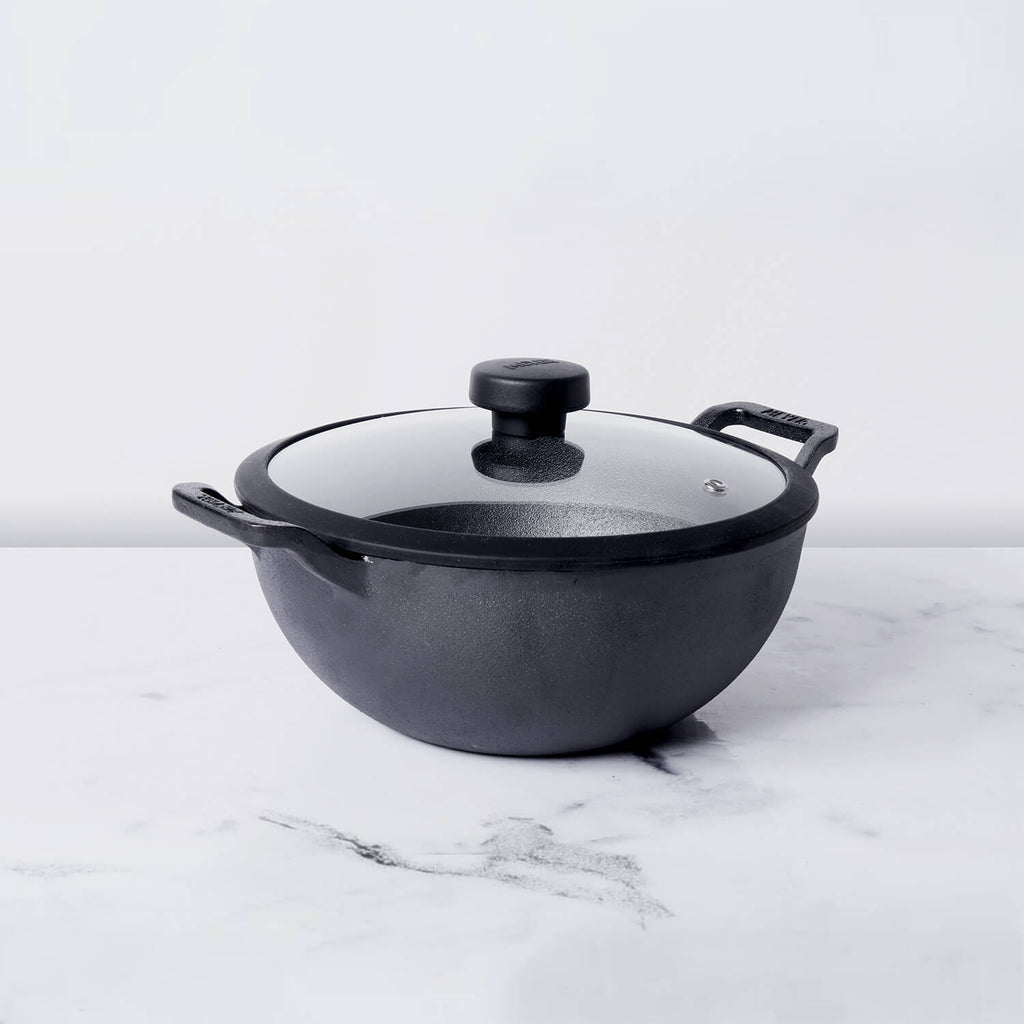


Leave a comment