



For many Indian home cooks, cast iron cookware carries a reputation of being heavy, intimidating, and difficult to manage. While our grandparents relied on cast iron daily, modern kitchens—filled with nonstick and lightweight pans—have made many people hesitant to return to this traditional material. Yet, cast iron remains one of the most rewarding cookware choices once you understand how to use it correctly. Learning how to build confidence cooking with cast iron pans is less about skill and more about understanding heat, timing, and care.
With the right approach and the right cookware, cast iron can easily become your most trusted pan in the kitchen.
Table of Contents
- 1. Start by Understanding How Cast Iron Works
- 2. Begin with Simple, Familiar Recipes
- 3. Learn the Importance of Proper Preheating
- 4. Use the Right Amount of Oil
- 5. Trust the Pan and Avoid Over-Stirring
- 6. Understand Seasoning as a Living Process
- 7. Use Cast Iron for Indian Cooking Styles It Excels At
- 8. Accept That Mistakes Are Part of the Learning Curve
- 9. Why Meyer Cast Iron Makes the Learning Curve Easier
- 10. Final Thoughts
Start by Understanding How Cast Iron Works
The first step to cooking confidently with cast iron is understanding that it behaves differently from aluminium or nonstick cookware. Cast iron heats slowly but retains heat extremely well. This means it does not respond instantly to flame changes, but once hot, it stays evenly heated for a long time.
In Indian cooking, this characteristic is actually an advantage. Whether you are sautéing onions, cooking masalas, or simmering dals, steady heat prevents burning and allows flavours to develop deeply. When you recognise that cast iron needs a few extra minutes to warm up, most early frustrations disappear.

Begin with Simple, Familiar Recipes
Confidence grows fastest when you start with foods you already know how to cook. Instead of attempting delicate dishes immediately, begin with forgiving recipes such as jeera rice, aloo sabzi, shallow-fried vegetables, or parathas.
These dishes allow you to observe how cast iron behaves without pressure. A well-seasoned cast iron pan, like a Meyer Pre-Seasoned Cast Iron Frypan, performs beautifully for everyday Indian cooking and helps eliminate the fear of food sticking.
Once you see consistent results, moving on to gravies, dals, and slow-cooked curries becomes far easier.
Meyer Enamel Cast Iron Sauteuse, 26cm, Grey
Learn the Importance of Proper Preheating
One of the biggest mistakes new cast iron users make is cooking on a cold pan. Proper preheating is essential for building confidence and achieving non-stick performance.
Place your cast iron pan on medium flame and allow it to heat gradually for a few minutes before adding oil. When the pan is hot enough, the oil will spread easily and shimmer slightly. This step prevents sticking and ensures even cooking, especially for Indian spices and masalas.
Meyer’s pre-seasoned cast iron cookware simplifies this process by offering a smoother surface that responds well to gradual heating.
Use the Right Amount of Oil (Not Too Much, Not Too Little)
Many people believe cast iron requires excessive oil, while others try to use too little and face sticking issues. The truth lies in balance.
In Indian cooking, a small amount of oil used correctly is enough. Once the pan is hot, the oil creates a natural barrier between the food and the surface. Over time, as the seasoning improves, you will naturally find yourself using less oil.
This gradual reduction builds confidence and reinforces why cast iron is valued for healthier cooking.
Trust the Pan and Avoid Over-Stirring
Cast iron rewards patience. Constant stirring or flipping—often done out of fear—actually prevents food from releasing naturally from the pan.
When cooking in cast iron, allow ingredients to sit for a few moments before turning them. Whether you’re frying spices or roasting vegetables, food releases easily once it has cooked properly on one side.
Learning to trust the pan is a key milestone in building confidence.
Understand Seasoning as a Living Process
Seasoning is often misunderstood as a one-time task. In reality, seasoning is an ongoing process that improves with every use.
Each time you cook with oil in cast iron, you strengthen its natural non-stick surface. Proper cleaning—using warm water, a soft scrub, and thorough drying—helps preserve this seasoning. Occasional oiling after cooking keeps the surface protected.
High-quality cookware like Meyer Pre-Seasoned Cast Iron Pans arrives ready to use, reducing anxiety for beginners while allowing seasoning to improve naturally over time.
Use Cast Iron for Indian Cooking Styles It Excels At
Confidence grows when cookware performs well consistently. Cast iron excels in Indian cooking techniques such as:
Slow-cooked curries that need stable heat
Tadkas that require controlled temperature
Bhuna masalas that need even browning
Rotis and parathas that benefit from uniform heat
By using cast iron for dishes it handles best, you experience success early, which builds long-term confidence.
Accept That Mistakes Are Part of the Learning Curve
Every cast iron cook has experienced sticking, uneven seasoning, or over-heating at some point. These moments are not failures—they are part of learning how the pan responds to heat and timing.
Cast iron is forgiving. Most issues can be fixed by re-seasoning, adjusting flame levels, or changing cooking order. Unlike nonstick pans, cast iron does not degrade or become unusable due to minor mistakes.
This durability is what makes cast iron a long-term companion rather than a fragile kitchen tool.
Why Meyer Cast Iron Makes the Learning Curve Easier
For modern Indian kitchens, starting with the right cast iron cookware makes all the difference. Meyer’s pre-seasoned cast iron range is designed to bridge traditional cooking with modern convenience.
With smoother surfaces, balanced weight distribution, and compatibility with modern gas stoves, Meyer cast iron pans allow home cooks to focus on cooking rather than worrying about technique. This reliability builds confidence faster, especially for those new to cast iron.
Final Thoughts: Confidence Comes with Use, Not Perfection
Cooking confidently with cast iron is not about mastering techniques overnight—it’s about understanding the pan, respecting heat, and allowing time for familiarity to grow.
With regular use, cast iron becomes intuitive. The pan starts working with you rather than against you, delivering better flavour, improved texture, and consistent results. For Indian home cooks who value tradition, durability, and taste, cast iron is not something to fear—it is something to rediscover.
Once confidence sets in, cast iron often becomes the most trusted pan in the kitchen.
MORE FROM BLOG
Top Collections
Cast Iron Tawa Benefits
2 Items
Enamel Coated Cast Iron vs Uncoated Seasoned Cast Iron
2 Items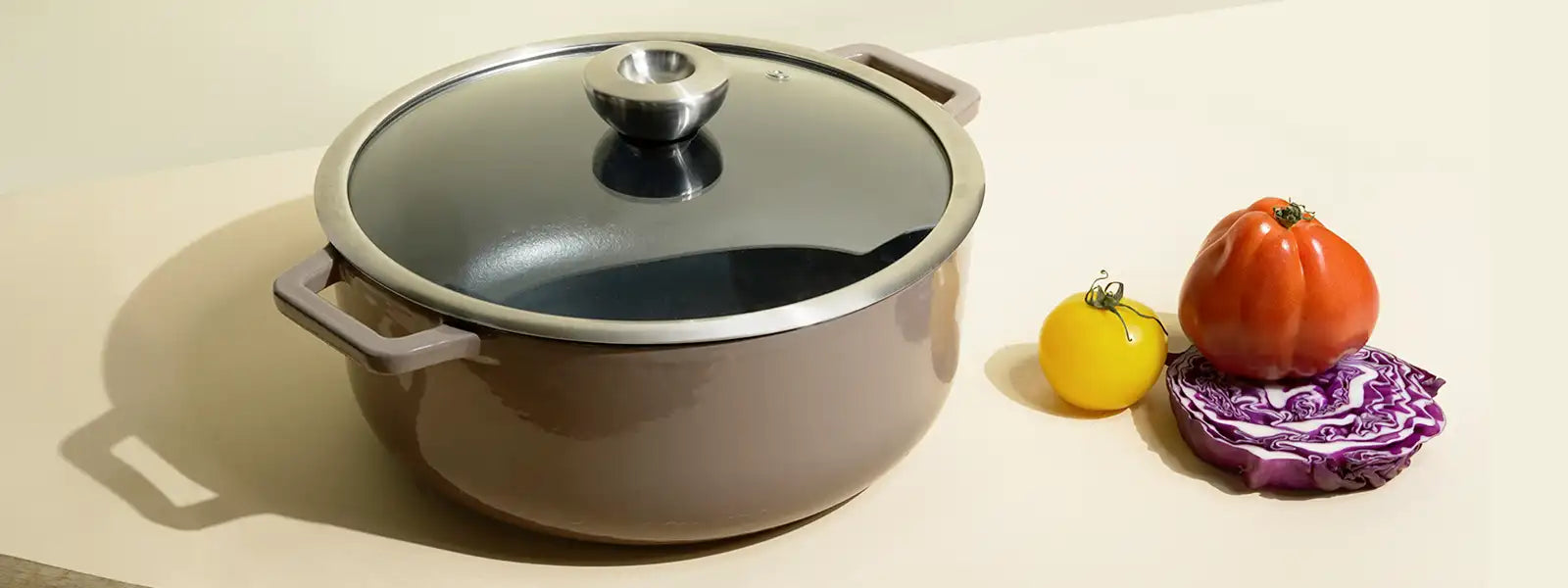
Enameled Cast Iron Vs Cast Iron. Which is better?
2 Items
How to Use a Cast Iron Tawa for Making Soft and Fluffy Chapatis
2 Items
How to Use a Cast Iron Tawa for Making Traditional Maharashtrian Thalipeeth
2 Items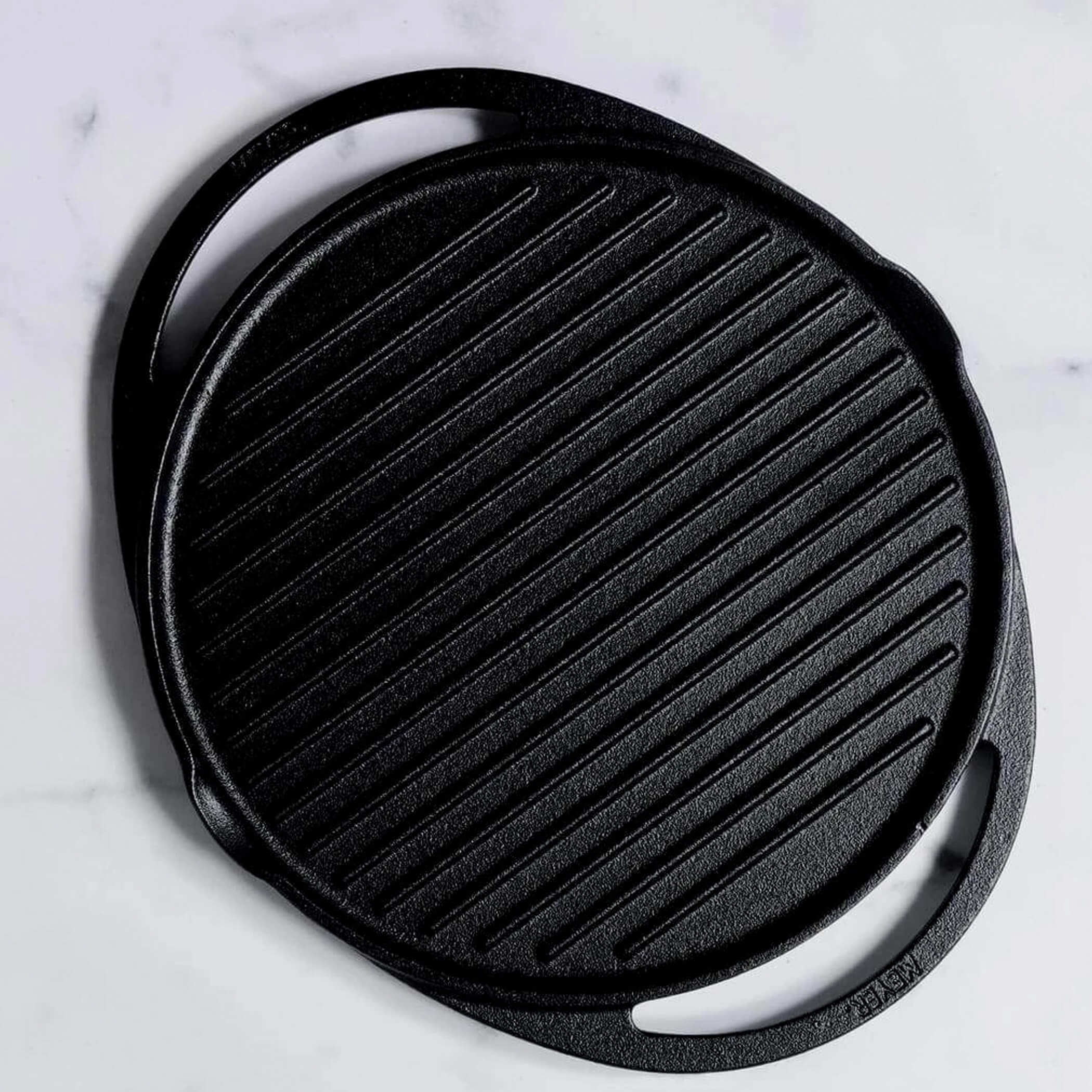


Leave a comment