



Indian snacks—from crispy pakoras and samosas to shallow-fried cutlets and crunchy tikkis—are a joyful part of every kitchen. But for an efficient, safe, and delicious snack-making experience, the cookware you choose makes a big difference. Whether you’re deep-frying, shallow-frying, or sautéing, selecting the right pans and pots ensures better texture, faster cooking, and easier cleanup.
This guide helps you pick cookware that suits common Indian snack tasks while balancing durability, safety, and performance.
Table of Contents
Understand the Types of Snacks You Plan to Cook
First, identify which kinds of snacks you make most often. This will help you choose cookware that matches your needs:
- Deep-fried snacks: Pakoras, samosas, puris, bondas
- Shallow-fried snacks: Tikkis, cutlets, dosa-like items
- Tempered or sautéed snacks: Onion bhajiyas, peanuts, or small stir-fried mixtures
- Dum or stuffed snacks: Stuffed parathas, kachoris, or steam-fried snacks
Each category places different demands on cookware—heat retention, wall depth, non-stick surface, and material type.

Key Cookware Features for Indian Snack Frying
When shopping, focus on the following characteristics that matter most for snack preparation:
a) Material That Handles High Heat
Deep frying requires a pan that can tolerate very hot oil. Materials like thick stainless steel, hard-anodized aluminium, or cast iron are preferred because they withstand high temperatures without warping.
b) Deep & Wide Vessels
For deep-fried snacks, use a vessel with high walls and a broad base to prevent splatter, provide sufficient capacity, and allow free movement of food in oil.
c) Even Heat Distribution
Even heating ensures snacks cook uniformly and do not burn. Multi-layer bases like tri-ply or clad cookware provide balanced heat transfer.
d) Non-Stick Surface (Optional but Useful)
For shallow frying or sautéing delicate batters (like dhokla batter or cutlet mix), non-stick surfaces help prevent sticking and reduce the need for excessive oil.
e) Strong Heat-Resistant Handles
Long, riveted, heat-resistant handles keep your hands safe from hot oil. Handles should be comfortable to grip and securely attached.
f) Induction & Gas Compatibility
If your kitchen uses gas and induction cooktops, make sure your cookware is compatible with both. Many modern cookware lines support dual cooktop usage.
Recommended Types of Cookware for Indian Snack Preparation
Here are the cookware types you should consider for a well-rounded snack-making setup:
A deep kadai or wok is indispensable for pakoras, samosas, and puris. A stainless steel kadai with a thick base ensures durability, and a hard-anodized wok helps maintain temperature efficiently.
-
Our recommendation: A robust stainless steel kadai or hard-anodized wok from a trusted brand will support deep frying well without overheating or damage.
- Shallow Fry Pan (Non-Stick)
For cutlets, tikkis, and shallow-fried snacks, a non-stick frypan or shallow kadai is ideal. The non-stick surface prevents food from sticking and makes flipping easier.
-
Good pick: Use a toxin-free non-stick frypan where the coating is safe and durable, and ensure the pan has a flat base for uniform cooking.
Cast iron retains heat wonderfully, which is great for tasks like shallow-frying parathas or crisping snacks slowly. Its natural seasoning makes it safer with minimal oil.
-
Why use it: Cast iron pans give superior browning and maintain consistent heat throughout the frying process.
- Tempering/Small Fry Pan
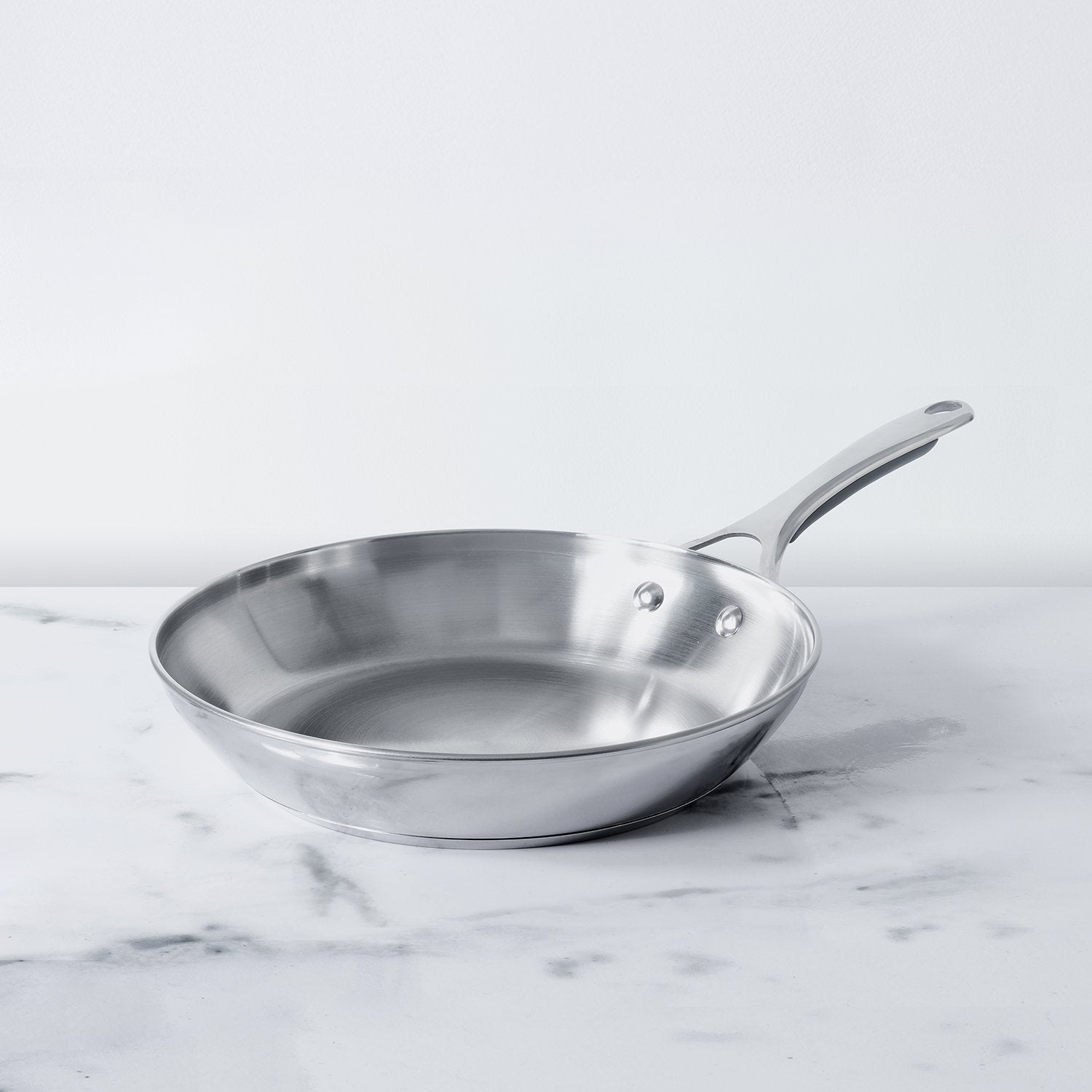
When you prepare tempering ingredients (mustard seeds, chopped chilies, cumin) or fry small snacks like peanuts or onions, a small stainless steel or hard-anodized pan works well.
Meyer Cast Iron shallow Kadai With Glass Lid ,30cm
Safety and Usability Tips
-
Temperature control: Always preheat the pan gently rather than pouring oil into a cold pan.
-
Oil level: Use a thermometer or keep oil at a safe depth (for deep-frying, about one-third to half the height of the kadai).
-
Drain properly: Use a slotted spoon or spider strainer to remove snack items and drain on paper towels.
-
Cleaning: Let cookware cool before washing to avoid warping; use mild detergent and avoid harsh scourers on non-stick surfaces.
-
Storage: Stack cookware carefully, especially heavy pans; use liners or pan protectors to preserve the surface.
Meyer Cookware `for a Snack-Friendly Kitchen
-
A tri-ply stainless steel kadai from Meyer’s stainless range is perfect for high-heat, deep-frying tasks.
-
A hard-anodized non-stick frypan from Meyer’s Accent line helps make tikkis or cutlets with minimal oil and easy cleanup.
-
A pre-seasoned cast iron pan (such as one offered by Meyer) can handle slow crisping and shallow frying, while adding durability and excellent heat retention.
Conclusion
When building a snack-focused kitchen setup, the best cookware balances safety, versatility, and high performance. By choosing a mix of deep kadais for frying, non-stick pans for shallow frying, and cast iron for heat-retaining tasks, you can tackle any Indian snack with confidence.
At the beginner stage, invest in a few robust, multipurpose cookware pieces that suit your most frequent snack recipes. Quality cookware not only makes cooking easier but also improves consistency, taste, and longevity.
Once you’ve picked the right basics, organize them smartly and maintain them well—and your kitchen will be snack-ready for any craving or occasion.
MORE FROM BLOG
Top Collections
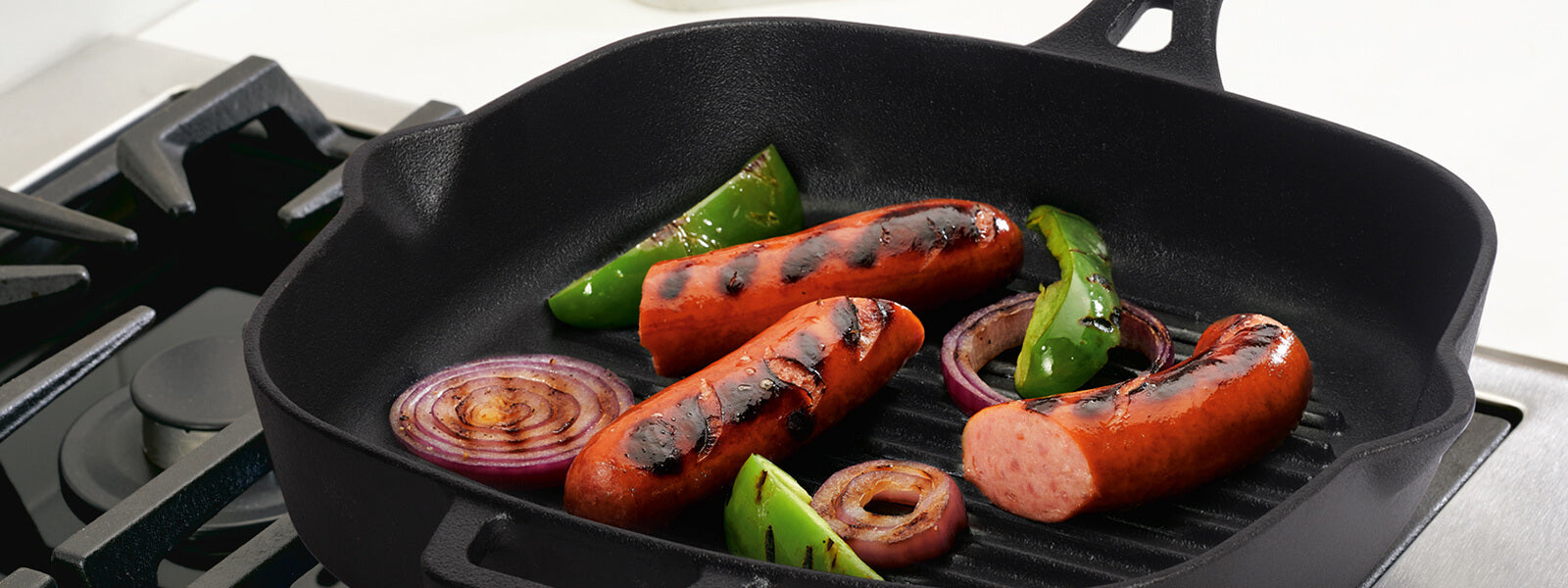
A-Z Guide To Cast Iron Cookware; Use & Utility
2 Items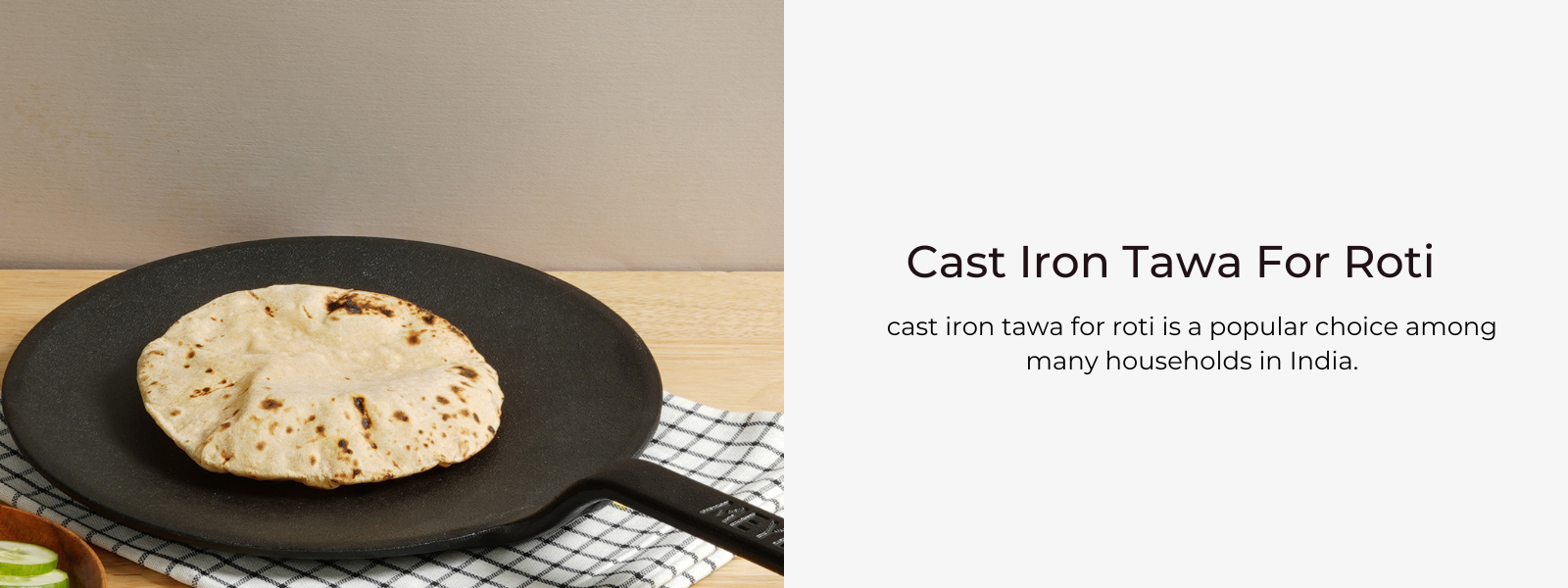
Best Cast Iron Tawa For Roti In India For Easy Cooking
2 Items
Best Non Stick Roti Tawa Price: Cookware For Everyone
2 Items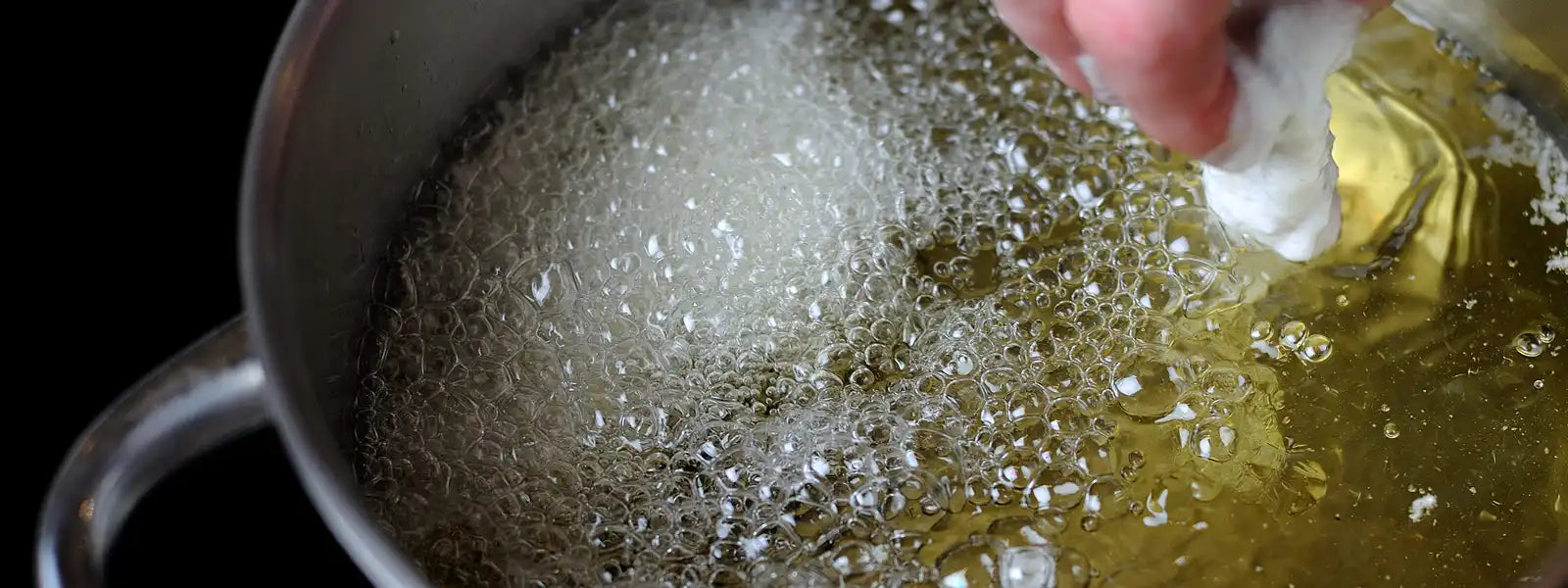
Best Stainless Steel Kadai for Deep Frying
2 Items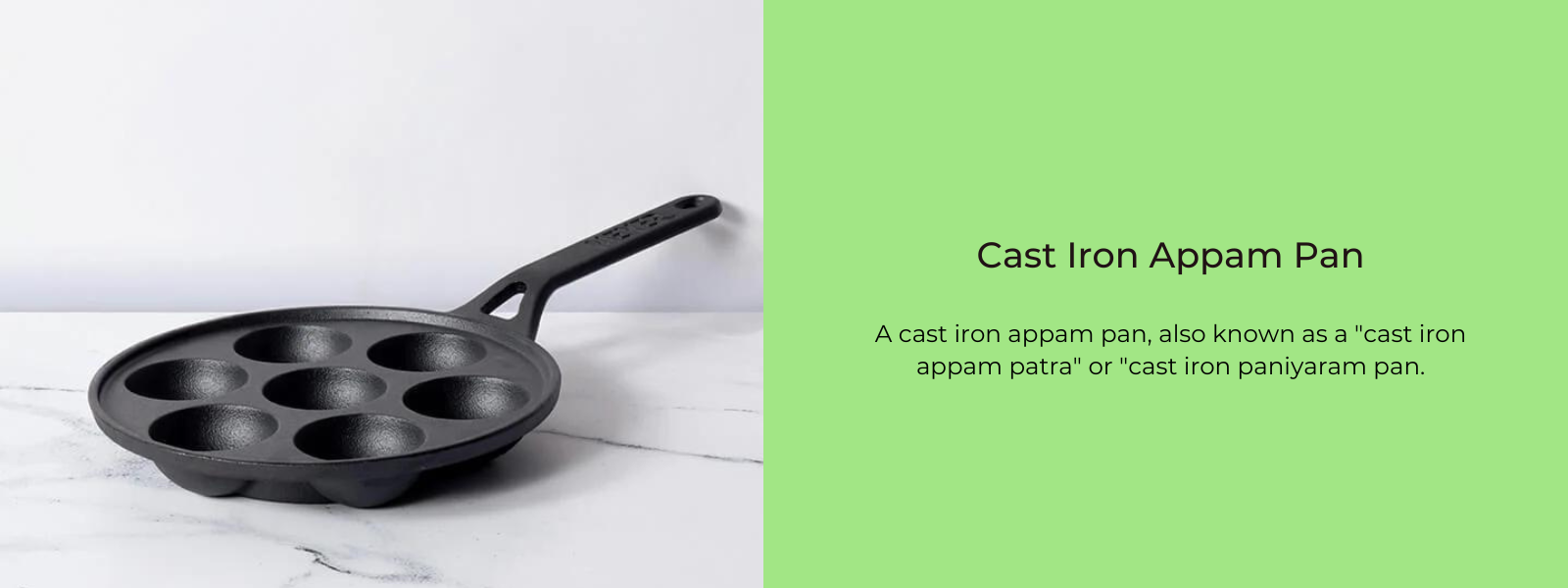
Cast Iron Appam Pan: Cookware That Lasts For Lifetime
2 Items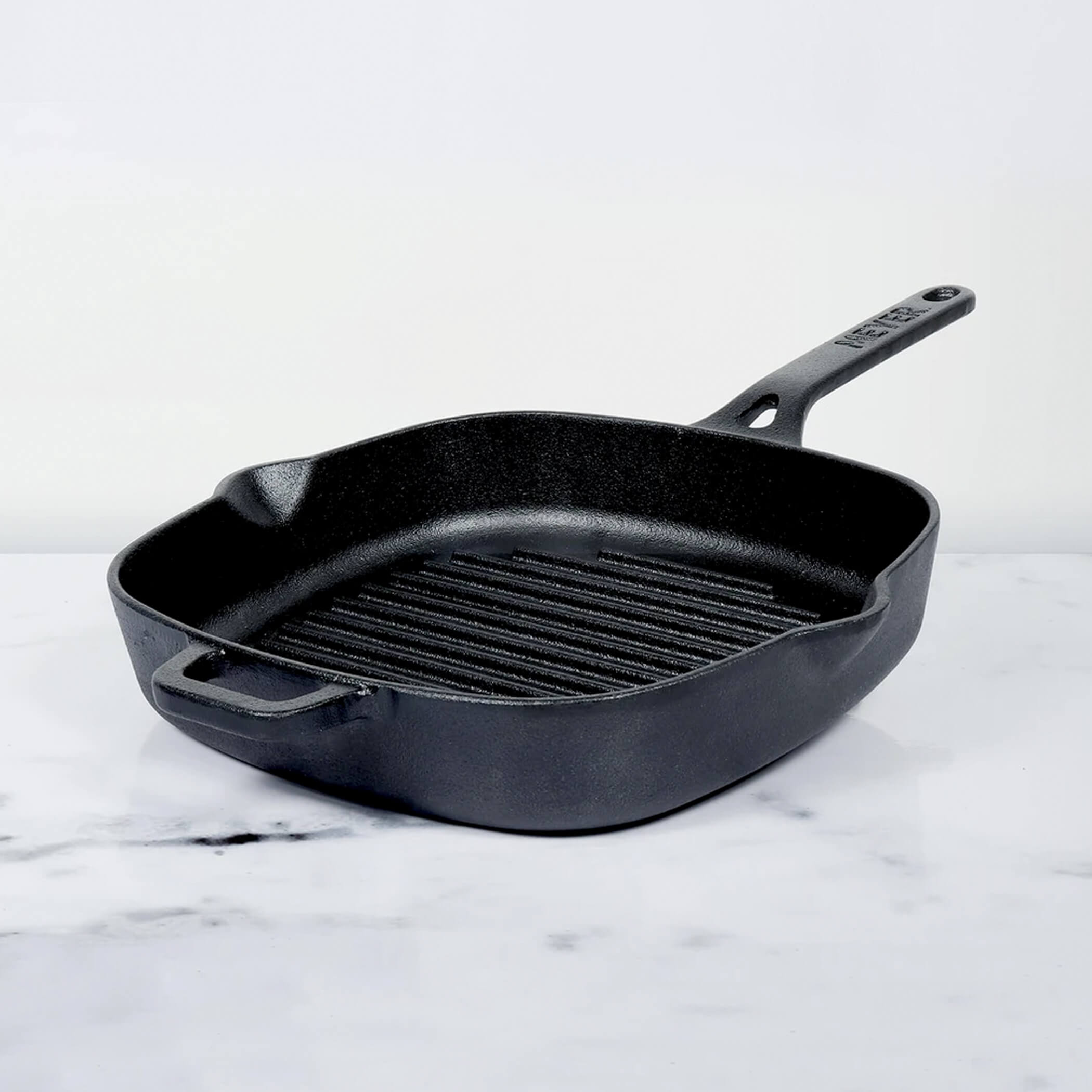


Leave a comment