



A well-seasoned cast iron pan should feel smooth, dry, and naturally non-stick. If your cast iron kadai or tawa suddenly feels sticky or tacky to the touch, it can be disappointing — especially when it was performing beautifully before.
The good news is that a sticky cast iron surface is not permanent damage. It is almost always caused by excess oil buildup or incomplete seasoning. With the right technique, you can restore your cookware to its original smooth finish and long-lasting performance.
In Indian kitchens, where cooking involves tadkas, oil-rich gravies, frying, and humid monsoon conditions, proper cast iron care becomes even more important. Let’s understand why cast iron turns sticky and how to fix it correctly.
Table of Contents
Why Does Cast Iron Become Sticky?
Sticky cast iron cookware is usually the result of seasoning imbalance. Seasoning works when oil is heated to a temperature high enough to bond with the iron surface. This bonding process, known as polymerization, creates a hard, smooth, protective layer.
When too much oil is applied during seasoning, the excess does not bond properly. Instead of forming a dry layer, it cools into a soft, tacky coating. This makes the surface feel greasy or gummy rather than smooth.
Incomplete heating can also cause stickiness. If the oil does not reach smoking point or is not heated long enough, it remains partially cured. The result is a sticky film instead of a durable finish.
Daily cooking habits can contribute as well. In Indian cooking, we frequently use mustard oil, groundnut oil, ghee, and tempering oils. If leftover oil is not wiped properly after cooking, it can accumulate over time and create a sticky buildup.
Humidity also plays a role. During monsoon season, moisture in the air slows down proper drying. If cast iron is stored with excess oil in a damp cabinet, the surface can turn tacky.
Even premium cookware like Meyer Cast Iron Cookware, which is built with heavy construction and even heat distribution, can develop stickiness if oil application and heating are not controlled properly.

How to Fix a Sticky Cast Iron Surface
The solution depends on how severe the stickiness is.
If the surface is only slightly tacky, a simple heat correction may work. Place the pan on medium flame and heat it for eight to ten minutes until light smoke appears. This extra heating often completes the polymerization process and hardens the remaining oil layer. Allow it to cool naturally before checking the surface again.
If the pan feels greasy or uneven, you may need to remove excess buildup. Warm the pan slightly and rub coarse salt across the surface using a cotton cloth. This helps lift excess oil without stripping the core seasoning. Rinse with warm water, dry immediately over low heat, and then apply a very thin layer of oil. Wipe off all visible excess and heat again until light smoke appears.
If the surface feels thick, gummy, or patchy, a reset may be necessary. Wash the pan thoroughly with warm water and a mild scrubber. A small amount of soap can be used in this corrective step. Dry the cookware completely on low heat. Then re-season it properly by applying a very thin layer of oil, wiping off all excess, and heating until light smoke forms. Let it cool naturally. One or two cycles are usually enough to restore a smooth finish.
Cookware such as Meyer Cast Iron Kadai or Tawa regains its performance quickly when seasoning is corrected properly, thanks to its balanced heat retention and durable construction.
What a Properly Seasoned Cast Iron Pan Should Feel Like
A correctly seasoned cast iron pan should feel dry and smooth to the touch. It should not feel greasy or sticky. The surface should appear dark black or deep brown with a satin or matte finish. Over time, it should release food easily and improve with regular use.
If your pan feels sticky, it simply means the oil layer needs correction. It does not mean the cookware is damaged or unusable.
How to Prevent Stickiness in the Future
Prevention is simple once you understand the fundamentals of seasoning. Always apply oil in an extremely thin layer. After oiling, wipe the surface thoroughly so it looks almost dry. Heat the pan long enough to reach smoking point so the oil bonds properly. Dry the cookware completely after washing and avoid storing it with a thick oil coating. Keep it in a dry, ventilated space, especially during humid weather.
Consistent maintenance ensures your cast iron cookware performs beautifully for years.
Why Cast Iron Is Worth the Effort
Cast iron requires slightly more care than chemical non-stick cookware, but the rewards are long-term. It offers excellent heat retention, even heat distribution, and a naturally developing non-stick surface without synthetic coatings. It is durable, sustainable, and can last for decades.
High-quality options like Meyer Cast Iron Cookware are crafted to handle the intensity of Indian cooking styles, from high-heat searing to deep frying and slow simmering.
Final Thoughts
A sticky cast iron pan is usually the result of excess oil or incomplete heating during seasoning. Fortunately, it is one of the easiest cast iron problems to fix. With proper oil control, sufficient heating, and mindful storage, your cookware will return to a smooth, naturally non-stick surface.
Once corrected, your cast iron kadai or tawa will continue to improve with every use, delivering reliable performance for everyday Indian cooking and beyond.
MORE FROM BLOG
Top Collections
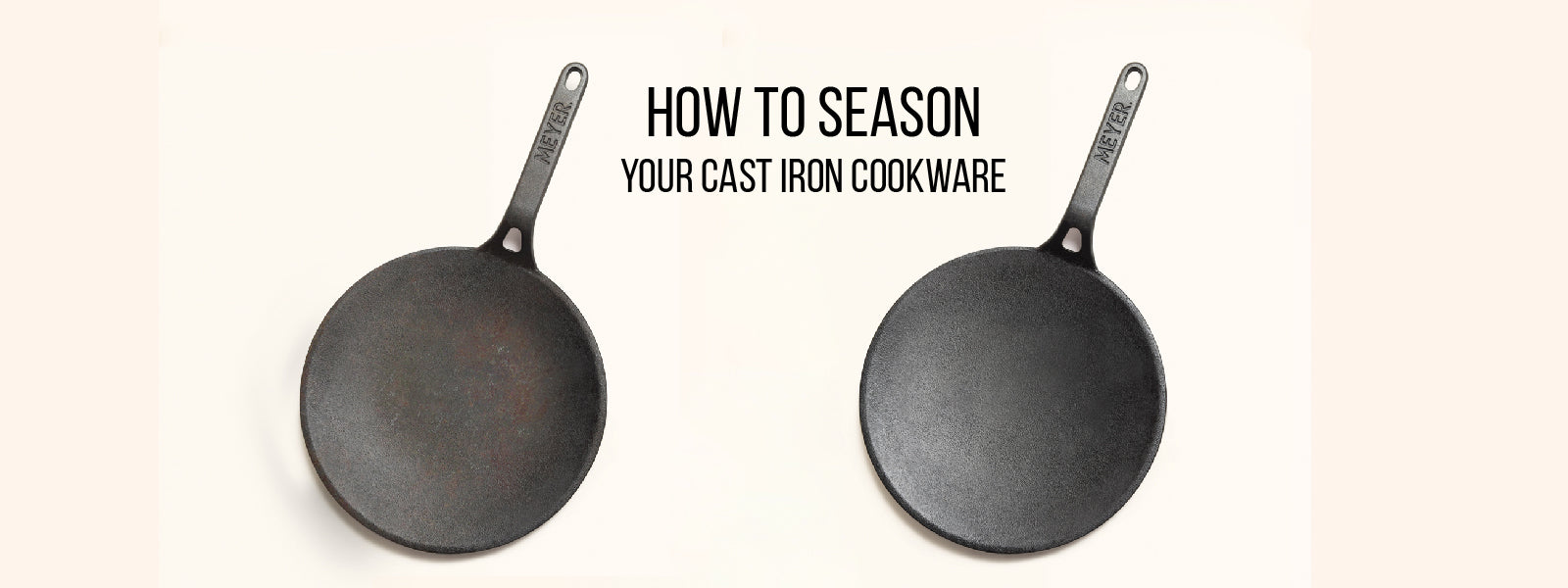
How To Season Cast Iron Cookware?
2 Items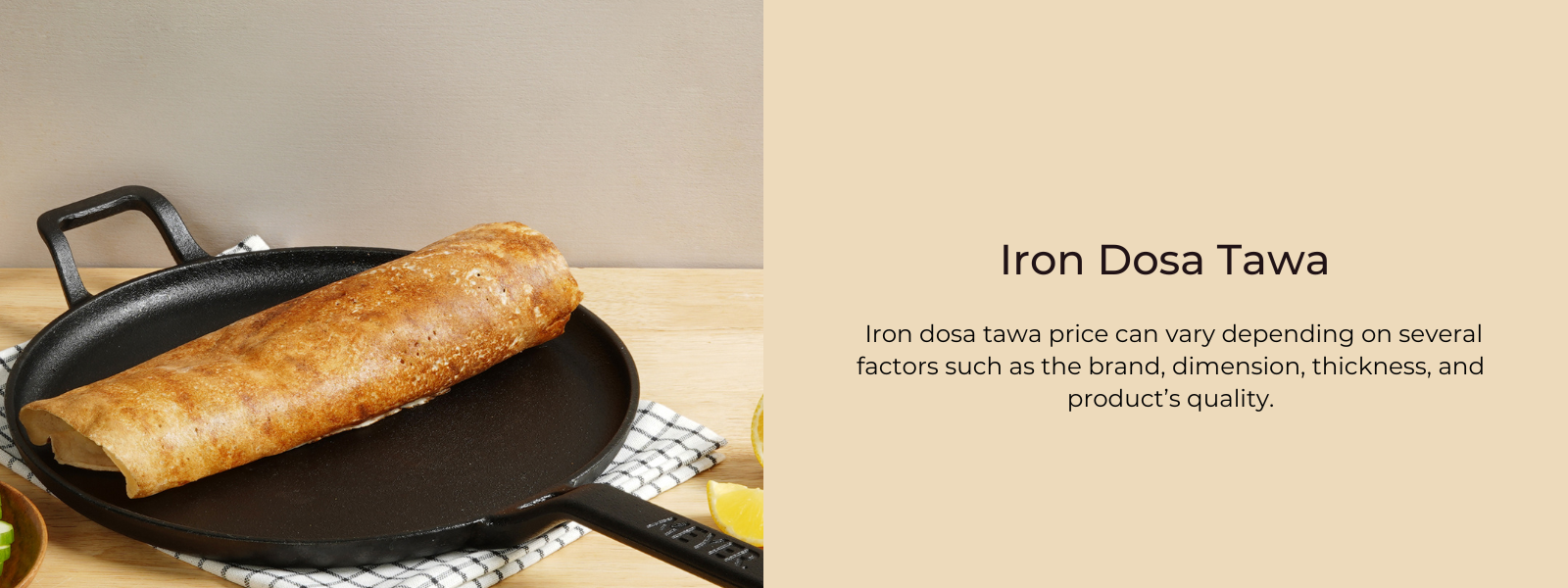
Best Iron Dosa Tawa Price: Pre-seasoned Cast Iron Tawa at a Special Rate
2 Items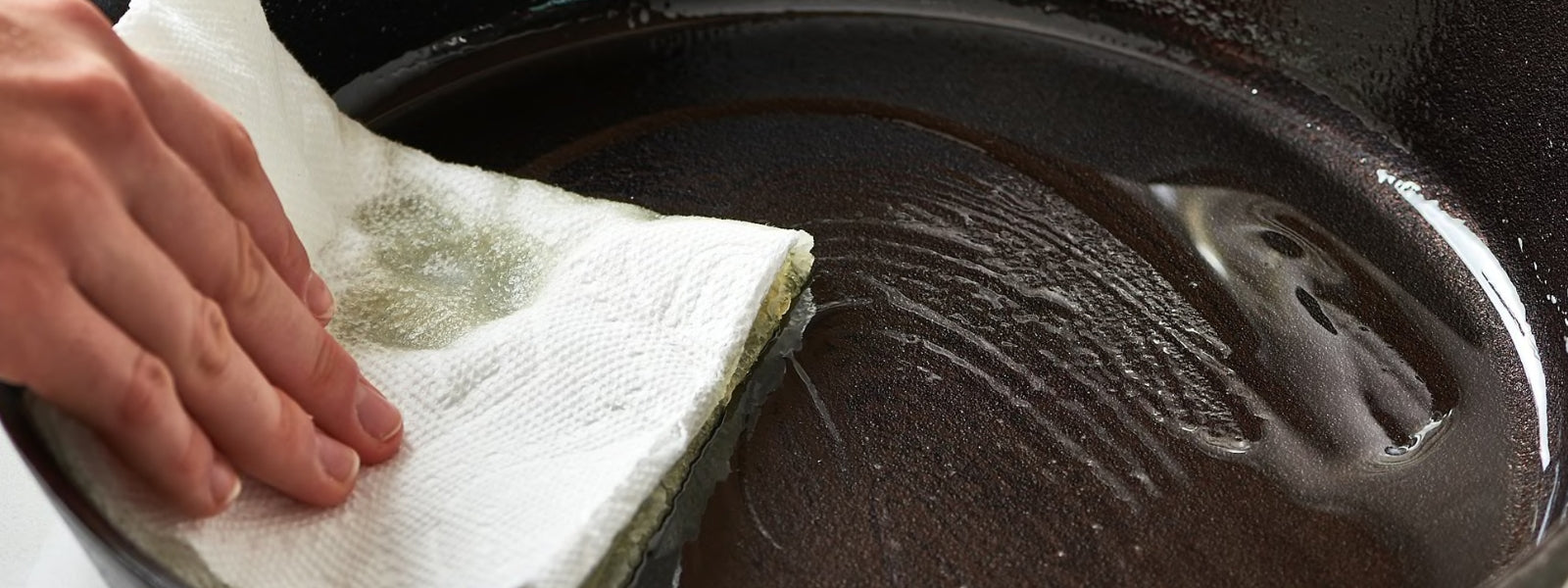
Cast Iron Skillet Seasoning Guide | Various ways for cast iron skillet seasoning
2 Items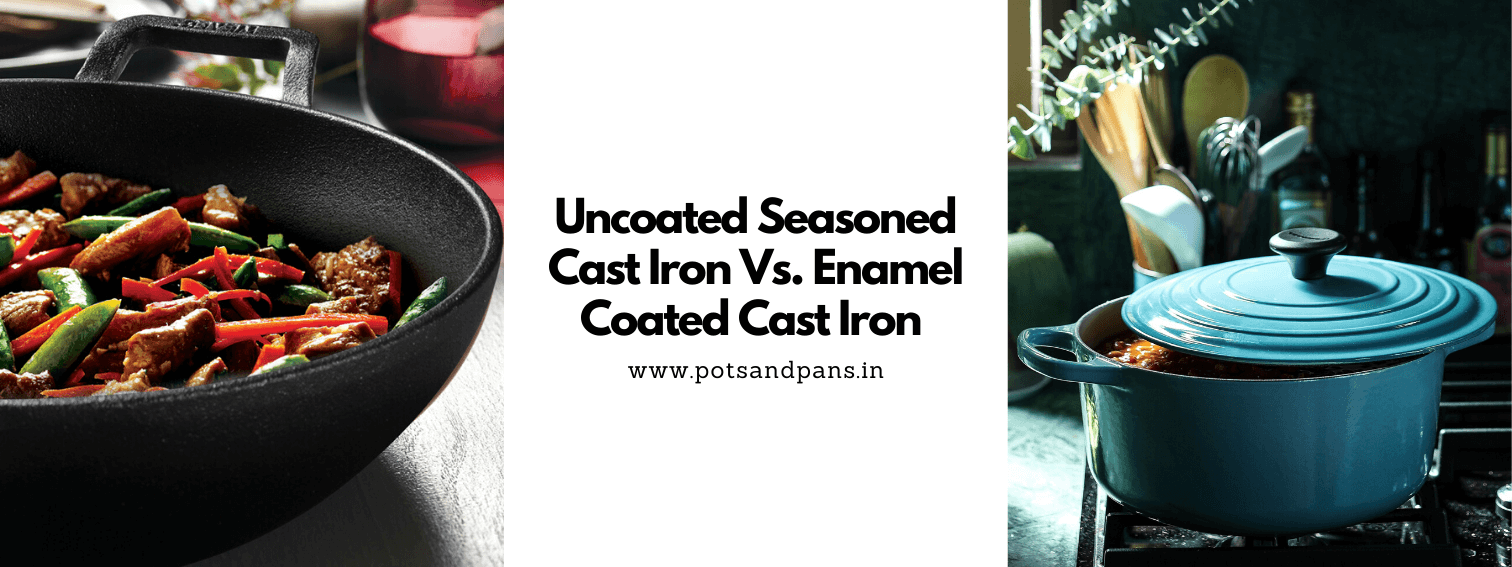
Enamel Coated Cast Iron vs Uncoated Seasoned Cast Iron
2 Items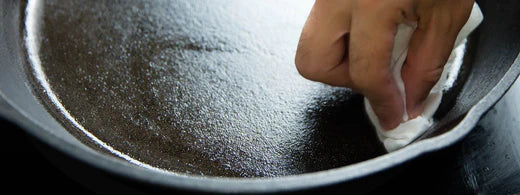
How to wash, season, and maintain Cast Iron Cookware?
2 Items


Leave a comment