



Stains on cookware are a natural outcome of regular cooking—especially in Indian kitchens where high heat, oil, spices, and repeated use are part of everyday meals. Over time, even the best stainless steel and aluminium cookware can develop stubborn burnt marks, discoloration, white spots, or greasy residue that doesn’t go away with regular washing.
The good news is that most of these stains are surface-level and can be removed with the right techniques. You don’t need harsh chemicals or expensive cleaners—simple kitchen ingredients, when used correctly, can restore your cookware’s appearance and performance.
Table of Contents
- 1. Why Do Stains Form on Cookware?
- 2. How to Remove Stains from Stainless Steel Cookware
- 3. Removing Burnt Food and Carbon Deposits
- 4. Removing White Spots and Mineral Deposits
- 5. Removing Rainbow or Heat Discoloration
- 6. Removing Sticky Oil Residue
- 7. How to Remove Stains from Aluminium Cookware
- 8. Removing Dark Stains and Discoloration
- 9. Removing Burnt Food Residue
- 10. Removing Oxidation and Dullness
- 11. Important Cleaning Differences Between Steel and Aluminium
- 12. Preventing Future Stains
- 13. Common Mistakes to Avoid
- 14. When Stains Are Permanent
- 15. Does Cookware Quality Make a Difference?
- 16. Final Thoughts
Why Do Stains Form on Cookware?
Understanding the cause of stains helps you treat them more effectively.
Cookware stains typically occur due to:
-
High heat causing oil and food particles to carbonize
-
Minerals in water leaving behind white or chalky deposits
-
Reaction between acidic foods and metal surfaces
-
Oil buildup from repeated cooking without deep cleaning
-
Overheating empty pans, leading to discoloration
Stainless steel and aluminium respond differently to these factors, so cleaning methods must be tailored accordingly.
Stainless steel is highly durable, non-reactive, and relatively easy to clean. However, it can still develop stubborn stains over time. Burnt food is one of the most common issues. To remove it: Fill the pan with water Bring it to a boil for a few minutes Use a wooden or silicone spatula to gently loosen residue For tougher stains: Add a tablespoon of baking soda to the boiling water Let it simmer for a few more minutes Allow it to cool slightly before scrubbing with a soft sponge This method helps lift carbonized food without scratching the surface. White or cloudy spots are usually caused by hard water. To remove them: Add a small amount of vinegar to the pan Heat gently for a few minutes Rinse and dry thoroughly Vinegar dissolves mineral buildup and restores clarity to the surface. A bluish or rainbow tint often appears when stainless steel is overheated. This discoloration is harmless but can affect appearance. To remove it: Apply a mixture of vinegar and water Wipe with a soft cloth Rinse and dry The mild acidity helps restore the original finish. If your cookware feels greasy even after washing: Sprinkle baking soda over the surface Add a few drops of water to create a paste Gently scrub with a soft sponge Rinse thoroughly This removes oil buildup without damaging the steel. Aluminium is more reactive and softer than stainless steel, so it requires a gentler approach. Aluminium can darken due to oxidation or reaction with certain foods. To clean: Boil water with lemon juice or vinegar in the pan Let it simmer for 5–10 minutes Allow it to cool, then rinse and dry The mild acid helps lift stains and restore brightness. For burnt residue: Fill the pan with water Add a spoonful of baking soda Bring to a boil and let it simmer Gently scrub after cooling Avoid aggressive scrubbing, as aluminium scratches easily. Over time, aluminium may develop a chalky, dull layer. To restore it: Use a vinegar and water solution Wipe gently with a soft cloth Rinse and dry immediately This helps remove oxidation and improve appearance. Stainless steel can handle more vigorous cleaning; aluminium cannot Aluminium reacts more easily to acids, so exposure should be controlled Steel wool may be used cautiously on stainless steel but should be avoided on aluminium Aluminium scratches easily, so always use soft cleaning tools Understanding these differences prevents accidental damage during cleaning. Prevention is just as important as cleaning. To reduce staining: Avoid overheating empty pans Add oil before heating to prevent burning Clean cookware soon after use Avoid leaving salty or acidic food in the pan for long periods Dry cookware immediately after washing Use filtered water if hard water stains are common Consistent care reduces the need for deep cleaning. Many cleaning mistakes can worsen stains or damage cookware: Using harsh chemical cleaners unnecessarily Scrubbing aggressively with metal tools Leaving cookware soaked for long periods Ignoring stains until they become stubborn Using the same cleaning method for all materials Gentle, timely cleaning is always more effective than aggressive methods. Some discoloration, especially from repeated high heat, may not completely disappear. However, this is usually cosmetic and does not affect cooking performance. If your cookware heats evenly and functions well, it is still perfectly usable. Yes, significantly. High-quality cookware is designed to resist staining and make cleaning easier. Well-crafted products from brands like Meyer often feature better-grade materials and finishes that reduce sticking, staining, and buildup. This not only improves cooking results but also simplifies maintenance over time. Stains on stainless steel and aluminium cookware are a normal part of cooking, but they don’t have to be permanent. With the right techniques and consistent care, you can restore your cookware’s appearance and maintain its performance for years. More importantly, clean cookware ensures better heat distribution, improved hygiene, and a more enjoyable cooking experience. A little extra effort in maintenance goes a long way in preserving the tools you rely on every day in your kitchen. 
How to Remove Stains from Stainless Steel Cookware
Removing Burnt Food and Carbon Deposits
Removing White Spots and Mineral Deposits
Removing Rainbow or Heat Discoloration
Removing Sticky Oil Residue
How to Remove Stains from Aluminium Cookware
Removing Dark Stains and Discoloration
Removing Burnt Food Residue
Removing Oxidation and Dullness
Important Cleaning Differences Between Steel and Aluminium
Preventing Future Stains
Common Mistakes to Avoid
When Stains Are Permanent
Does Cookware Quality Make a Difference?
Final Thoughts
MORE FROM BLOG
Top Collections

26 cm Triply Tope – The Best Cookware for Festive Cooking
2 Items
Can Stainless Steel Cookware Last for Decades?
2 Items
How Does Stainless Steel Cookware Handle High Heat in Indian Cooking?
2 Items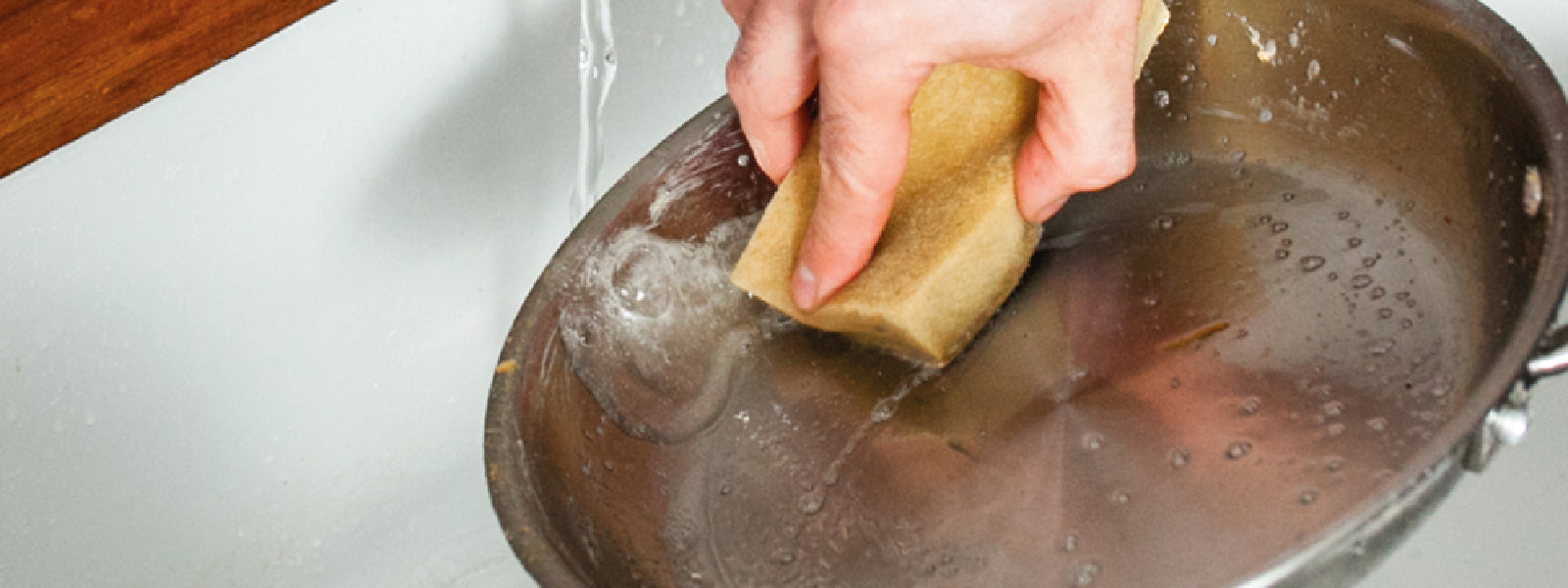
How not to cook with stainless steel cookware
2 Items
How Steel Cookware has replaced Aluminium Cookware in India 2022
2 Items


Leave a comment