



In most Indian households today, kitchens run on both gas stoves and induction cooktops. Gas is chosen for flavourful, high-heat Indian cooking, while induction provides speed, convenience, and energy efficiency. However, not all cookware functions well on both, and choosing the wrong piece can lead to slow cooking, uneven heating, or even improper induction activation.
This detailed guide explains what features truly matter, how to identify dual-compatible cookware, and which types of cookware naturally perform well across both heat sources—all while keeping your kitchen future-ready and efficient.
Table of Contents
Why Dual-Compatible Cookware Matters in Indian Homes
Indian cooking often involves boiling dals, slow-simmering curries, sautéing vegetables, making chapatis, deep-frying snacks, and cooking three meals a day. Using cookware designed for both gas and induction ensures:
-
Smooth switching between heat sources
-
Even heat distribution for Indian recipes
-
Flexibility during power cuts or gas shortages
-
Long-term savings because one set does everything
-
Faster, more efficient meal prep
As more households move toward modular and energy-efficient kitchens, choosing the right cookware becomes essential.

Key Features to Look for When Selecting Cookware for Gas + Induction
Look for a Magnetic or Induction-Ready Base
Induction cooktops require a magnetic metal base to generate heat. A simple magnet test on the bottom of your cookware can confirm whether it will work on induction.
Many high-quality stainless steel utensils—like those found in Meyer’s stainless steel and tri-ply series—feature a magnetic base so they heat swiftly on induction while still tolerating high flame on gas.
Choose Cookware With a Thick, Flat, Warp-Resistant Bottom
Gas flames require sturdy thickness, while induction flat tops need a perfectly even surface. A warped bottom lowers efficiency, prevents proper induction contact and causes uneven cooking.
Cookware ranges made with thick-gauge stainless steel or hard anodized material, such as several pieces from the Meyer Accent and Select collections, are engineered to stay flat and stable over years of daily use.
Consider Tri-Ply and Multi-Layer Construction
Tri-ply cookware contains three metal layers—usually stainless steel with an aluminium core—which ensures:
- Even heat distribution on gas
- Faster heating on induction
- No hot spots during stir-frying or slow cooking
- Long-term durability
Meyer’s tri-ply cookware line follows this multi-metal structure and is especially reliable for Indian gravies, dal, biryanis, and everyday meals.
Prioritise Strong, Heat-Resistant Handles
Gas flames rise around the sides of cookware, so handles must withstand high heat. On induction, the vessel heats rapidly, so comfort and grip become essential.
Many modern cookware designs—including Meyer Kitchen Hacks and accent pieces—use heat-resistant or “always cool” handles that remain safe in both modes of cooking.
Check for Compatibility Markings
Genuine dual-compatible cookware will always carry an induction symbol or the words “induction friendly” stamped on the base or packaging. This verifies magnetic construction and proper engineering for both cooktops.
Most Meyer cookware, including stainless steel, kitchen hacks frypans, kadais, and saucepots, clearly displays this marking for easy selection.
Meyer Disney Bon Voyage Enameled Cast Iron Casserole with Lid.
Best Types of Cookware for Both Gas and Induction Stoves
Below are the cookware categories that naturally perform well on both heat sources, along with examples where Meyer products fit in seamlessly.
Ideal for gravies, dal, boiling, sautéing and everyday meals.
It is naturally induction-friendly when made with magnetic-grade steel.
Meyer Select Stainless Steel and Meyer Centennial cookware ranges offer this build, combining safe materials with consistent performance.
Perfect for heavy Indian cooking—slow simmering, frying, bhuna, and halwa preparation.
Tri-ply distributes heat uniformly on both gas and induction.
Meyer Tri-Ply cookware aligns with this structure, making it a dependable choice for all three daily meals.
Non-Stick Cookware With Induction Bases
Non-stick vessels are excellent for low-oil cooking, breakfast dishes, dosas, and kids’ meals.
The key is choosing non-stick pans designed with a stainless steel induction-compatible base.
Products like the Meyer Kitchen Hacks Frypan Set combine FDA-approved non-stick surfaces with stainless steel bases suitable for both stoves.
Kadais and Woks With Magnetic Bottoms
Kadai cooking is central to Indian cuisine—deep-frying, sabzi preparation, tadka, biryani and more.
Deep vessels with induction plates at the bottom ensure powerful heating no matter the cooktop.
The Meyer Kitchen Hacks Kadai Set and select hard-anodized kadais from other Meyer ranges offer the right balance of depth, thickness, and induction-friendly design.
These are essential for family meals, dal, biryani, curries, broth, soups, and festive cooking.
Dual-compatible casserole pots with thick bases retain heat well and ensure even simmering.
The Meyer Kitchen Hacks Casserole/Biryani Set is built exactly for this—stable on gas, fast on induction.
How to Maintain Dual-Compatible Cookware
To ensure long life and consistent performance:
- Keep the bottoms clean for proper induction sensing
- Avoid overheating empty cookware on gas or induction
- Do not drag cookware across the induction glass
- Use mild cleansers to protect coatings and finishes
- Always cool the vessel before washing to avoid warping
Proper care preserves the magnetic base and structural integrity.
Conclusion
Selecting cookware that works efficiently on both gas and induction stoves is essential for modern Indian kitchens. By focusing on magnetic compatibility, sturdy construction, tri-ply layering, thickness, and safe handles, you can build a cookware set that lasts for years and adapts to any cooking style.
Subtle, high-performance ranges like Meyer Stainless Steel, Tri-Ply, Accent Series, and Kitchen Hacks are excellent examples of cookware engineered to deliver strong results on both cooktops—without compromising flavour, safety, or speed.
MORE FROM BLOG
Top Collections
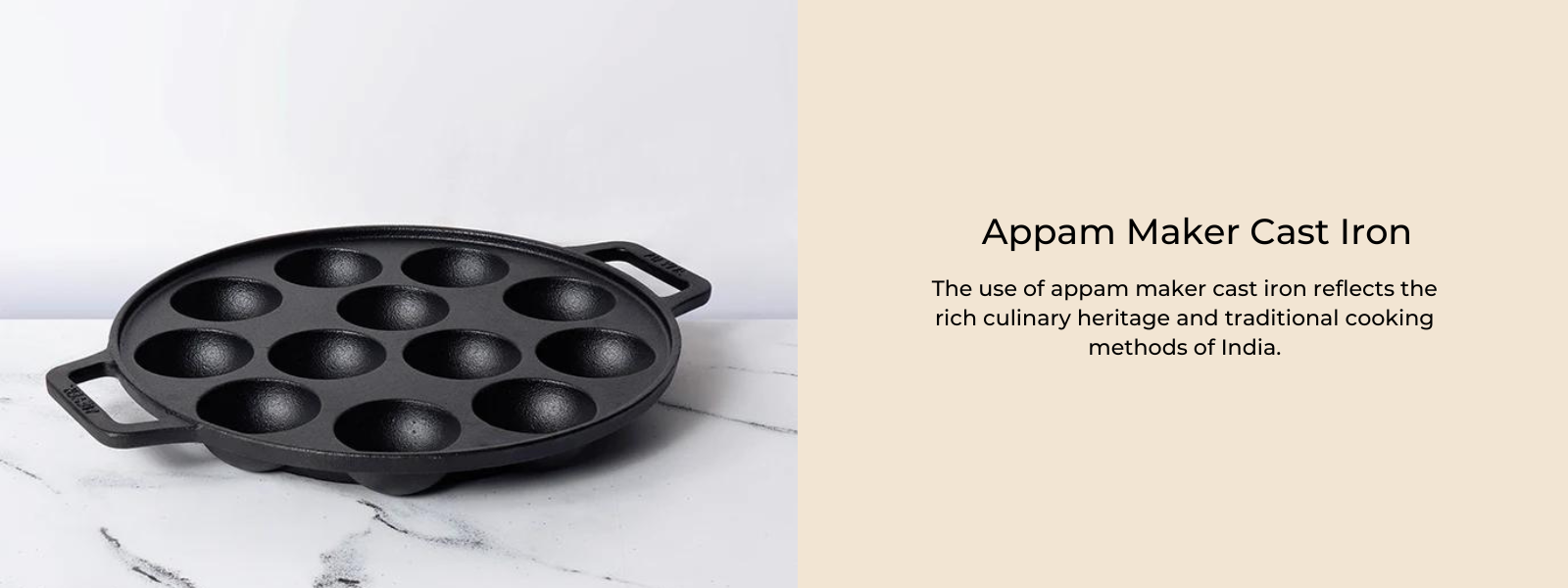
Appam Maker Cast Iron: Symbol Of Culinary Heritage
2 Items
Best Handi Pressure Cookers for Traditional Cooking
2 Items
Induction Base Dosa Tawa For Effective Cooking
2 Items
Induction Griddle Pan For Comfort And Convenience
2 Items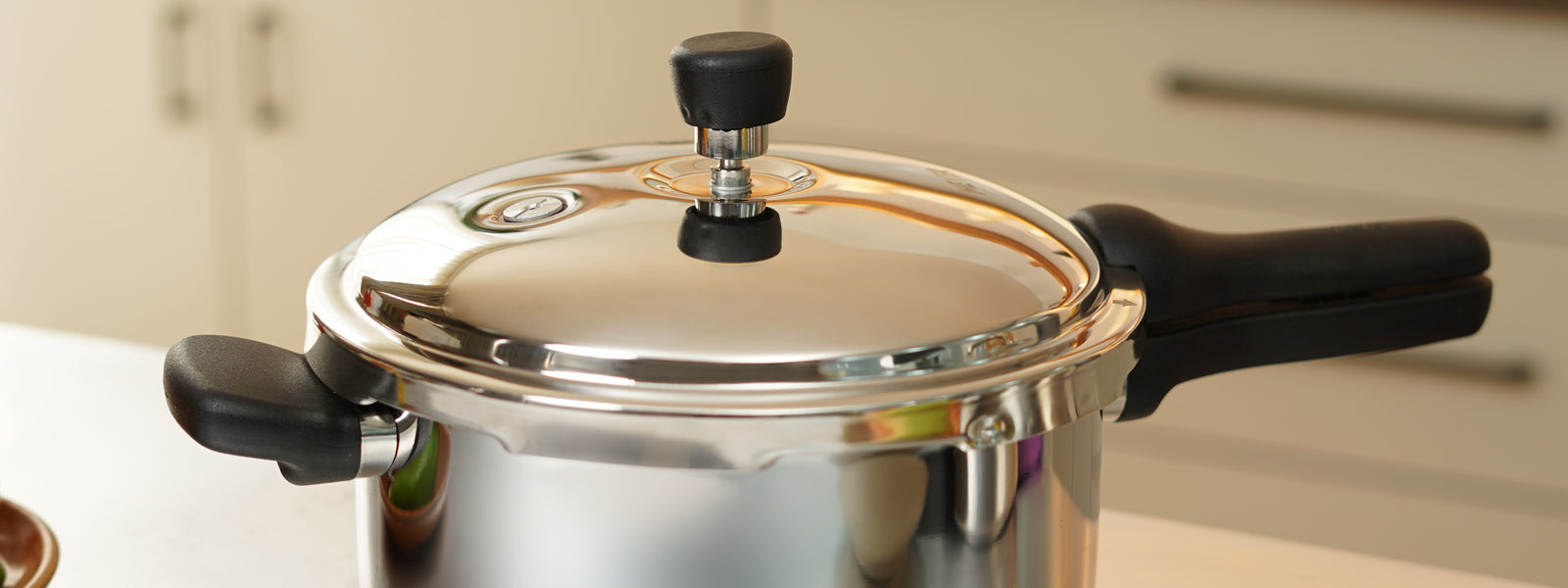
Induction Pressure Cookers: What You Need to Know
2 Items


Leave a comment