



In an Indian kitchen, cookware is not used occasionally—it is used every single day. Morning sabzi, afternoon dal, evening reheated leftovers, weekend special curries—our vessels go through constant heat, stirring, washing, and reuse. That is why choosing the right cookware for daily cooking is not just about convenience, but about health, durability, and consistency.
With the growing popularity of nonstick cookware, many home cooks have started questioning whether stainless steel is still relevant for everyday sabzi and dal. Concerns about food sticking, oil usage, or burning at the bottom often create hesitation.
However, stainless steel cookware has been part of Indian kitchens for decades for a reason. When used correctly, it remains one of the most reliable, safe, and versatile materials for daily Indian cooking. The key lies not in avoiding stainless steel, but in understanding how it works.
Table of Contents
- 1. The Traditional Role of Stainless Steel in Indian Cooking
- 2. How Stainless Steel Performs for Everyday Sabzi
- 3. Using Stainless Steel for Dal: A Natural Fit
- 4. Health and Safety: Why Stainless Steel Is Ideal for Daily Use
- 5. Addressing the Biggest Concern: Sticking in Stainless Steel
- 6. Oil Usage
- 7. Why Cookware Quality Matters for Daily Cooking
- 8. When Stainless Steel May Not Be the Best Choice
- 9. Stainless Steel vs Nonstick for Everyday Sabzi and Dal
- 10. The Meyer Philosophy
- 11. Final Verdict
The Traditional Role of Stainless Steel in Indian Cooking
Long before coated cookware entered Indian homes, stainless steel was already doing the heavy lifting. Pressure cookers for dal, patilas for sabzi, large vessels for boiling lentils and vegetables—all relied on stainless steel because it could withstand long cooking hours, repeated heating, and frequent washing.
Indian cooking involves tempering spices, simmering dals, adding acidic ingredients like tomatoes and tamarind, and reheating food multiple times. Stainless steel is naturally suited to this style because it is non-reactive, stable at high temperatures, and resistant to wear.
The trust that stainless steel enjoys is not accidental—it has been earned through decades of everyday use.

How Stainless Steel Performs for Everyday Sabzi
Sabzi preparation is one of the most frequent cooking tasks in an Indian household.
Almost every vegetable dish begins with heating oil, adding spices, sautéing onions, and then cooking vegetables with controlled moisture. Stainless steel cookware supports this entire process exceptionally well.
One of the biggest advantages of stainless steel is heat responsiveness. It heats up steadily and responds quickly when you lower or raise the flame. This allows better control while sautéing onions and spices—an essential step that determines the final flavour of a sabzi. Unlike some coated cookware that traps steam, stainless steel allows moisture to evaporate naturally, preventing vegetables from becoming soggy.
Another key benefit is browning. Stainless steel encourages proper caramelisation of onions and vegetables, which builds deeper flavour. This is especially noticeable in everyday sabzis like aloo gobhi, bhindi, cabbage, or mixed vegetables. The result is a more robust, home-style taste that many cooks miss when using nonstick cookware.
Meyer Select Stainless Steel Frypan 28cm
Using Stainless Steel for Dal: A Natural Fit
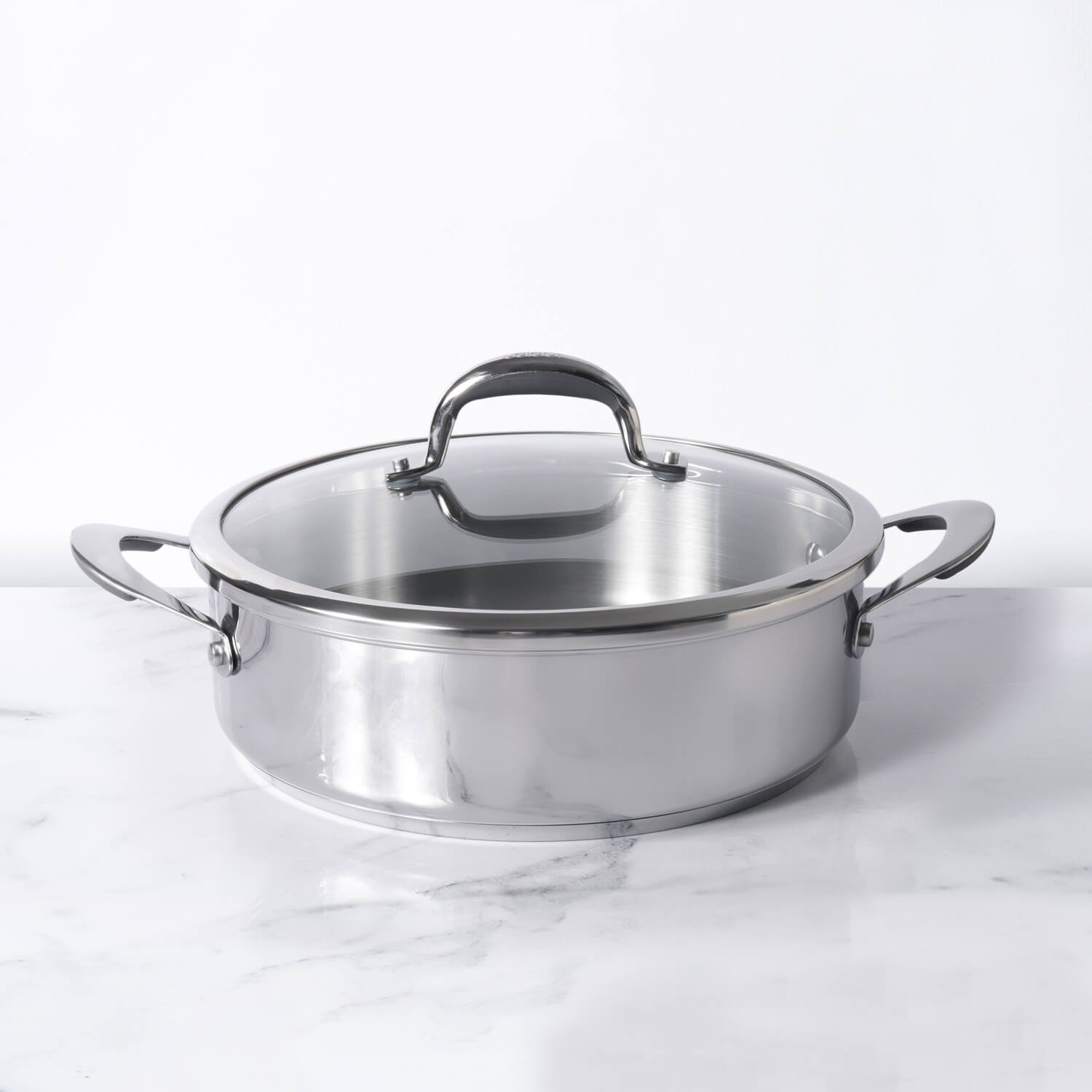
Dal cooking demands patience and consistency. Lentils need to boil evenly, soften gradually, and then simmer without sticking or scorching at the bottom. Stainless steel cookware—especially thick-gauge saucepans and pressure cookers—handles this beautifully.
Because stainless steel distributes heat evenly when well constructed, it reduces the risk of hot spots that cause dal to burn at the base. This makes it ideal for dals that require longer cooking times, such as chana dal, rajma, or chole. It is also well suited for repeated reheating, something that is very common with dal.
Tadka is another reason stainless steel works so well. Tempering spices requires high heat and hot oil. Stainless steel can safely handle this temperature without degrading, releasing fumes, or damaging the cooking surface. Many cooks find they have better control over tadka timing and aroma when using stainless steel vessels.
Health and Safety: Why Stainless Steel Is Ideal for Daily Use
When cookware is used daily, safety becomes more important than short-term convenience. Stainless steel cookware is completely free from chemical coatings, which means there is no risk of peeling, flaking, or chemical release over time.
This makes stainless steel especially suitable for families cooking daily meals for children and elders. It remains stable at high temperatures, does not react with acidic ingredients, and does not alter the taste or nutritional profile of food.
Premium cookware brands like Meyer further enhance this safety by offering food-grade and nickel-free stainless steel options, designed for long-term everyday use. This focus on material quality ensures peace of mind along with performance.
Addressing the Biggest Concern: Sticking in Stainless Steel
The most common complaint about stainless steel cookware is food sticking to the surface. However, this is not because stainless steel is unsuitable—it is because it demands correct technique.
Stainless steel needs to be preheated properly before oil is added. When the pan reaches the right temperature, the microscopic pores on its surface close temporarily, reducing friction. Adding oil at this stage creates a protective layer between the food and the pan.
Food also needs time. When vegetables or proteins are added too early and stirred immediately, they stick. When allowed to cook undisturbed for a short while, they naturally release from the surface. This is particularly important for sabzi ingredients like potatoes, paneer, or mushrooms.
Once this rhythm is understood, sticking becomes rare and manageable.
Oil Usage: Does Stainless Steel Require More Oil?
There is a misconception that stainless steel requires excessive oil. In reality, it requires correct oil timing, not more oil.
When oil is added to a properly heated pan, it spreads evenly and coats the surface efficiently. This often results in better browning with less oil than expected. Over time, many cooks realise they actually use less oil in stainless steel cookware compared to nonstick pans, where food often steams instead of browns.
This makes stainless steel suitable even for health-conscious households trying to reduce oil consumption in daily sabzi and dal.
Why Cookware Quality Matters for Daily Cooking
Not all stainless steel cookware performs equally. Thin, lightweight pans tend to develop hot spots, leading to uneven cooking and sticking. For everyday Indian cooking, heavier cookware with better heat distribution makes a significant difference.
High-quality stainless steel cookware—such as Meyer Select and Meyer Trivantage—is designed to distribute heat evenly across the cooking surface. This consistency is especially important when preparing sabzi and dal daily, as it reduces burning, improves texture, and makes cooking more predictable.
Investing in well-constructed cookware saves effort in the long run and improves daily cooking comfort.
When Stainless Steel May Not Be the Best Choice
While stainless steel excels at everyday sabzi and dal, there are certain dishes where other cookware may be more convenient. Very delicate items like paper-thin dosas or eggs cooked with no oil can be easier on nonstick or well-seasoned cast iron.
Most Indian kitchens naturally evolve toward a balanced cookware setup—using stainless steel for daily meals and specialised cookware for specific dishes. This approach combines health, durability, and ease.
Stainless Steel vs Nonstick for Everyday Sabzi and Dal
Nonstick cookware may feel effortless initially, but over time, coatings wear out—especially with daily use. Scratches, peeling, and reduced performance often lead to frequent replacement.
Stainless steel, on the other hand, improves with familiarity. It does not degrade, does not lose effectiveness, and can last for decades. For households cooking sabzi and dal every day, stainless steel proves to be the more sustainable and dependable choice.
The Meyer Philosophy: Built for Everyday Indian Cooking
At Meyer, stainless steel cookware is designed keeping real Indian kitchens in mind—daily sabzi, regular dal, repeated heating, and family-sized cooking. The focus is on even heat distribution, food-safe materials, and long-term durability.
By combining thoughtful engineering with premium stainless steel, Meyer cookware supports confident everyday cooking without shortcuts or compromises.
Final Verdict: Is Stainless Steel Cookware Good for Everyday Sabzi and Dal?
Yes—without doubt.
Stainless steel cookware is not just suitable for everyday sabzi and dal; it is one of the best choices for Indian households that cook daily. It offers safety, flavour development, durability, and control—qualities that matter far more than momentary convenience.
Once you understand how stainless steel responds to heat and timing, it becomes a dependable companion in the kitchen. From morning sabzi to evening dal, it supports consistent, healthy cooking day after day.
For families who value long-term health, performance, and reliability, stainless steel cookware—especially premium ranges like Meyer’s—is an investment that pays back with every meal.
MORE FROM BLOG
Top Collections
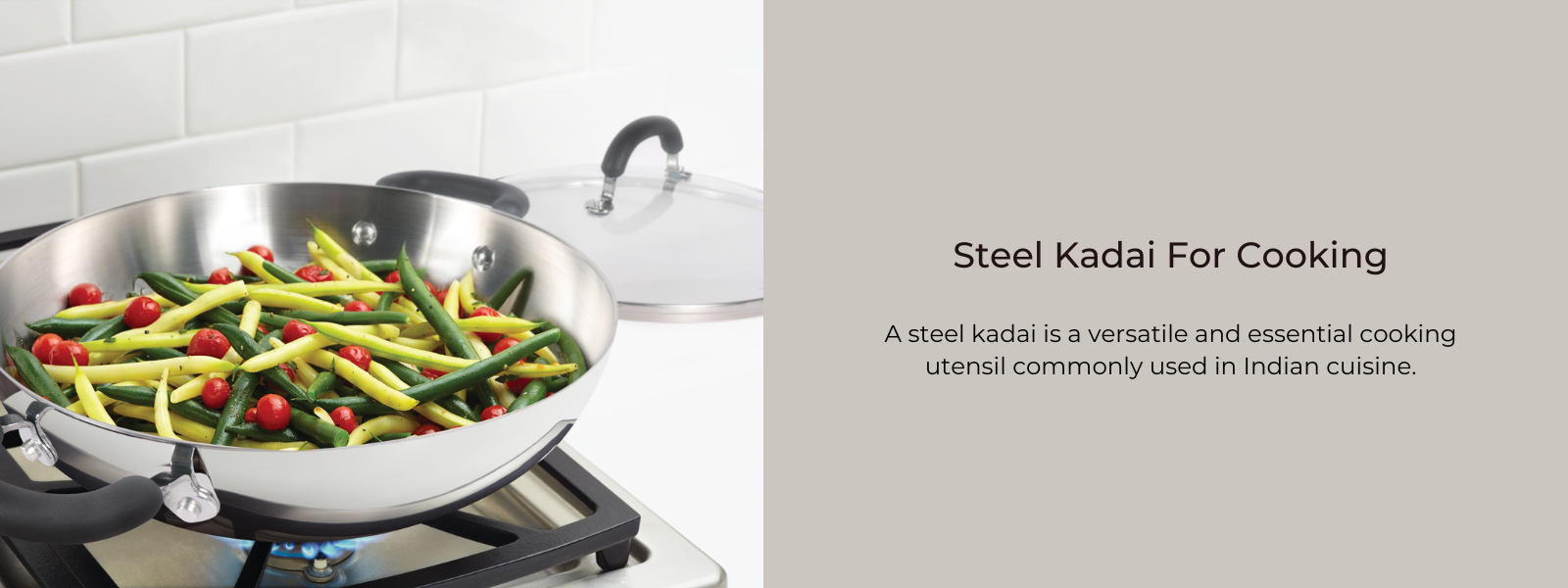
Steel Kadai For Cooking: Versatile Cookware For Indian Meals
2 Items
Can I use stainless steel cookware in an electric oven?
2 Items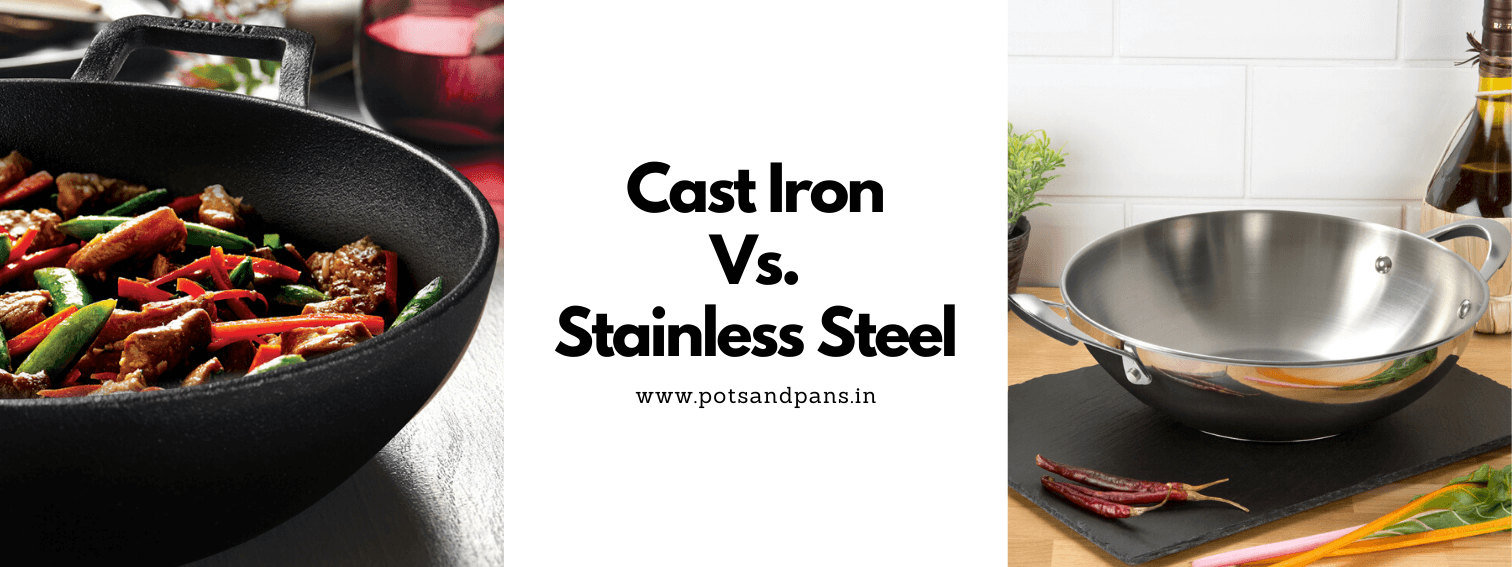
Cast Iron Vs Stainless Steel: Which Is Right For You?
2 Items
Choosing Between Stainless Steel and Non-Stick Frying Pans
2 Items
How Does Stainless Steel Cookware Handle High Heat in Indian Cooking?
2 Items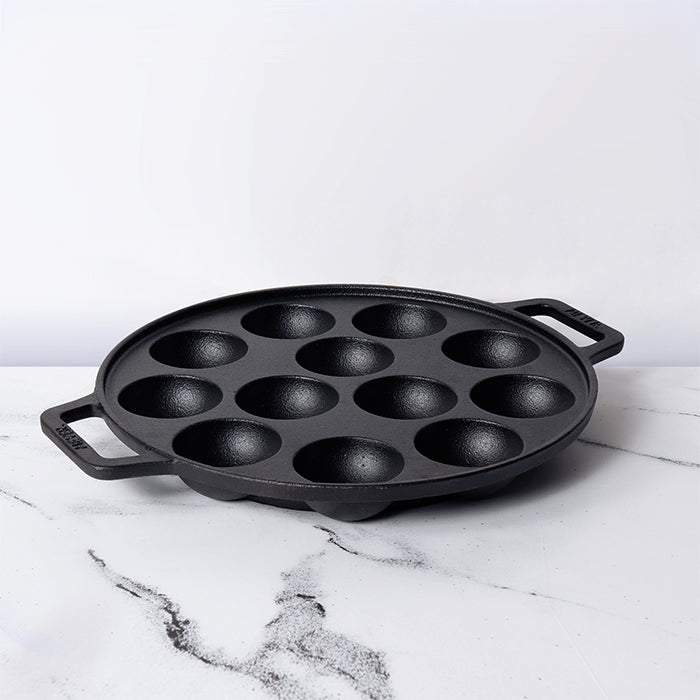


Leave a comment