


Frying is an integral part of Indian cuisine—whether it’s a comforting bowl of tadka dal, crisp aloo tikki, or festive samosas. While deep frying has been a part of traditional cooking for generations, pan frying has emerged as a healthier alternative in modern Indian kitchens. As health awareness grows, many people wonder: Which method is better for everyday cooking—pan frying or deep frying?
This comprehensive guide breaks down the techniques, health impact, ideal uses, oil absorption, nutrient retention, cookware choice, and practical tips to help you make the right decisions in your kitchen.
Table of Contents
Understanding the Frying Methods
What Is Pan Frying?
Pan frying uses a small quantity of oil, just enough to coat the surface of the pan. Food is cooked over medium or medium-high heat, allowing it to brown and crisp without drowning in oil.
It is perfect for:
-
Everyday Indian sabzis
-
Tikkis and cutlets
-
Parathas
-
Stir-fried snacks
-
Sautéing masalas
Modern cookware like the Meyer Non-Stick Frypan Set or Meyer Cast Iron Skillet makes pan frying even easier by distributing heat uniformly and requiring very little oil.

What Is Deep Frying?
Deep frying involves immersing food completely in oil heated between 170–190°C. This creates fast steam formation, which is what gives fried foods their crisp, golden crust.
Deep frying is best for:
- Festive snacks
- Pooris
- Pakoras
- Samosa
- Medu vada
- Jalebi or gulab jamun
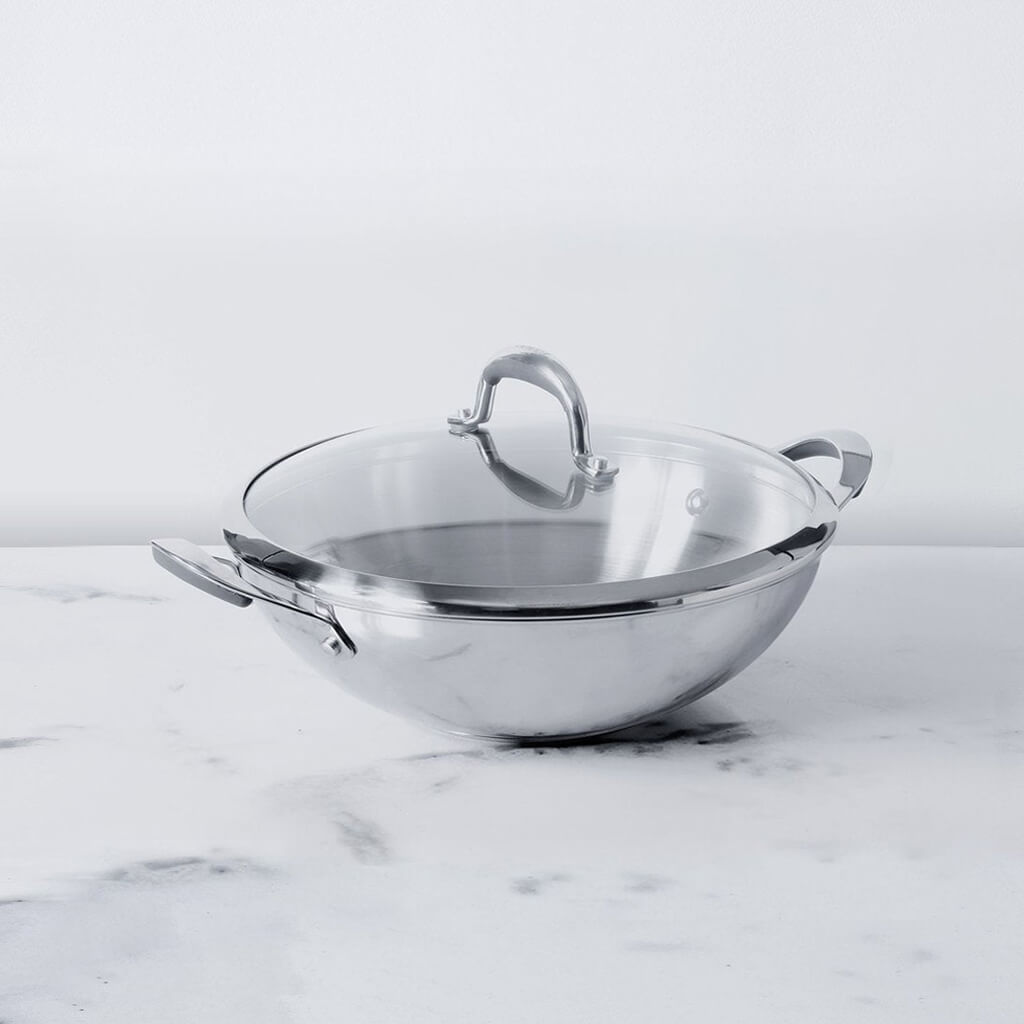
Using a Meyer Triply Kadai or hard-anodized kadai ensures stable temperature control, helping achieve crisp results without sogginess.
Pan Frying vs Deep Frying: The Health Comparison
1. Oil Usage and Absorption
Pan frying uses far less oil, making it ideal for people monitoring weight, cholesterol, or overall fat intake.
Deep frying absorbs more oil because:
- Food is submerged
- High heat causes expansion of pores
- Improper temperature makes food soak up even more oil
Verdict: Pan frying is healthier by a wide margin.
2. Calorie Impact
-
Pan fried aloo tikki ≈ 100–120 calories
-
Deep fried aloo tikki ≈ 250–300+ calories
-
Deep fried pooris hold more oil than pan-fried parathas
-
Deep fried snacks increase overall meal calories significantly
Verdict: For weight control, pan frying is the clear winner.
3. Nutrient Retention
Pan frying maintains more nutrients because:
- Exposure to high heat is shorter
- Vitamins and natural moisture are preserved
Deep frying can degrade heat-sensitive compounds like:
- Vitamin A
- Vitamin C
- Polyphenols
- Antioxidants
Verdict: Pan frying retains nutrients better.
4. Digestion & Gut Health
Deep fried foods are:
- Harder to digest
- Slower to metabolize
- More likely to cause acidity, bloating, heaviness
Pan frying produces lighter, easier-to-digest meals.
Verdict: Pan frying supports better digestion.
5. Texture, Taste & Craving Control
Deep frying definitely gives a superior crunch—but it also encourages overeating due to:
- High palatability
- Calorie density
- “Snack-like” texture
Pan fried foods offer good texture without leading to mindless eating.
Verdict: Pan frying is healthier for mindful eating.
Circulon Origins 26cm Non-Stick + Hard Anodized Frypan
When Should You Pan Fry in Indian Cooking?
Pan frying is ideal for daily cooking, such as:
Dry Sabzis
A light splash of oil is enough to cook bhindi, beans, gajar-matar, cabbage, or paneer sabzi.
Tikkis & Patties
Shallow-fry aloo tikki, beetroot tikki, or cutlets in a Meyer Cast Iron Skillet for perfect browning.
Eggs & Omelettes
A non-stick frypan ensures fluffy omelettes at low fat.
Masala Base Cooking
For sautéing onions, ginger-garlic, tomatoes, and spices, pan frying is both healthy and flavourful.
Parathas & Rotis
Use a cast iron or stainless steel tawa for minimal oil cooking.
When Should You Deep Fry?
Deep frying is best reserved for occasional indulgences:
Festive Snacks
Pakoras, samosas, kachoris, and gujiyas require deep frying for authentic results.
Traditional Sweets
Jalebi, gulab jamun, malpua, and boondi need full immersion frying.
Pooris for Special Meals
Deep frying ensures even puffing and perfect colour.
Crunchy Snacks
Namakpare, sev, chakli, and bhakarwadi rely on this technique.
A Meyer Triply or Hard-Anodized Kadai helps maintain consistent temperature, preventing greasy output.
How Cookware Impacts Frying Health
Good cookware supports healthy cooking by controlling heat distribution and oil usage.
- Excellent for pan frying
- Retains heat and browns food evenly
- Works well with minimal oil
- Example: Meyer Pre-Seasoned Cast Iron Skillet
- Ideal for cutlets, eggs, low-oil sabzis
- Reduces fat by preventing sticking
- Example: Meyer Non-Stick Frypan Set
- Great for deep frying
- Maintains temperature consistently
- Reduces chances of oil absorption
- Example: Meyer Triply Base Kadai
- Durable
- Heats fast and evenly
- Suitable for both frying methods
- Example: Circulon Hard-Anodized Kadai
Tips to Make Frying Healthier (Both Methods)
1. Choose Oils with High Smoke Points
Best oils for Indian frying:
- Mustard oil
- Groundnut oil
- Sunflower oil
- Rice bran oil
- Refined peanut oil
Avoid repeatedly reheating or reusing oil.
2. Maintain Ideal Oil Temperature
-
Optimal frying temperature: 170–190°C
-
Too hot → food burns
-
Too low → food absorbs oil
Use heavy-bottom pans like Meyer Triply Kadai to maintain steady heat.
3. Drain Excess Oil the Right Way
Use:
- Kitchen tissue
- Steel mesh strainers
- Perforated ladles
Draining helps cut down 10–20% calorie load.
4. Use Non-Stick or Cast Iron for Pan Frying
These surfaces require only a brush of oil, especially for:
-
Tikkis
-
Paneer
-
Chicken strips
-
Vegetables
5. Portion Control
Deep fried foods are best served as:
-
Occasional treats
-
Weekend snacks
-
Festival foods
This helps balance nutrition and cravings.
Final Verdict: Which Is Healthier?
Pan frying is significantly healthier for everyday Indian cooking.
It uses less oil, retains nutrients, supports digestion, and fits naturally into the Indian cooking pattern of dal–sabzi–roti–rice.
Deep frying has its place—especially in festive dishes—but should be an occasional method. When done right with stable cookware, it can still be part of a balanced lifestyle.
Using the right cookware—such as Meyer Cast Iron Skillets, Hard-Anodized Kadais, or Triply Stainless Steel Cookware—can make both frying techniques more controlled, efficient, and healthier.
MORE FROM BLOG
Top Collections
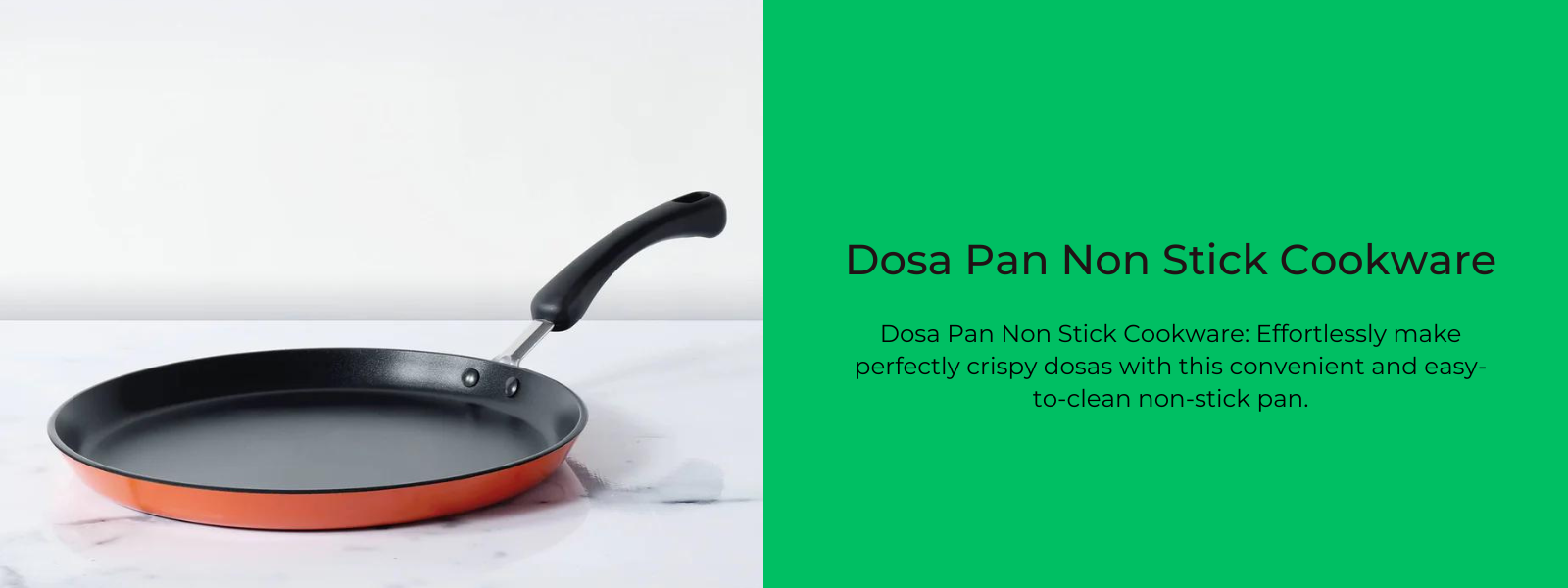
Best Dosa Pan Non Stick Cookware In India
2 Items
Best Griddle Pan For Attractive Grill Marks
2 Items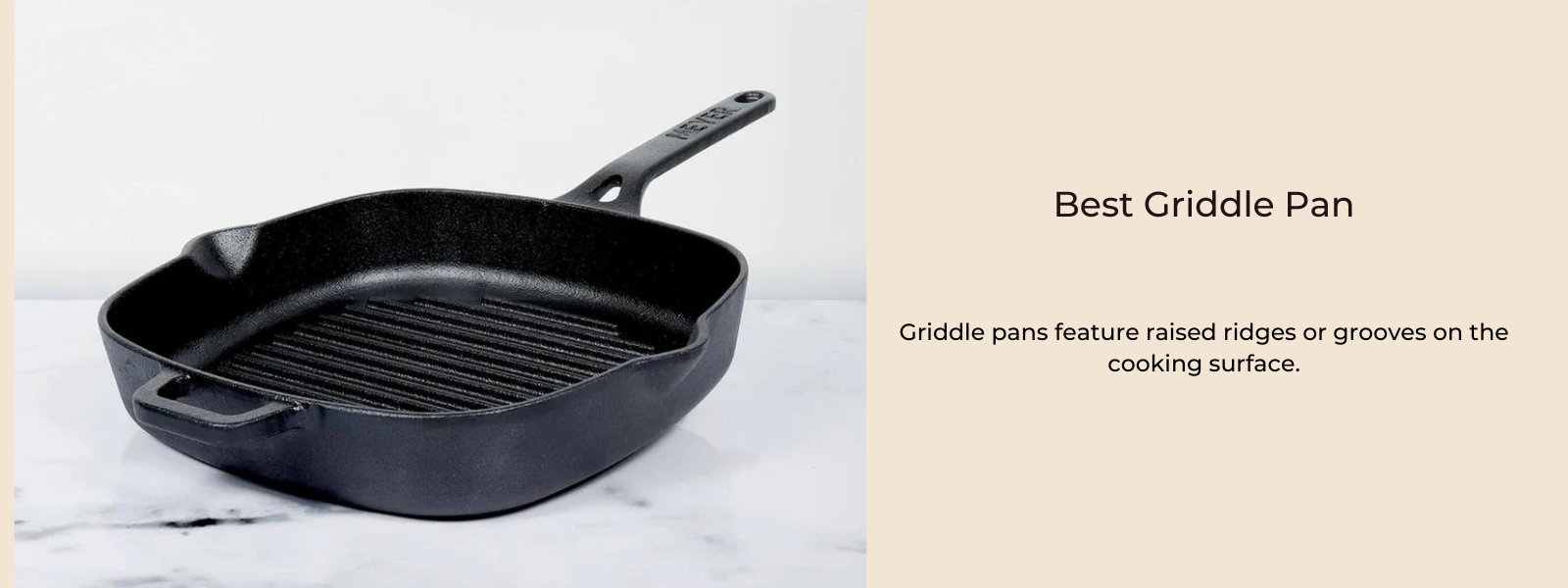
Best Griddle Pan For Grill-Like Results At Home
2 Items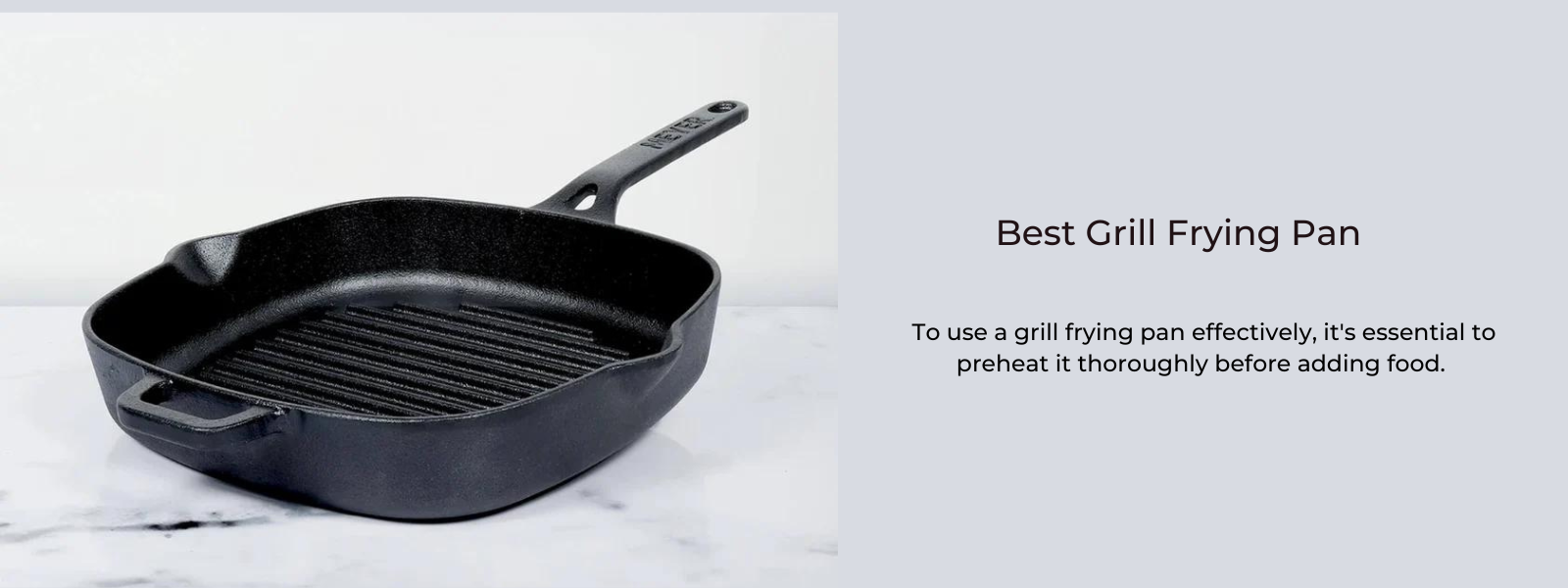
Best Grill Frying Pan For Grill Marks
2 Items
Best Handi Pressure Cookers for Traditional Cooking
2 Items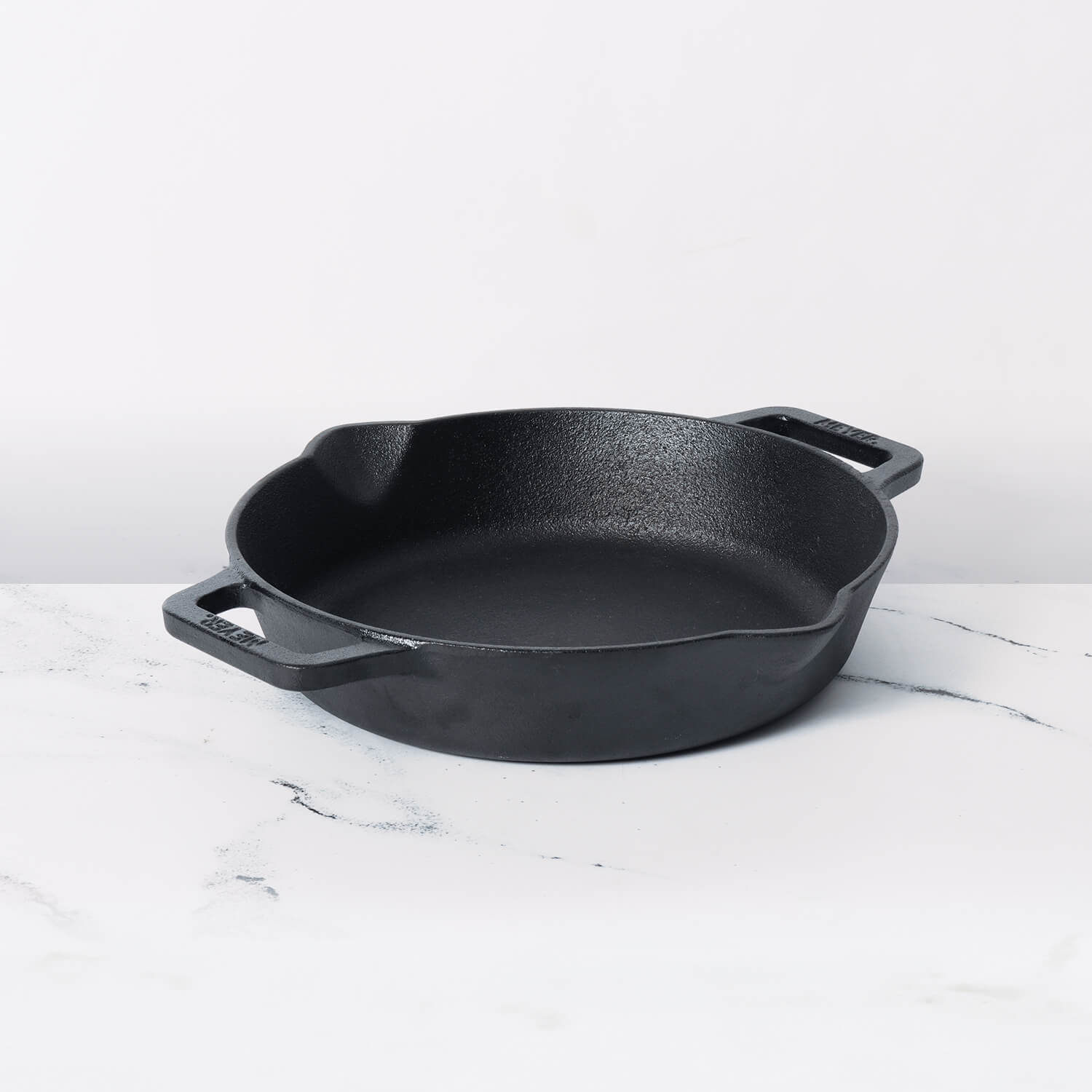


Leave a comment