



Indian meals are celebrated for their bold flavours, aromatic spices, and rich textures. But these same spices—especially turmeric, chilli, cumin, coriander, and masala blends—combined with oil tempering can leave behind stubborn stains, greasy films, and lingering aromas on cookware. If cookware is not cleaned properly, these residues accumulate, affecting food hygiene, shortening the life of the cookware, and diminishing cooking performance.
To maintain both safety and durability, it is essential to clean cookware correctly depending on the material. Whether you use tri-ply stainless steel like Meyer Presta, cast iron tawas, non-stick fry pans, or enamelled cookware, here are the best practices to ensure safe and thorough cleaning after spicy or oily dishes.
Table of Contents
Why Cleaning Matters More After Spicy or Oily Indian Cooking
Indian cuisine often involves oil frying, tempering, slow roasting of masalas, and sautéing on high heat. This results in:
• Oil polymerizing on hot surfaces, forming sticky layers
• Turmeric and chilli stains bonding to metal and coatings
• Masala remnants sticking to pan corners and rivets
• Lingering aromas transferring to the next dish
• Possible surface damage if abrasive tools are used for scrubbing
Safe cleaning is not just about appearance—it directly impacts cookware longevity, food safety, flavour integrity, and performance.

Cleaning Techniques Based on Cookware Material
1. Tri-Ply Stainless Steel Cookware
Tri-ply stainless steel cookware is durable, long lasting, and designed to handle high-heat Indian cooking. However, spicy masalas and oily residues can cling strongly to the stainless-steel surface if not cleaned correctly.
Best Cleaning Practices
- Soak before cleaning: After cooking oily or masala-heavy foods, fill the pan with warm soapy water and soak for 10–20 minutes. This softens stuck-on spices.
- Use mild dish soap: Always use gentle cleaners to protect the steel shine and finish.
- Remove burnt masala using the boiled-water method: Add water and a spoon of baking soda, heat the mixture for a few minutes, and watch the residue loosen easily without scrubbing.
- Eliminate turmeric stains: A paste of baking soda and lemon helps restore the natural shine.
- Avoid harsh abrasives: Steel wool and rough scrubbers can create micro-scratches.
Meyer’s tri-ply cookware, designed with an aluminium core for even heating, responds well to these gentle yet effective cleaning methods and retains its polished finish longer.
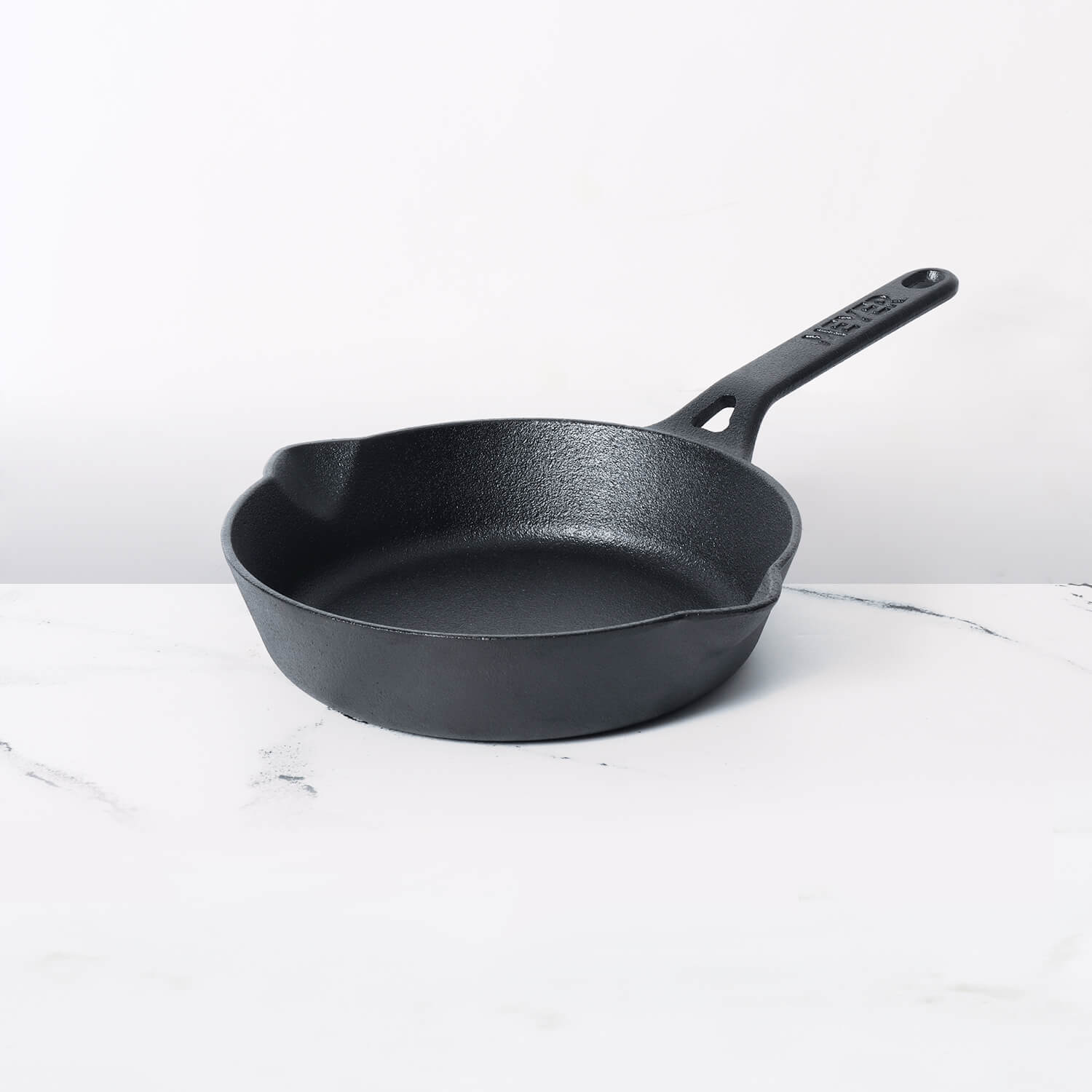
Cast iron develops a natural non-stick layer through seasoning, making it excellent for Indian dishes. But it must be cleaned correctly to protect this layer.
Best Cleaning Practices
- Clean while warm: Warm cast iron releases oil and masala easily.
- Skip soap when possible: Wipe with a paper towel or use warm water and a soft brush.
- Salt scrub for heavy residue: Sprinkle coarse salt and scrub lightly to remove stubborn masala without stripping seasoning.
- Reapply oil: After drying thoroughly, coat the surface lightly with oil to maintain the non-stick seasoning.
- Never soak: Water exposure can cause rusting.
Meyer’s cast iron cookware, which comes pre-seasoned, benefits greatly from these practices, ensuring longer-lasting performance and an even better non-stick surface over time.
3. Enameled Cast Iron Cookware
Enameled cast iron does not require seasoning and resists acidic foods, making it suitable for tomato-based gravies and spicy curries.
Best Cleaning Practices
- Use warm soapy water: Mild soap and a soft sponge are ideal.
- Soak for tough stains: A 15-minute soak helps loosen chilli oil or masala residue.
- Simmer water with baking soda: For stubborn stains, heat water with baking soda inside the pot.
- Avoid abrasives: They can scratch the enamel layer.
4. Non-Stick or PFAS-Free Non-Stick Cookware
Non-stick cookware is excellent for low-oil cooking but requires careful cleaning due to its delicate coating.
Best Cleaning Practices
-
Let the pan cool before rinsing: Sudden temperature shifts may warp or damage the coating.
-
Use only soft sponges: Gentle tools extend the lifespan of the coating.
-
Soak for oily residues: A simple 10-minute soak removes chilli oil and masala stains safely.
-
Avoid metal utensils and steel wool: These scratch the surface and reduce non-stick performance.
-
Deodorize naturally: Clean with diluted vinegar to remove spicy aromas.
Meyer’s PFAS-free non-stick surfaces respond well to gentle cleaning, maintaining their performance without chemical exposure.
Ceramic cookware naturally resists stains but must be handled gently.
Best Cleaning Practices
-
Use mild dish soap and a non-abrasive sponge.
-
Apply a baking soda paste for tougher turmeric or chilli stains.
-
Avoid extreme heat changes to prevent cracks.
-
Keep metal utensils away to maintain the glaze.
Meyer Anzen Ceramic Coated Cookware 26cm Kadai with Lid
General Cleaning Rules for All Cookware After Oily or Spicy Food
Regardless of the material, these universal techniques ensure safety, hygiene, and longevity:
1. Pre-soaking is essential:
Warm water breaks down oily films and masala buildup quickly.
2. Avoid harsh chemicals:
Strong detergents damage coatings, remove seasoning, and wear down steel finishes.
3. Do not use abrasive tools:
They scratch stainless steel, ceramic, enamel, and non-stick surfaces.
4. Neutralize lingering masala odors:
Use lemon water, vinegar, or baking soda solutions—safe and naturally effective.
5. Dry completely before storing:
Moisture can cause rusting, water spots, and bacterial growth, especially in cast iron.
6. Clean cookware immediately after spicy or oily cooking:
Waiting too long allows the residue to harden and makes cleaning more difficult.
How to Remove Tough Spicy or Oily Stains Safely
Turmeric stains:
Apply a mild baking soda paste, scrub gently, and rinse thoroughly.
Chilli oil stains:
Use warm soapy water or a vinegar-water mix to cut through the red oily layer.
Burnt masala layers:
Boil water with baking soda in the cookware for effortless lifting.
Lingering odour from spices:
Simmer water with lemon slices to refresh stainless steel or enamel interiors.
These methods are safe for Meyer stainless steel, cast iron, and non-stick cookware, ensuring the cookware remains spotless and odor-free.
Conclusion
Proper cleaning is essential for maintaining the performance, appearance, and safety of cookware exposed to oily or spice-heavy Indian dishes. By understanding the needs of each cookware material and using gentle, effective techniques, you can greatly extend the life of your pans and ensure every new meal tastes fresh and authentic.
MORE FROM BLOG
Top Collections
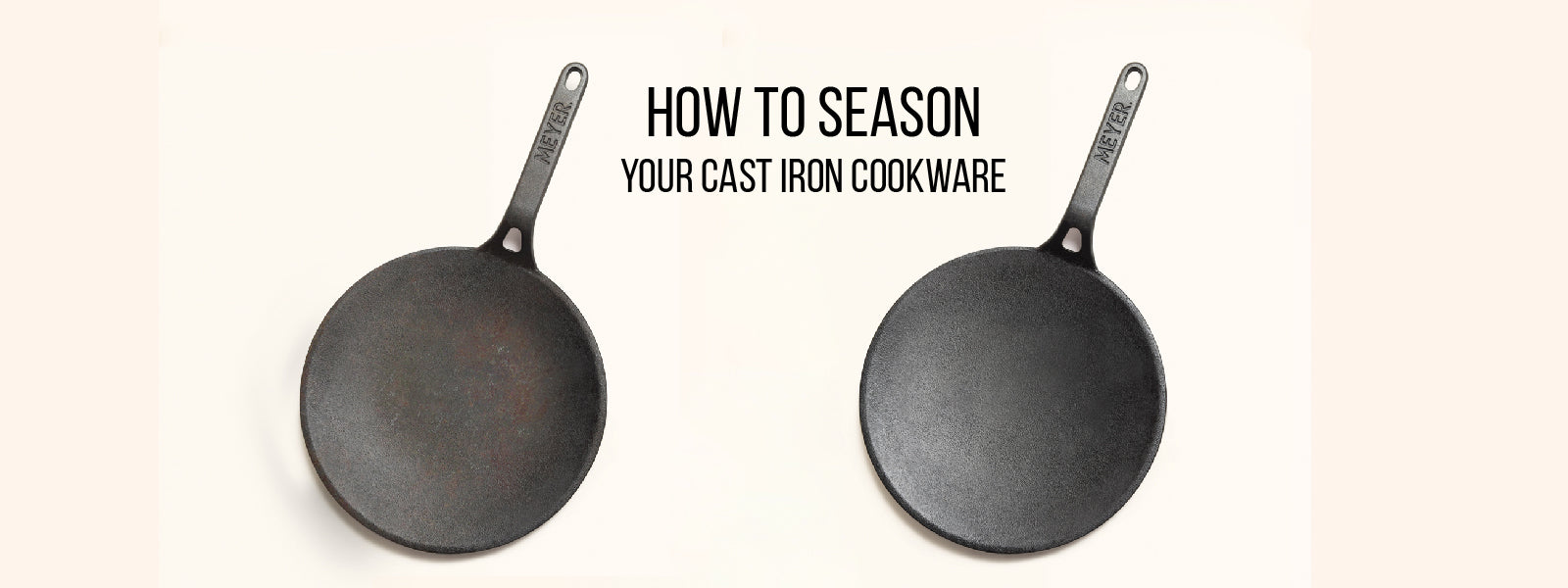
How To Season Cast Iron Cookware?
2 Items
Bakeware Materials Explained: Aluminum, Glass, Ceramic, and More
2 Items
Bakeware Safety: Tips for Choosing Non-Toxic and Durable Materials
2 Items
Best Cast Iron Cookware In India For Indian Food
2 Items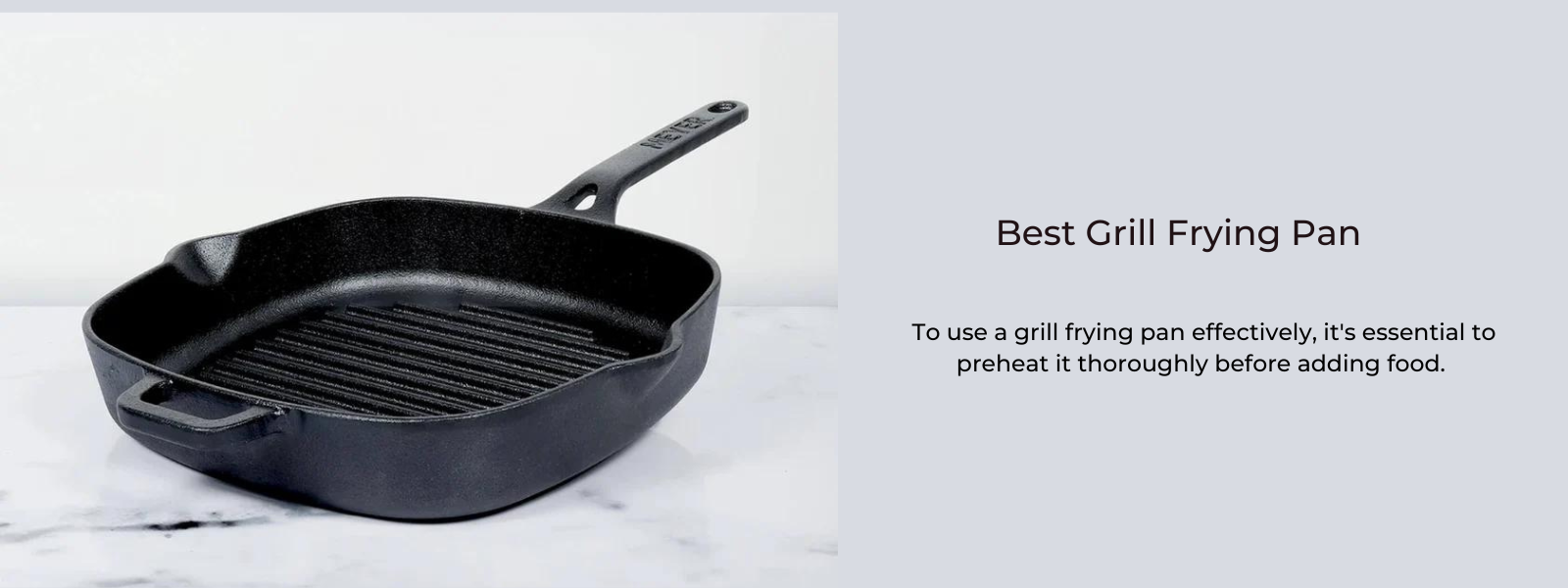
Best Grill Frying Pan For Grill Marks
2 Items


Leave a comment