



Indian kitchens have always been defined by deep flavours, slow cooking, and age-old techniques passed down across generations. While modern cookware made daily cooking faster and more convenient, traditional cookware is making a remarkable return—fueled by a growing focus on health, authenticity, and sustainable living.
Cast iron skillets, brass patilas, clay pots, and hand-beaten iron tawas are not just nostalgic pieces; they are incredibly functional tools that enhance flavour, increase nutrition, and stand the test of time. Today, many home cooks are rediscovering these classics—and premium brands such as Meyer offer modern interpretations that preserve heritage while improving performance, safety, and durability.
This blog explores the traditional Indian cookware making a comeback, the science behind their revival, and how you can add the right pieces to your kitchen.
Table of Contents
Traditional Cookware Making a Popular Comeback
1. Cast Iron: The Crown Jewel of Indian Kitchens
Why It’s Returning
-
Excellent heat retention and naturally even heating
-
Adds trace iron to food—great for health
-
Creates rich browning, crisping, and authentic flavour layers
-
Naturally non-stick when seasoned well
-
Perfect for high-heat Indian cooking
Best Uses
- Aloo parathas
- Fish fries
- Tawa pulao
- Bhindi, baingan, or aloo-based sabzis
- Dosa, appam, malpua, chilla
Modern Upgrade
The Meyer Pre-Seasoned Cast Iron range revives traditional cast iron but enhances it with:
- Food-safe pre-seasoning
- Comfortable handles
- Superior weight balance
- No chemicals, coatings, or synthetic additives
Products like the Meyer Cast Iron Tawa or 2 Side Handle Appam Pan beautifully combine tradition with modern comfort.
2. Brass (Pital): The Traditional Metal for Slow-Cooked Goodness
Why It’s Returning
- Excellent for slow cooking
- Enhances flavour depth, especially in gravies
- Has antimicrobial properties
- Long-lasting and heirloom-worthy
Best Uses
- Kheer
- Kadhi
- Mutton curry
- Dal preparations
- Rajasthani dishes like gatta or bajra khichdi
Modern households appreciate brass for its sustainability and natural antibacterial characteristics, making it ideal for families.
Modern Upgrade
Contemporary brassware features tin-lined interiors to keep cooking safe and compatible with a wider range of ingredients.
Meyer also offers small-batch crafted kitchen essentials inspired by traditional metallurgy.
3. Clay (Earthen Pots): Back to Soil and Pure Flavours
Why It’s Returning
-
Adds an earthy aroma
-
Natural heat insulation keeps food warm for long
-
Retains nutrients due to gentler cooking
-
Supports sustainable lifestyles
Best Uses
-
Biryani
-
Dal
-
Kadhi
-
Rasam
-
Handi vegetables
-
Curd setting
Clay cookware is valued for enhancing depth and fragrance, especially in South Indian, Rajasthani, and coastal meals.
4. Iron Kadai (Lohe ki Kadhai): The Workhorse of Indian Homes
Why It’s Returning
-
Withstands extremely high temperatures
-
Gives a beautifully smoky, rustic flavour
-
Naturally non-stick over time
-
Perfect for frying and stirring rugged Indian textures
Best Uses
- Pakoras
- Halwa
- Deep-fried snacks
- Stir-fried sabzis
- Meat dishes
Modern Upgrade
Meyer’s heavy-gauge cast iron kadais offer the same traditional power but with improved ergonomics and better seasoning stability.
5. Stoneware (Kalchatti): Tamil Nadu’s Timeless Legacy
Why It’s Returning
-
Naturally retains heat
-
Preserves aromas of spices
-
Adds unmatched flavour depth to tamarind-based dishes
Best Uses
- Kuzhambu
- Sambhar
- Rasam
- Fish curry
- Slow-simmered gravies
Though fragile, its flavour-enhancing capabilities make it worth the effort for enthusiasts.
6. Hand-Beaten Iron Tawa: The Authentic Way to Make Rotis
Why It’s Returning
- Superior heat distribution
- Creates evenly cooked, soft rotis
- Ideal for bajra, jowar, ragi rotis
- Long-lasting, chemical-free
Modern Upgrade
Contemporary versions come with smoother finishes and comfortable handles.
Many home cooks also choose a combination—traditional for rotis, and something like Meyer Merlot or Meyer Accent non-stick pans for oil-free breakfasts like cheela or omelettes.
7. Traditional Steel (Heavy-Gauge Stainless Steel Pots)
Why It’s Returning
- Non-reactive and extremely durable
- Perfect for pressure cooking
- Ideal for daily Indian meals
- Low maintenance
- Completely safe and toxin-free
Modern Upgrade
High-performance stainless steel like Meyer Trivantage or Meyer Centennial blends the nostalgia of steel with even heating, ergonomic handles, and modern energy efficiency.

Why Traditional Cookware Is Returning to Modern Kitchens
1. Health Conscious Living
Consumers now prefer cookware:
- Free from synthetic coatings
- Chemical-free
- Built with natural, traditional materials
Hence, cast iron, brass, clay, and hand-beaten iron are back in the spotlight.
2. Authentic Taste
People want their dishes to taste as they were meant to taste.
Clay pots, cast iron tawas, and iron kadhais bring out flavours that non-stick pans simply cannot.
3. Durability & Sustainability
Traditional cookware lasts decades.
In a world of disposable items, longevity matters more than ever.
4. Cultural Connection
Younger cooks enjoy reconnecting with family traditions—reviving the vessels their parents and grandparents once used.
5. Versatility
Most traditional cookware transitions seamlessly:
- Gas → Induction
- Oven → Table
- High-heat → Slow simmering
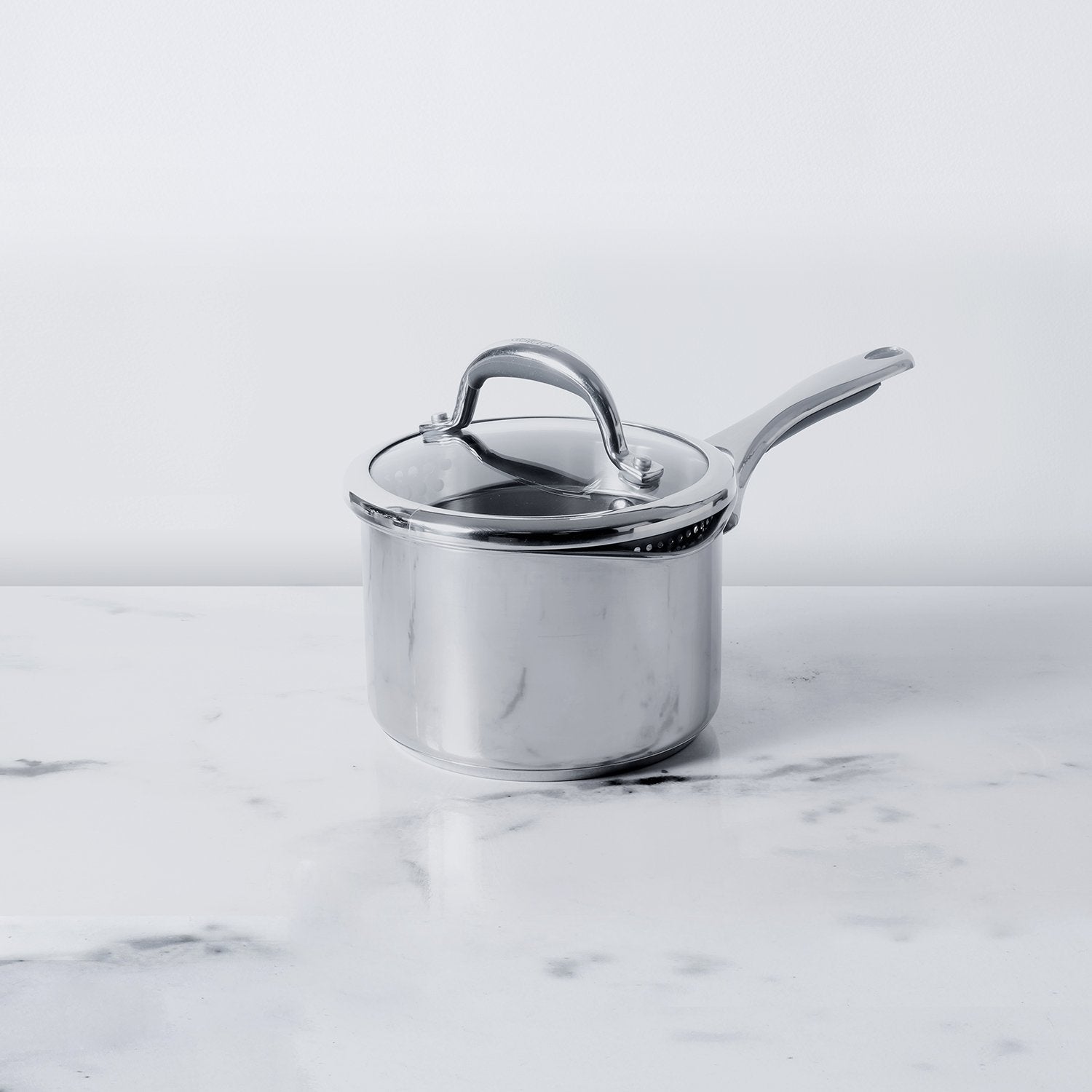
MEYER Presta 4L Tri-ply Pressure Pan
How to Choose the Right Traditional Cookware for Your Kitchen
Choose Cast Iron If:
You want versatile, high-heat, long-lasting cookware for frying, roasting, searing, and crisping.
Choose Brass If:
You love slow-cooking gravies, dals, and festive dishes.
Choose Clay If:
You enjoy earthy flavours and gentle cooking.
Choose Stainless Steel If:
You prefer easy maintenance and safe everyday cooking with no re-seasoning.
Choose Hand-Beaten Iron If:
You want authentic rotis or traditional frying results.
Conclusion
From cast iron to brass and stoneware to earthen pots, traditional Indian cookware is experiencing a well-deserved revival. Their unmatched flavour, durability, and health benefits make them natural favourites in modern kitchens.
With contemporary brands like Meyer crafting thoughtful, safe, and performance-driven versions of these classics, today’s home cooks can enjoy the best of both worlds—heritage charm and modern reliability.
Bringing back traditional cookware isn't just a trend; it’s a return to mindful, flavourful, and authentic cooking—one pot at a time.
MORE FROM BLOG
Top Collections
10 Must-Have Cookware Items for Diwali Cooking
2 Items
5 essential qualities of a non-stick cookware
2 Items
5 Healthy Meals You Can Prepare in Your Non-stick Cookware
2 Items
Best Dosa Pan Non Stick Cookware In India
2 Items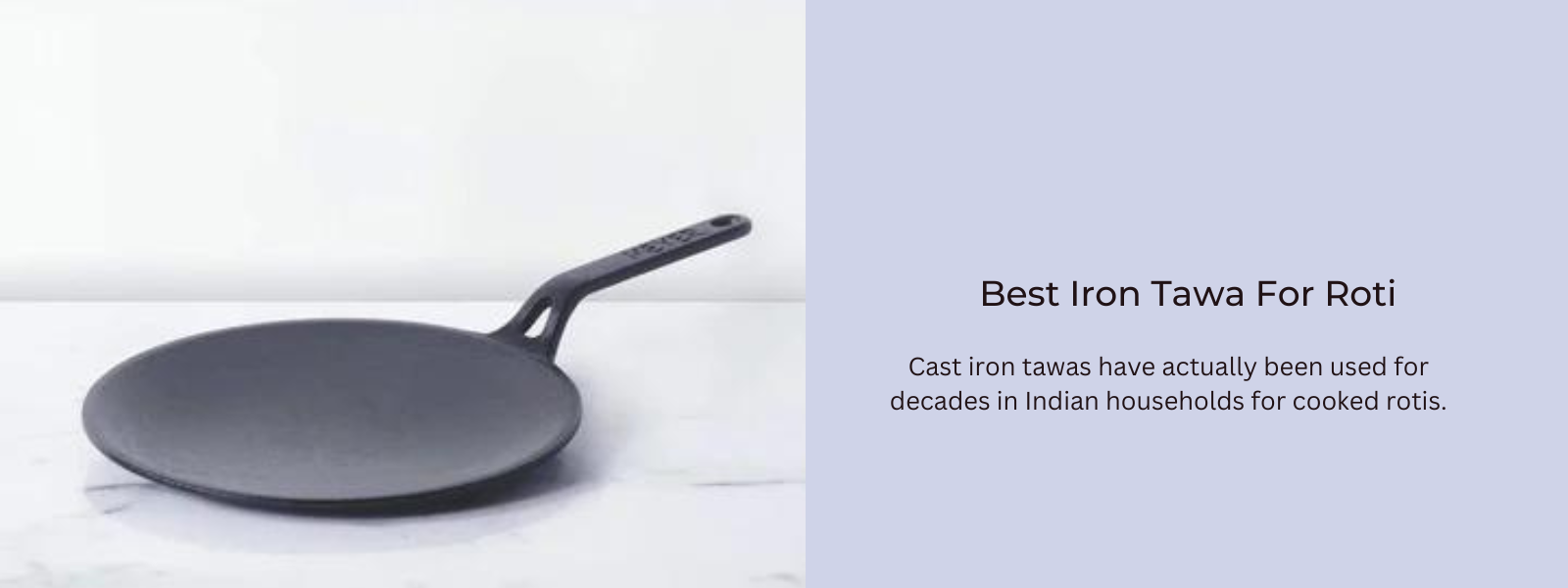
Best Iron Tawa For Roti: Cookware For Indian Food
2 Items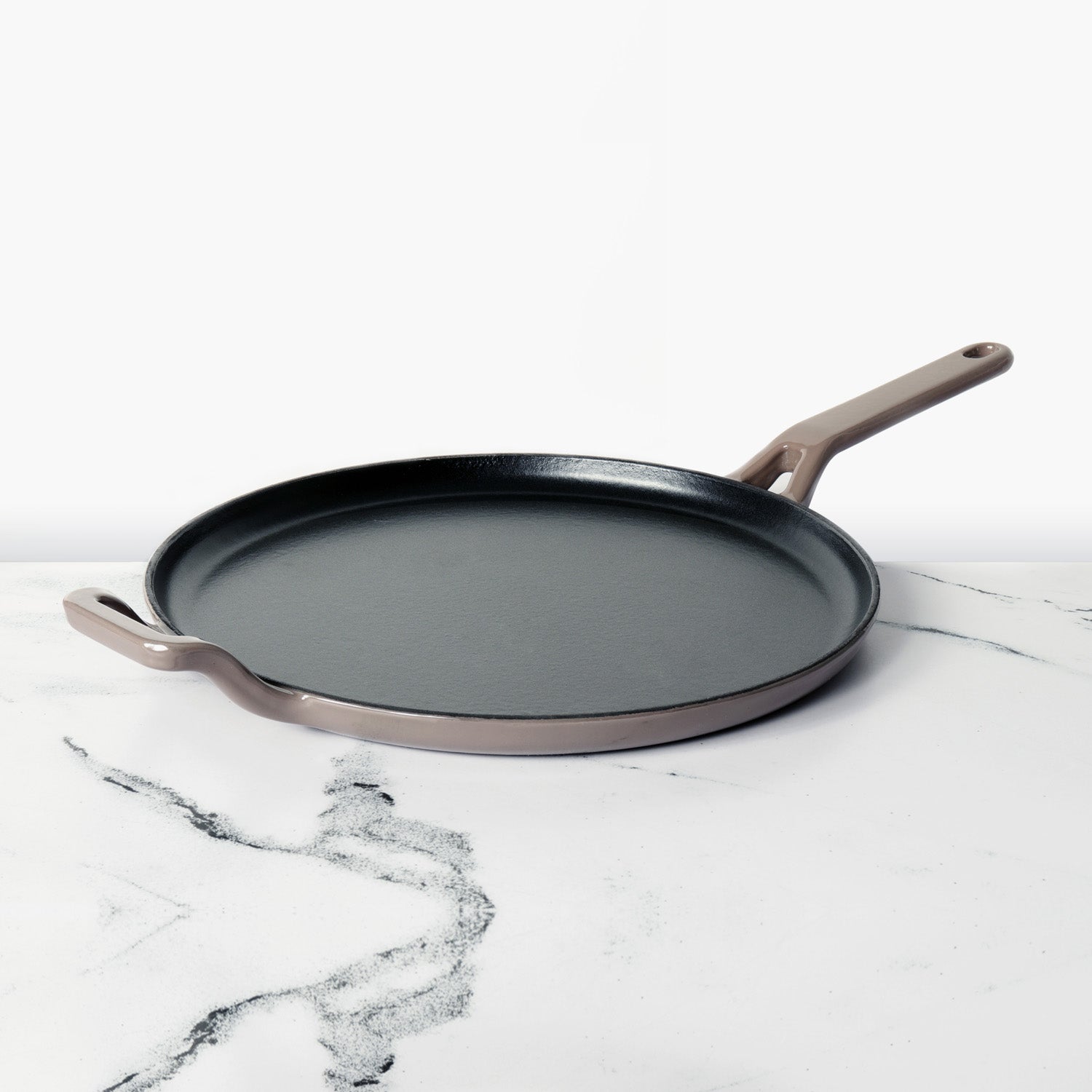


Leave a comment