



Batch cooking is no longer just a trend — it has become a practical lifestyle solution for modern Indian households. With demanding schedules, school routines, work commitments, and the desire to eat home-cooked food daily, preparing meals in advance offers structure and convenience. However, successful batch cooking is not just about planning recipes. The foundation of efficient weekly meal prep lies in choosing the right cookware.
Indian cooking is layered, technique-driven, and often requires multiple heat styles — pressure cooking, slow simmering, high-heat sautéing, dum cooking, tempering (tadka), and shallow frying. When preparing food for 3–5 days at once, cookware must handle volume, maintain flavor integrity, distribute heat evenly, and withstand repeated use.
A well-rounded batch-cooking kitchen can be built using four powerful cookware essentials:
-
Meyer Pre-Seasoned Cast Iron Dutch Oven/Sauteuse With Glass Lid
-
Circulon Origins 30cm Non-Stick + Hard Anodized Kadai/Wok With Lid
Together, these create a balanced, versatile system for weekly Indian meal prep. Let’s explore how.
Table of Contents
Understanding the Demands of Indian Batch Cooking
Batch cooking in an Indian kitchen is unique. It often includes:
-
Cooking large quantities of dal or legumes
-
Preparing base gravies for multiple dishes
-
Stir-frying vegetables in bulk
-
Cooking rice, pulao, or biryani
-
Slow-simmered curries that taste better the next day
-
Making breakfast staples like poha or upma in larger portions
Unlike single-meal cooking, batch cooking requires cookware that:
Prevents burning during large-volume cooking
Distributes heat uniformly
Handles acidic ingredients safely
Retains heat for slow cooking
Is easy to clean after masala-heavy dishes
No single cookware material excels at all tasks. The key is strategic combination.

Stainless Steel Sauteuse: The Everyday Backbone
Meyer Select Stainless Steel Sauteuse 24cm
The Meyer Select Stainless Steel Sauteuse 24cm serves as a primary cooking vessel for gravies, sabzis, and one-pot meals. Its wide base and gently curved sides allow ingredients to cook evenly without crowding.
Why It’s Ideal for Weekly Cooking
Even Heat Distribution
When preparing a large quantity of onion-tomato masala, uneven heat can cause scorching at the center while edges remain undercooked. A well-constructed stainless steel sauteuse ensures uniform heat spread, minimizing hot spots.
This is particularly important for:
-
Rajma masala
-
Chole
-
Paneer butter masala
-
Mixed vegetable curries
Generous Capacity with Controlled Stirring
The depth of the sauteuse allows comfortable stirring without spills, even when cooking 3–4 servings at once. This is helpful when cooking:
-
Lauki chana dal
-
Aloo matar
-
Baingan bharta
-
Cabbage peas sabzi
Non-Reactive Cooking Surface
Indian cooking frequently uses:
-
Tomatoes
-
Tamarind
-
Curd
-
Lemon
A stainless steel surface does not react with acidic ingredients, preserving authentic flavors.
Gas and Induction Compatibility
In many modern kitchens, both gas and induction cooktops are used simultaneously. Flexibility in compatibility ensures seamless cooking during high-volume meal prep.
For everyday gravies and vegetable dishes prepared in bulk, this sauteuse becomes the backbone of your weekly cooking system.
Pressure Cooker: Speed Meets Efficiency
MEYER Presta 5.5L Pressure Cooker
Pressure cooking is central to Indian batch cooking. Lentils and legumes that normally require long soaking and boiling times can be cooked quickly and evenly under pressure.
Why It’s Essential
Large 5.5L Capacity
Cooking for the week often means preparing:
-
3–4 portions of rajma
-
Large batches of chole
-
Mixed lentils
-
Boiled potatoes for multiple dishes
The 5.5L capacity ensures efficiency without repeated cycles.
Time-Saving Efficiency
Pressure cooking significantly reduces cooking time. This allows you to:
-
Prepare legumes in under an hour
-
Move on to other dishes simultaneously
-
Reduce gas consumption
Consistent Texture
Pressure ensures even cooking from inside out, preventing undercooked centers in beans and chickpeas.
For weekly meal prep, pressure cooking legumes in advance creates a foundation for multiple dishes throughout the week.
Cast Iron Dutch Oven: Depth of Flavor
Meyer Pre-Seasoned Cast Iron Dutch Oven/Sauteuse With Glass Lid
Certain Indian dishes benefit from slow cooking and heat retention. Cast iron excels in this area.
Why It Enhances Batch Cooking
Superior Heat Retention
Cast iron absorbs heat gradually and distributes it evenly. Once hot, it maintains temperature steadily. This is ideal for:
-
Dal makhani
-
Slow-simmered sambar
-
Biryani
-
Khichdi
-
Dum-style gravies
Enhanced Flavor Development
Masalas require steady roasting for depth and complexity. Cast iron allows spices to bloom fully without rapid burning.
Pre-Seasoned Convenience
A pre-seasoned surface reduces sticking and simplifies maintenance compared to traditional raw cast iron.
Glass Lid Advantage
The glass lid allows you to monitor simmering without lifting the cover repeatedly, maintaining consistent cooking temperature.
For dishes that taste better after resting overnight, cast iron adds richness and stability.
Hard Anodized Kadai/Wok: High-Heat Versatility
Circulon Origins 30cm Non-Stick + Hard Anodized Kadai/Wok With Lid
Indian cooking frequently involves stir-frying and shallow frying at medium to high heat.
Why It Supports Weekly Cooking
Large Surface Area
A 30cm kadai offers ample space for:
-
Stir-frying cabbage
-
Cooking bhindi
-
Preparing poha in bulk
-
Shallow frying snacks
Hard Anodized Construction
Hard anodized cookware distributes heat efficiently and is durable under frequent use.
Non-Stick Performance
The non-stick interior reduces oil requirement and makes cleaning easier after heavy masala cooking.
Lid for Controlled Cooking
The included lid allows steaming vegetables or simmering dishes without drying out.
This kadai is perfect for dry sabzis and high-volume vegetable preparation.
How These Four Work Together
An effective weekly cooking routine may look like this:
Step 1: Pressure Cook Legumes
Use the pressure cooker to prepare rajma, chole, and mixed lentils.
Step 2: Prepare Base Gravies
Cook onion-tomato masala in the stainless steel sauteuse. Store in portions for quick weekday assembly.
Step 3: Slow-Cook Signature Dishes
Use the cast iron Dutch oven for biryani, dal makhani, or khichdi.
Step 4: Stir-Fry Vegetables
Prepare dry sabzis in the hard anodized kadai.
This combination allows multitasking while maintaining quality.
Why Combining Materials Is Smart
Indian cuisine involves:
-
Pressure
-
Slow heat
-
High heat
-
Acidic ingredients
-
Heavy stirring
No single cookware material handles all these perfectly. Combining stainless steel, pressure cooking, cast iron, and hard anodized cookware ensures balanced performance.
Storage and Reheating Tips
Batch cooking is successful only if food reheats well.
Cool dishes completely before refrigerating
Store in airtight containers
Reheat on medium heat
Stir while reheating to prevent sticking
Stainless steel and cast iron are particularly effective for even reheating.
Final Verdict
For batch cooking Indian meals for the week, the best approach is not choosing one pan — but building a functional cookware system.
-
Use the Meyer Select Stainless Steel Sauteuse for gravies and vegetables.
-
Rely on the MEYER Presta 5.5L Pressure Cooker for legumes and bulk cooking.
-
Slow-cook rich dishes in the Meyer Cast Iron Dutch Oven.
-
Stir-fry and sauté efficiently in the Circulon Origins 30cm Hard Anodized Kadai.
Together, these pieces create a reliable, versatile setup for efficient weekly meal prep.
Batch cooking becomes:
Faster
More structured
Flavor-consistent
Energy-efficient
Easier to manage
With the right cookware, Indian batch cooking transforms from an overwhelming task into a streamlined routine that saves time while preserving authentic taste.
MORE FROM BLOG
Top Collections
Best Non-Stick Cookware Sets For Your Kitchen
2 Items
Cast iron cookware for Indian Curries
2 Items
Cast Iron Cookware: The Benefits of Cooking with Tradition
2 Items
Creating Balanced Meals with Nonstick Cookware for Sustainable Weight Loss
2 Items
Essential features of a good cookware
2 Items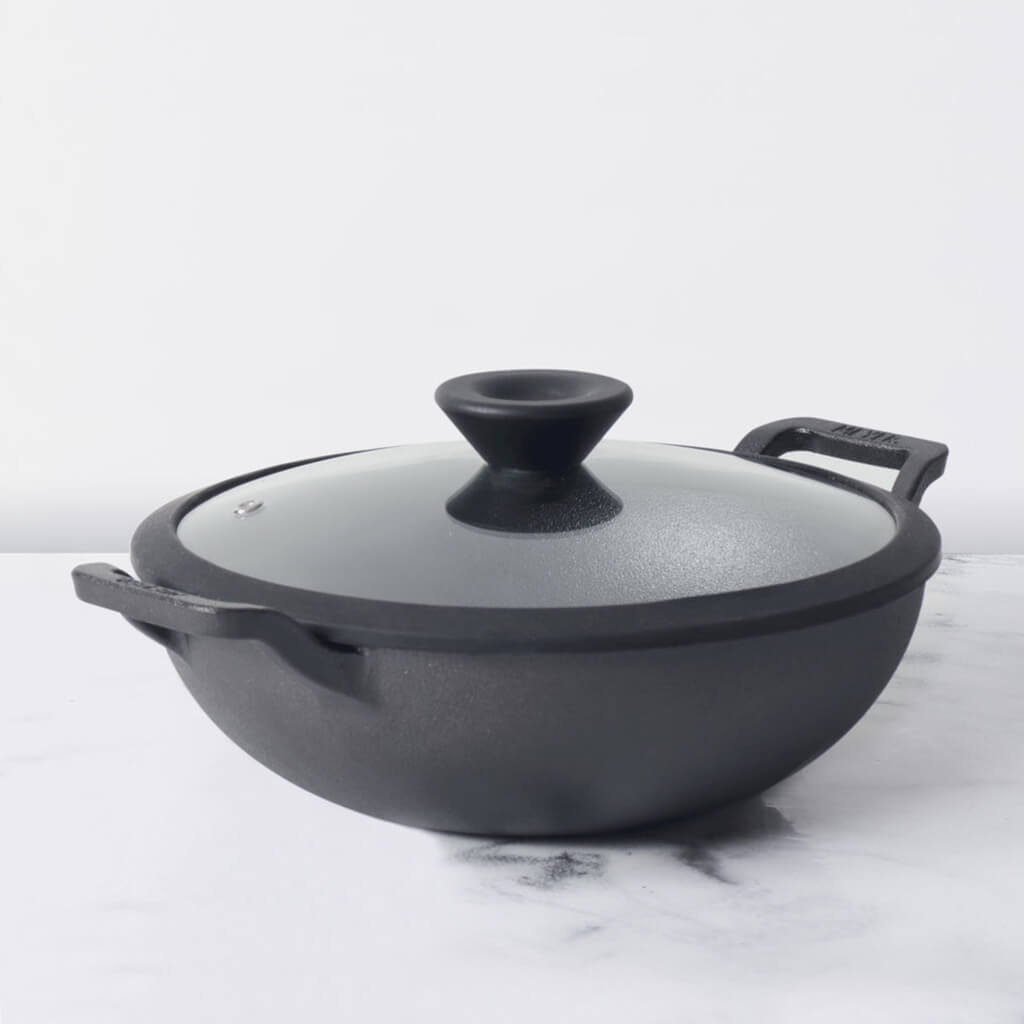


Leave a comment