



In Indian households, cooking is often done in generous quantities. Leftover dal, sabzi, rajma, biryani, kadhi, or curry is commonly stored for the next meal. While refrigeration helps preserve food, the type of cookware used for storage plays a critical role in maintaining food safety, taste, and cookware longevity.
Many people leave cooked food in the same vessel it was prepared in. However, not all cookware materials are suitable for storing food overnight — especially Indian dishes that often contain acidic ingredients like tomatoes, tamarind, curd, and lemon.
Understanding which cookware should be avoided for storing cooked food overnight can help prevent unwanted chemical reactions, metallic taste, coating damage, and hygiene issues.
Table of Contents
Why Cookware Material Matters for Food Storage
Cookware materials are designed primarily for heat transfer and cooking performance — not for long-term food storage. When food sits in certain metals for extended periods, especially in refrigerated conditions, several issues can arise:
-
Chemical reactions with acidic ingredients
-
Metal leaching into food
-
Flavor changes
-
Surface corrosion
-
Damage to seasoning or coatings
-
Increased bacterial risk if moisture is trapped
Indian cuisine, rich in spices and acidity, makes material compatibility even more important.
1. Uncoated Aluminum Cookware
Uncoated aluminum is lightweight and conducts heat efficiently, which makes it common in many kitchens. However, it is not ideal for storing cooked food overnight.
Why Avoid It?
Aluminum is a reactive metal. When acidic or salty foods — such as tomato-based gravies, sambhar, kadhi, or lemon rice — remain in aluminum cookware for long periods, a reaction can occur.
This may result in:
-
Slight metallic taste
-
Discoloration of food
-
Surface dullness inside the vessel
-
Minor aluminum migration into food
While brief contact during cooking is generally acceptable, prolonged storage increases reactivity risk. For safety and flavor preservation, transferring leftovers to non-reactive containers is recommended.
Cast iron is highly valued for heat retention and slow cooking. It enhances flavor during cooking, especially in dishes like dry sabzis, shallow frying, or slow-simmered curries. However, it is not suitable for storing cooked food overnight.
Reasons to Avoid Storing Food in Cast Iron
Cast iron relies on a protective seasoning layer. When food — particularly acidic dishes — sits in the pan for hours:
-
The seasoning layer can break down
-
Rust may develop due to moisture
-
Food may absorb a metallic taste
-
Surface damage may occur
Moisture from curries or gravies combined with refrigeration creates condensation, which increases the risk of rust formation.
To preserve cast iron performance, always transfer food to another container and clean, dry, and lightly oil the cookware after use.
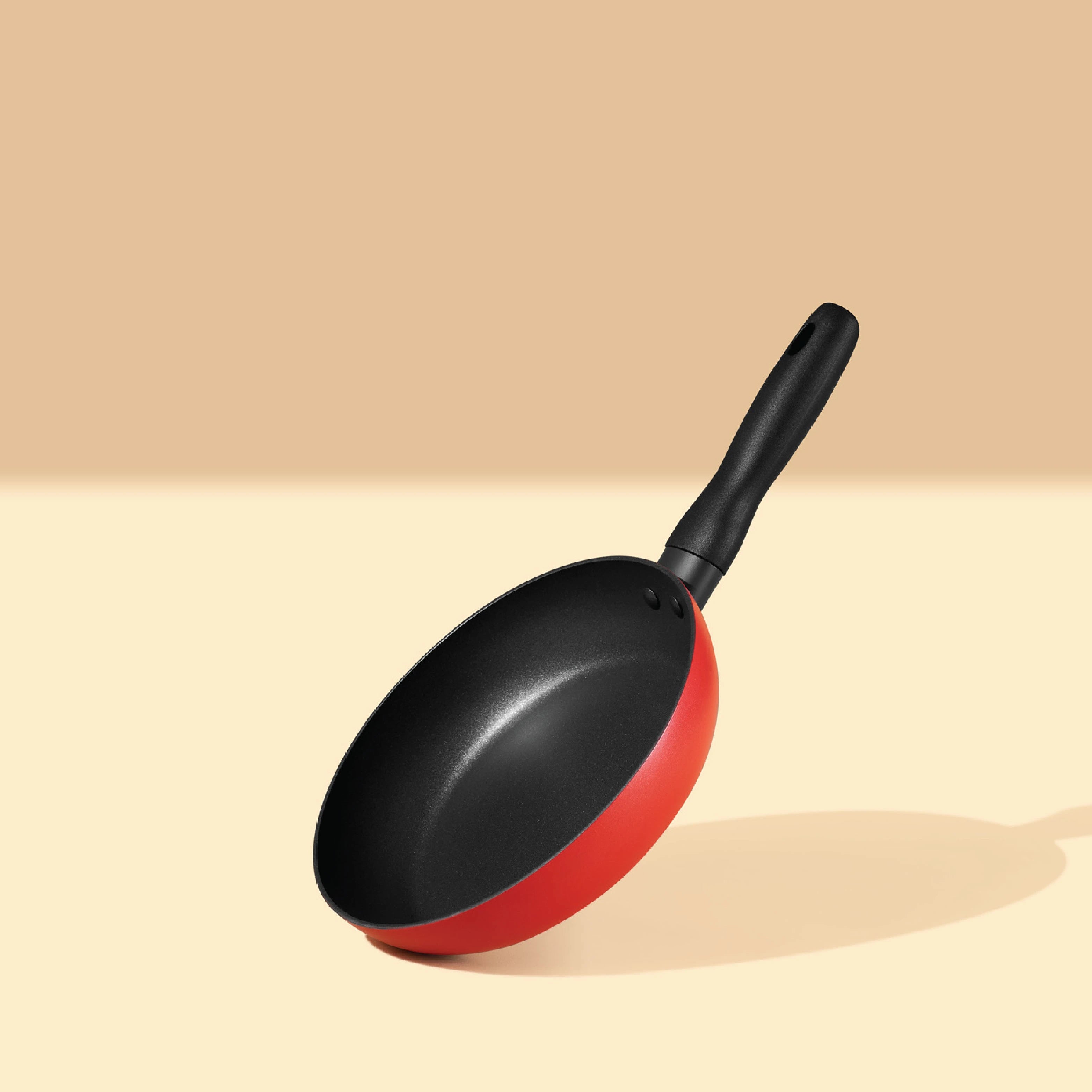
Non-stick cookware is designed for easy cooking and minimal oil usage. While convenient for cooking, it should not be used for storing food overnight.
Why Non-Stick Is Not Ideal for Storage
Prolonged exposure to moisture, salt, and spices can gradually impact the non-stick coating. Additionally:
-
Refrigeration and reheating cycles stress the coating
-
Hardened food may require scraping, increasing scratch risk
-
Temperature fluctuations reduce coating lifespan
Non-stick surfaces perform best when used only for cooking and cleaned promptly afterward. Leaving food inside overnight accelerates wear and reduces durability.
4. Unlined Copper Cookware
Copper cookware is excellent for precise temperature control, but unlined copper is highly reactive.
Storage Risks
When acidic or salty food is stored in unlined copper:
-
Strong chemical reactions occur
-
Food may discolor
-
Off-flavors develop
-
Potentially unsafe compounds can form
Most modern copper cookware is lined with stainless steel or tin. Even so, it is best practice to transfer food to separate storage containers rather than refrigerating it in cooking vessels.
5. Brass or Traditional Reactive Metals
In some Indian homes, traditional brass or mixed-metal vessels are still used occasionally. These materials are reactive and unsuitable for storing cooked food overnight.
Acidic dishes can trigger chemical reactions, affecting taste and safety. These vessels are better suited for dry storage or ceremonial use rather than refrigeration.
6. Carbon Steel (If Unseasoned or Lightly Seasoned)
Carbon steel behaves similarly to cast iron. If seasoning is weak or incomplete, storing moist or acidic food overnight can lead to:
-
Rust development
-
Surface staining
-
Metallic taste
Like cast iron, carbon steel cookware should be cleaned and dried promptly after cooking.

What Cookware Is Safe for Storing Cooked Food?
Instead of storing leftovers in cooking vessels, use materials specifically suited for storage.
Food-Grade Stainless Steel
High-quality stainless steel is non-reactive and durable. It does not interact with acidic ingredients and preserves flavor. Stainless steel containers with tight-fitting lids are ideal for Indian leftovers.
Glass Containers
Glass is completely non-reactive and does not absorb odors. Transparent storage also allows easy identification of food.
Food-Safe Ceramic
Lead-free, food-grade ceramic containers are suitable for storage, provided they are designed for refrigeration.
Additional Best Practices for Safe Food Storage
Proper storage involves more than just choosing the right container.
Allow food to cool for about 30–60 minutes before refrigerating.
Do not leave cooked food at room temperature for more than 2 hours.
Use airtight containers to prevent moisture loss and contamination.
Avoid repeatedly reheating the same batch of food.
Reheat only the portion required.
These habits help maintain food safety and taste.
How Storing in the Wrong Cookware Affects Taste and Quality
Many people notice that leftover food tastes slightly different the next day. Sometimes this is due to spice absorption and flavor settling. However, metallic aftertaste or discoloration can result from storage in reactive cookware.
Indian dishes often include:
-
Tomatoes
-
Tamarind
-
Yogurt
-
Lemon juice
-
Vinegar
-
Salt-heavy masalas
These ingredients increase the likelihood of chemical interaction when stored in reactive metals.
Protecting Your Cookware Investment
Cookware longevity depends on proper usage. Storing food overnight in inappropriate cookware can:
-
Shorten coating lifespan
-
Damage seasoning
-
Cause rust
-
Lead to staining
-
Reduce overall performance
By transferring leftovers immediately, you protect both your health and your cookware.
Conclusion
Cookware is engineered for cooking performance, not for long-term storage. Uncoated aluminum, cast iron, non-stick cookware, unlined copper, brass, and lightly seasoned carbon steel should be avoided for storing cooked food overnight — especially in Indian kitchens where acidic ingredients are common.
For safe and effective food storage, always transfer leftovers into stainless steel, glass, or food-safe ceramic containers. This simple habit preserves flavor, maintains hygiene, protects cookware surfaces, and ensures that your kitchen remains both safe and efficient.
Making mindful storage choices not only enhances food safety but also extends the life of your cookware — a small change that makes a meaningful difference in everyday cooking.
MORE FROM BLOG
Top Collections

Can Cast Iron cookware surface become Non-stick?
2 Items
Cast iron cookware for Indian Curries
2 Items
Cast Iron Cookware: The Benefits of Cooking with Tradition
2 Items
Cast Iron Cookware: The Ultimate Guide to Cooking on an Open Fire
2 Items
How Does Ceramic Cookware Prevent Food from Sticking Naturally?
2 Items
How does cookware impact your health?
2 Items
How to Store Ceramic Cookware to Prevent Chipping
2 ItemsFrom Our Shop


Leave a comment