



Walk into a traditional Indian restaurant kitchen, a dhaba, or even a modern fine-dining Indian setup, and one thing becomes immediately clear—steel kadais dominate the cooking line. Amidst the clang of ladles and the roar of gas flames, stainless steel kadais sit confidently on burners, handling everything from intense tadkas to slow-cooked masalas.
This preference is not accidental, nor is it driven by trends. Indian chefs—many trained through years of hands-on experience—choose steel kadais because they perform consistently under pressure. These vessels align perfectly with Indian cooking techniques, heat requirements, and kitchen realities.
Table of Contents
- 1. Indian Cooking Demands Control, Not Convenience
- 2. High-Heat Confidence
- 3. Perfect for Bhunao and Masala Cooking
- 4. Deep Frying Done Right
- 5. Metal Utensils Welcome—No Restrictions
- 6. Neutral, Non-Reactive Cooking Surface
- 7. Easy Maintenance in Demanding Kitchens
- 8. Tradition Meets Modern Engineering
- 9. Consistency Across Dishes
- 10. The Meyer Perspective
- 11. Conclusion
Indian Cooking Demands Control, Not Convenience
Indian cuisine is technique-driven. Whether it is blooming spices in hot oil, bhunao-style cooking, deep frying snacks, or reducing gravies to the right consistency, heat control is everything.
Steel kadais give chefs the ability to feel the heat. Unlike coated cookware that can mask temperature changes, stainless steel responds honestly to flame adjustments. Chefs can increase, reduce, or stabilise heat instantly—an essential quality in fast-paced professional kitchens.
This direct heat response allows chefs to:
-
prevent burning of spices
-
achieve correct caramelisation
-
maintain oil temperature during frying
-
control moisture evaporation
For chefs, predictability matters more than shortcuts.
High-Heat Confidence: Built for Indian Flames
Indian cooking often uses higher heat than many global cuisines. From restaurant-grade burners to commercial gas ranges, cookware must withstand prolonged exposure to intense flames.
Steel kadais excel here. Stainless steel remains structurally stable at high temperatures and does not degrade, warp, or emit fumes. This makes it far safer for professional use than coated alternatives, which may deteriorate under constant high heat.
Chefs trust steel kadais because they know the vessel will not fail mid-service—whether it’s during a dinner rush or a festive bulk cook.

Perfect for Bhunao and Masala Cooking
One of the most distinctive Indian cooking techniques is bhunao, where spices, onions, and pastes are sautéed and roasted until oil separates and flavours deepen.
Steel kadais are ideal for this method because they:
-
allow moisture to evaporate evenly
-
encourage controlled sticking, which enhances flavour
-
support continuous stirring and scraping
That slight fond that forms at the base during bhunao is not a flaw—it’s flavour. Chefs rely on stainless steel to build this complexity without burning, something nonstick cookware simply cannot replicate.
Meyer Select Stainless Steel Sauteuse 28cm
Deep Frying Done Right
From pakoras and pooris to koftas and vadas, deep frying is integral to Indian cuisine. Steel kadais offer unmatched advantages for frying:
They retain heat well, allowing oil temperature to recover quickly between batches. This results in crisp exteriors and reduced oil absorption. The depth and shape of traditional steel kadais also make them ideal for handling oil safely and efficiently.
For chefs who fry in large quantities daily, steel kadais are reliable, stable, and easy to clean—qualities that matter far more than surface coatings.
Metal Utensils Welcome—No Restrictions
Professional kitchens move fast. Chefs use metal spatulas, ladles, jharas, and spoons constantly. Steel kadais welcome this rough-and-ready use.
There is no fear of scratching, peeling, or damaging a surface. This freedom allows chefs to cook intuitively, without having to baby the cookware or slow down their movements.
In high-volume Indian kitchens, durability is not optional—it’s essential.
Neutral, Non-Reactive Cooking Surface
Indian food frequently includes acidic ingredients such as tomatoes, tamarind, kokum, vinegar, and lemon juice. Stainless steel is non-reactive, meaning it does not alter the taste, colour, or aroma of food.
Chefs rely on steel kadais because they allow flavours to shine exactly as intended. There is no metallic aftertaste, no colour change, and no compromise on authenticity.
This neutrality is especially important in gravies, curries, and slow-simmered dishes where flavour balance is critical.
Easy Maintenance in Demanding Kitchens
Professional Indian kitchens are not gentle environments. Cookware is used continuously, washed repeatedly, scrubbed thoroughly, and put back on high flames.
Steel kadais thrive in this cycle. They:
-
tolerate strong cleaning
-
resist staining
-
do not trap odours
-
maintain performance over years
For chefs, ease of maintenance is not about aesthetics—it’s about efficiency. Stainless steel keeps kitchens running smoothly.
Tradition Meets Modern Engineering
There is also an emotional and cultural connection. Steel kadais have been part of Indian kitchens for generations. Chefs grow up watching their mentors cook in them, learning how food behaves in steel, how heat moves, how flavours develop.
Modern stainless steel kadais—like those thoughtfully engineered by Meyer—refine this tradition with better heat distribution, stronger bases, and improved balance, without losing the essence chefs trust.
This blend of tradition and technology is why steel kadais continue to dominate both old-school and contemporary Indian kitchens.
Consistency Across Dishes
From quick stir-fries to slow gravies, steel kadais adapt seamlessly. Chefs don’t need different pans for different tasks—they need one reliable vessel that can handle everything.
This versatility simplifies kitchen workflow and ensures consistent results, regardless of the dish.
The Meyer Perspective: Built for Chef-Style Cooking
Meyer designs stainless steel cookware with real cooking behaviour in mind—strong flames, constant stirring, repeated heating, and long cooking hours.
Meyer’s steel kadais are crafted to support:
-
even heat distribution
-
high-temperature cooking
-
long-term durability
-
authentic Indian techniques
It’s cookware that respects both tradition and performance—qualities chefs instinctively value.
Conclusion: Why Steel Kadais Earn a Chef’s Trust
Indian chefs prefer steel kadais not because they are fashionable, but because they are honest tools. They respond accurately to heat, support traditional techniques, endure intense use, and deliver consistent results day after day.
In kitchens where precision, speed, and flavour matter more than convenience coatings, stainless steel kadais stand unmatched.
Whether it’s a bustling restaurant or a serious home kitchen inspired by chef techniques, the steel kadai remains a symbol of control, confidence, and culinary mastery.
Because in Indian cooking, the right vessel doesn’t just hold food—it shapes flavour.
MORE FROM BLOG
Top Collections
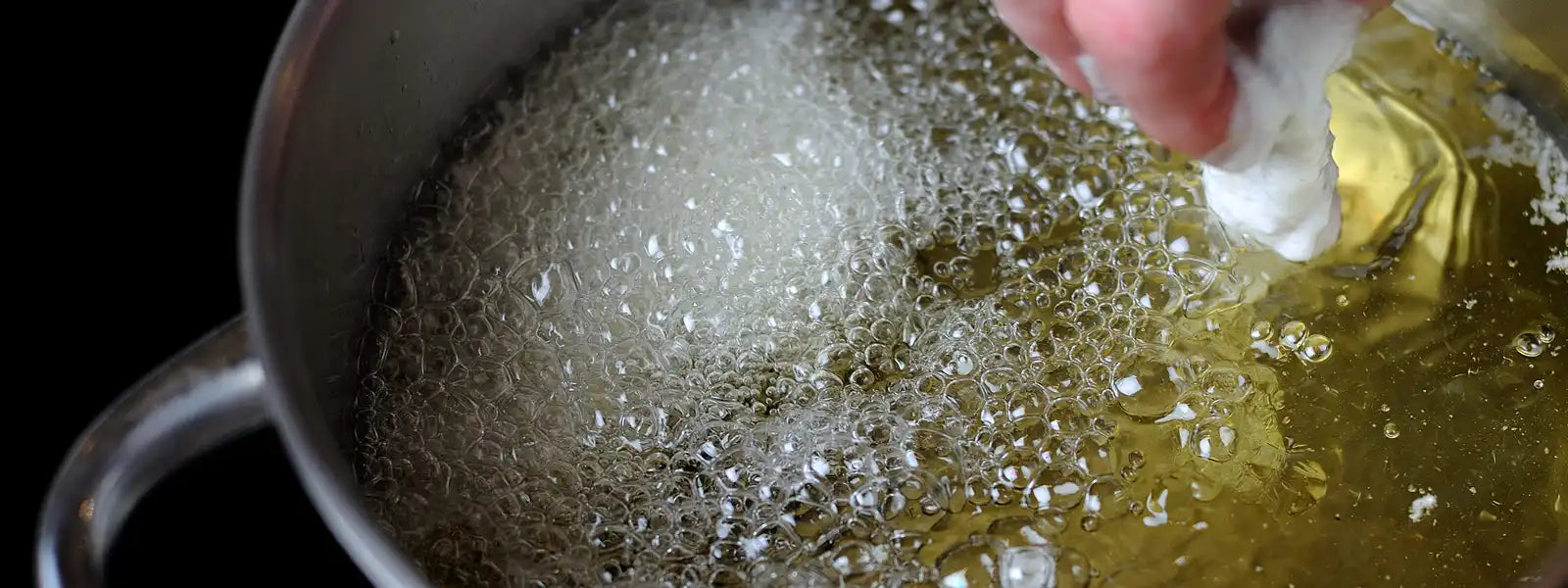
Best Stainless Steel Kadai for Deep Frying
2 Items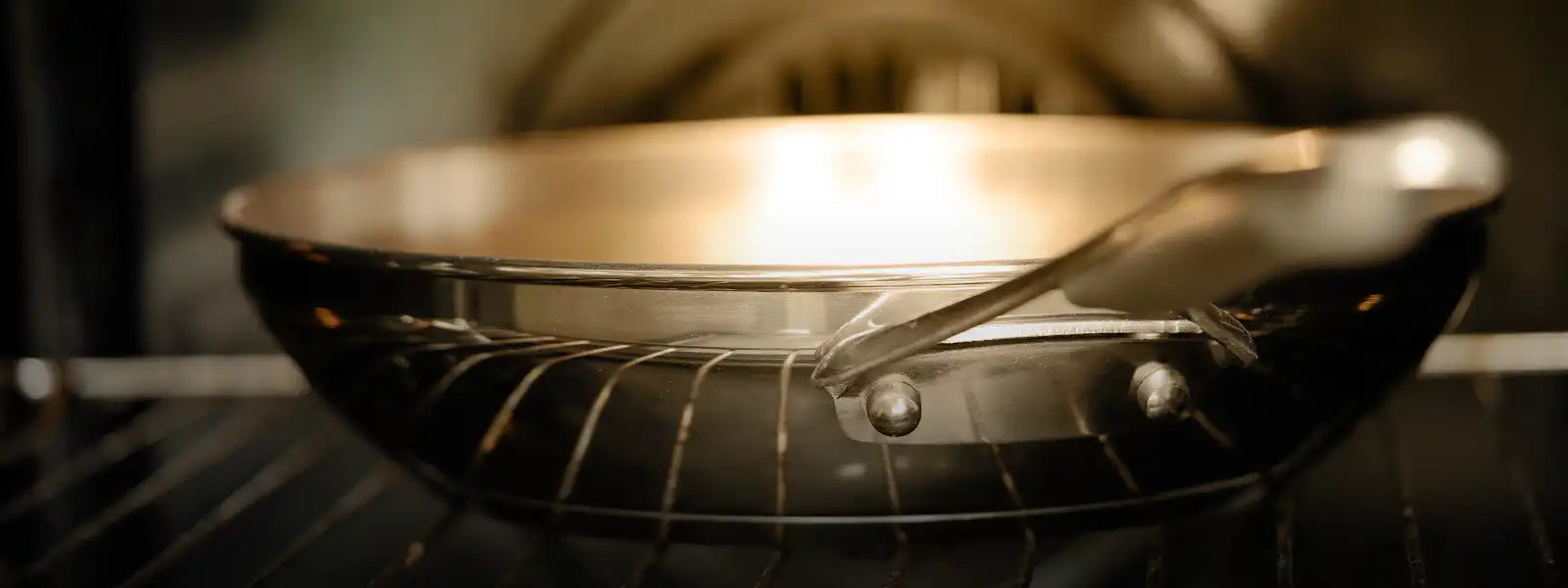
Can I use stainless steel cookware in an electric oven?
2 Items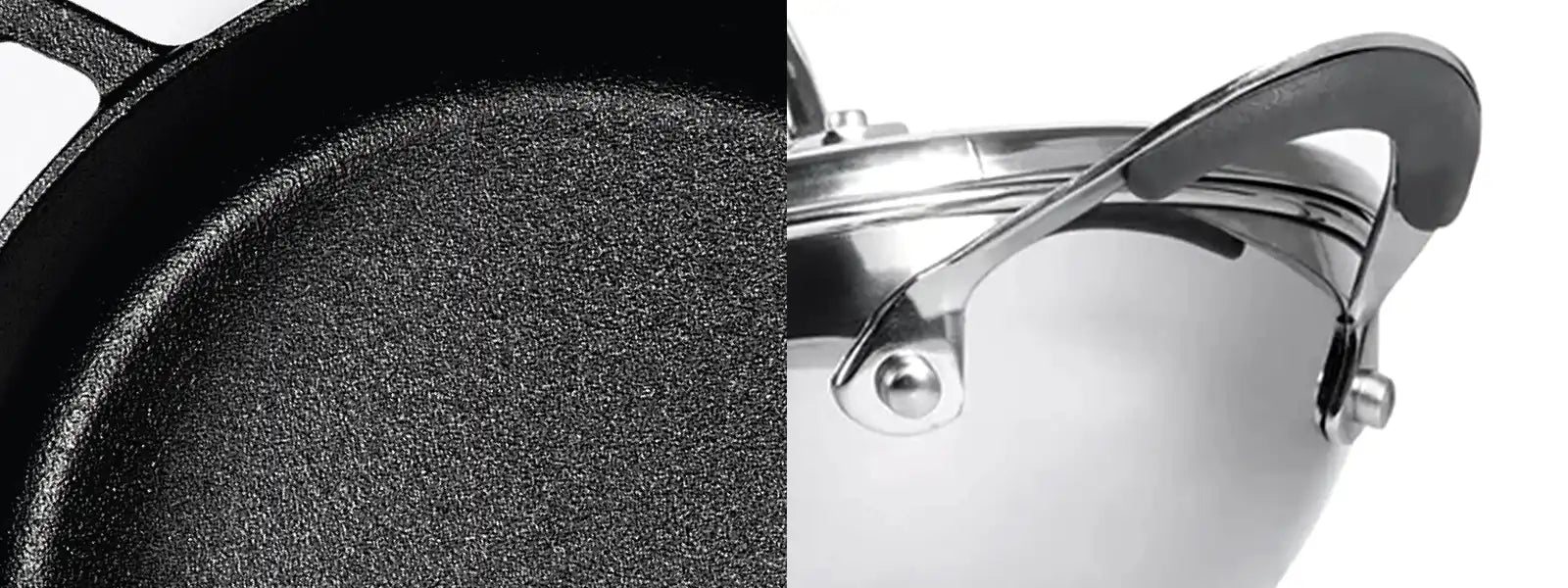
Cast iron pan vs. stainless steel pan — which should I buy?
2 Items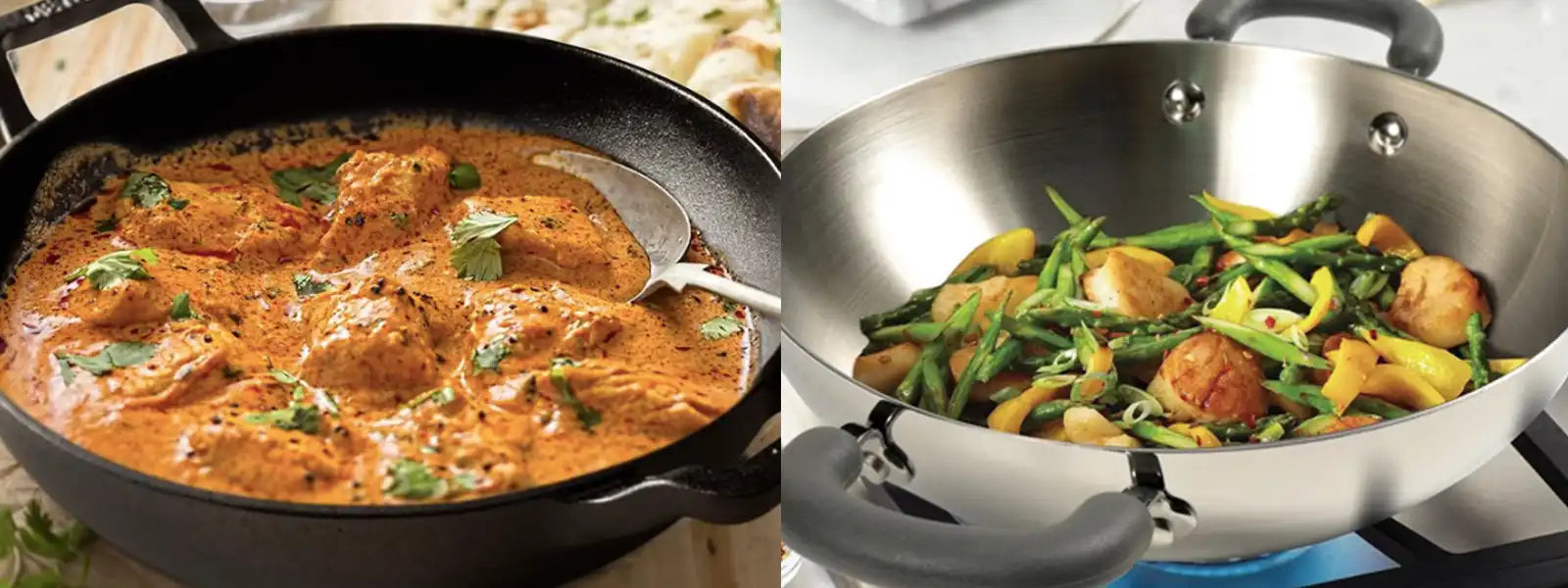
Cast Iron vs. Stainless Steel Cookware (What's the Difference?)
2 Items
Best Stainless Steel Cookware in India - A Celebrity Chef's Favourites
2 Items
Choosing Between Steel and Aluminium Pressure Cookers
2 Items


Leave a comment