



You bring home a brand-new cast iron kadai or tawa. You’re excited to cook aloo fry, dosa, or bhindi. But after the first few uses, you notice something worrying — black residue on the food or dark streaks in the oil.
Is the cookware defective? Is it unsafe? Should you stop using it?
The short answer: No. In most cases, this is a normal and temporary phase in the life of new cast iron cookware.
Let’s understand why this happens, how to fix it properly, and how premium-quality cookware like Meyer Cast Iron Cookware is designed to minimize these issues when used correctly.
Table of Contents
Understanding How Cast Iron Works
Unlike synthetic non-stick pans, cast iron does not come with a chemical coating. It develops its naturally non-stick surface through a process called seasoning — where oil bonds to the iron surface under heat and forms a protective layer.
Even when cookware is factory pre-seasoned, that layer continues to evolve in your kitchen. Indian cooking — with its high-heat tadkas, masalas, and oil-based frying — plays a major role in strengthening that seasoning over time.
During the early phase, however, some adjustments are normal.

Common Reasons Food Turns Black in New Cast Iron
1. Fresh or Unsettled Seasoning
New cast iron cookware often goes through a “settling” period. The initial seasoning layer may still be stabilizing. During the first few uses:
-
Excess oil may carbonize.
-
Microscopic seasoning particles may loosen.
-
The surface may appear slightly uneven.
These particles can mix with food and appear as black residue.
This does not mean the cookware is damaged. It simply means the seasoning layer is maturing.
Premium options like Meyer Cast Iron Kadai and Tawa are pre-seasoned for convenience, but like all authentic cast iron, they continue improving with regular cooking.
2. Cooking Acidic Dishes Too Soon
Tomato gravy, tamarind-based curries, kadhi, and lemon-heavy recipes are staples in Indian homes. However, acidic ingredients can weaken a newly formed seasoning layer.
If used too early in a new pan, you may notice:
-
Dark streaks in curry
-
Slight metallic aftertaste
-
Patchy appearance inside the cookware
The solution is simple: allow the pan to build seasoning strength with oil-based dishes first.
3. Overheating the Cookware
Cast iron retains heat exceptionally well. In many Indian kitchens, we tend to:
-
Preheat on high flame
-
Add oil to an overheated pan
-
Cook at unnecessarily high temperatures
When oil hits an excessively hot surface, it burns instantly and forms carbon deposits. These deposits can mix with food and look like black particles.
High-quality, thick construction cookware like Meyer Cast Iron Cookware distributes heat evenly, meaning medium flame is usually sufficient for most dishes.
4. Too Much Oil During Seasoning
One common mistake is applying a thick layer of oil while seasoning.
Proper seasoning requires a very thin oil layer. If excess oil is left on the surface:
-
It pools instead of bonding.
-
It forms sticky patches.
-
It flakes off during cooking.
The surface should look almost dry after wiping — not glossy or greasy.
5. Improper Cleaning and Storage
Soaking cast iron in water, using harsh detergents, or scrubbing aggressively can disturb the seasoning layer.
If the pan is not dried completely, slight oxidation may occur, contributing to dark discoloration in the next cooking session.
Always:
-
Wash gently.
-
Dry immediately on low heat.
-
Apply a light coat of oil before storing.
Is It Safe to Eat Food That Turns Slightly Black?
In most cases, yes.
Small amounts of carbonized oil or trace iron are not harmful. In fact, cooking in cast iron can slightly increase the iron content in food — which may benefit individuals with mild iron deficiency.
However, if you notice:
-
Large visible flakes
-
Strong metallic taste
-
Rust spots
It’s time to clean and re-season the cookware properly.
How to Fix Black Residue in Cast Iron
Step 1: Clean the Surface
- Rinse with warm water.
- Use a soft brush or non-abrasive scrub.
- Avoid soaking.
- Dry thoroughly on low heat.
Step 2: Re-Season Correctly
-
Apply a thin layer of oil (mustard, rice bran, or groundnut oil works well).
-
Wipe off all excess oil.
-
Heat on medium flame until light smoke appears.
-
Allow it to cool naturally.
Repeat this process 2–3 times if necessary.
With consistent care, cookware like Meyer Cast Iron Kadai develops a stable, smooth, jet-black surface that enhances cooking performance.
How Long Does This Phase Last?
Typically, 5–10 proper cooking cycles are enough to stabilize the seasoning.
Once matured, cast iron:
- Stops releasing residue
- Becomes naturally non-stick
- Enhances flavor depth
- Retains heat beautifully
- Lasts for decades
Unlike disposable cookware, cast iron improves over time — making it a long-term investment for serious home cooks.
Why Quality Matters
Not all cast iron is created equal. Poorly finished surfaces and inconsistent pre-seasoning can prolong the “black residue” phase.
Premium cookware like Meyer Cast Iron Cookware is crafted with:
-
Heavy, even construction for balanced heat distribution
-
Controlled factory pre-seasoning for a smoother start
-
Durability suited to Indian cooking styles
-
Long-term performance built for everyday use
When paired with proper technique, it delivers a reliable, safe, and rewarding cooking experience.
Final Thoughts
If food turns slightly black in new cast iron cookware, it is usually part of the natural seasoning adjustment process — not a defect.
Cast iron demands a little patience in the beginning. But once stabilized, it becomes one of the most dependable, chemical-free, and long-lasting cookware options for Indian kitchens.
Treat it right in the first few uses, and it will reward you with decades of exceptional cooking performance.
MORE FROM BLOG
Top Collections
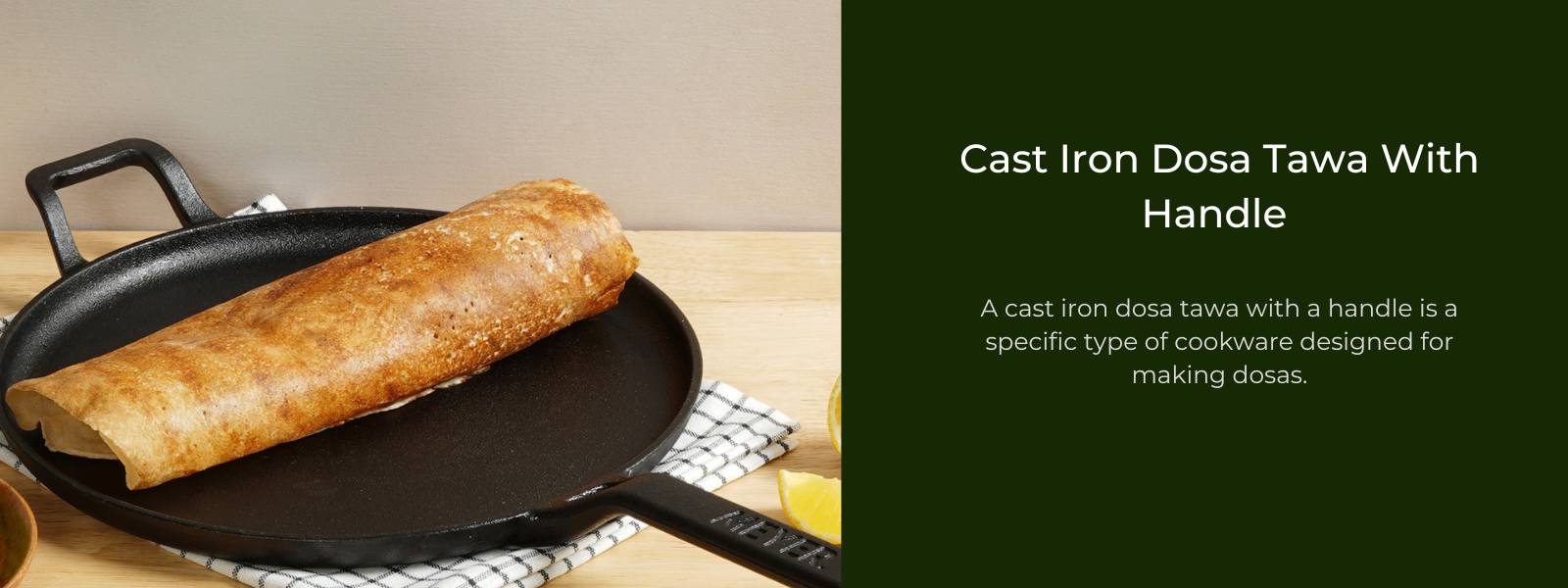
Cast Iron Dosa Tawa With Handle For Ease Of Use
2 Items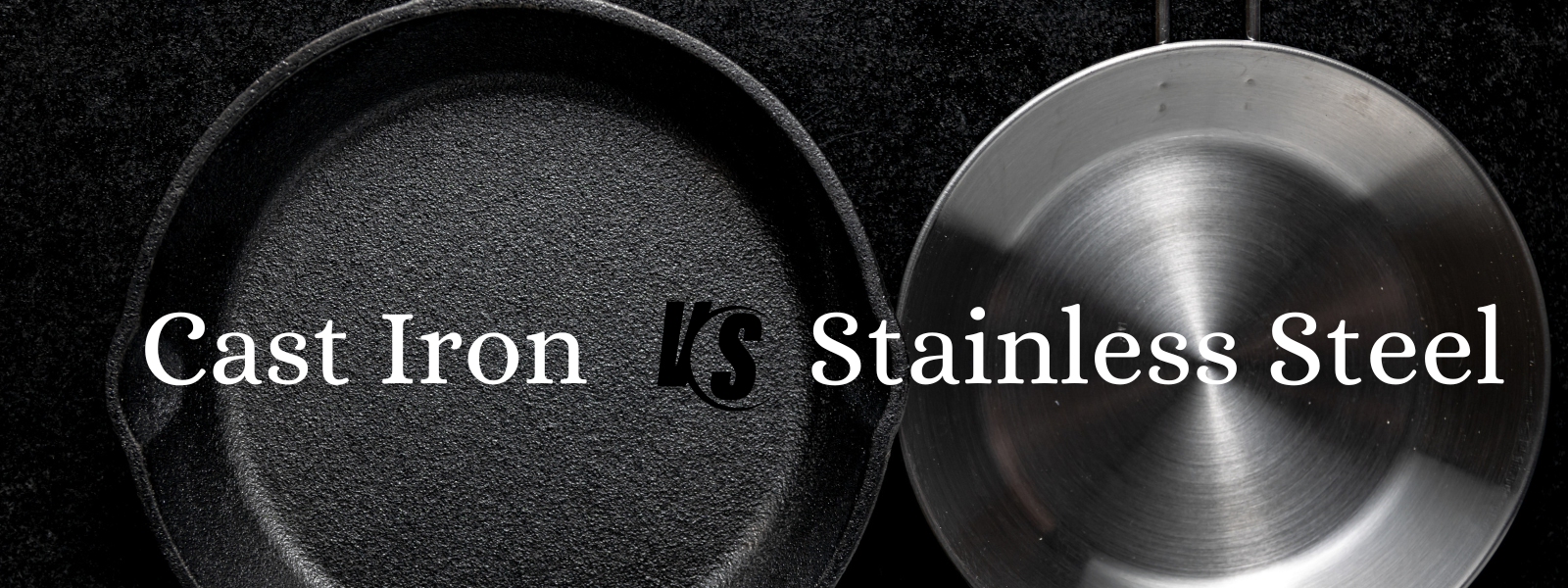
Cast Iron vs. Stainless Steel: Which is Better for Your Kitchen?
2 Items
Does cast iron make food taste better?
2 Items
Enameled Cast Iron Vs Cast Iron. Which is better?
2 Items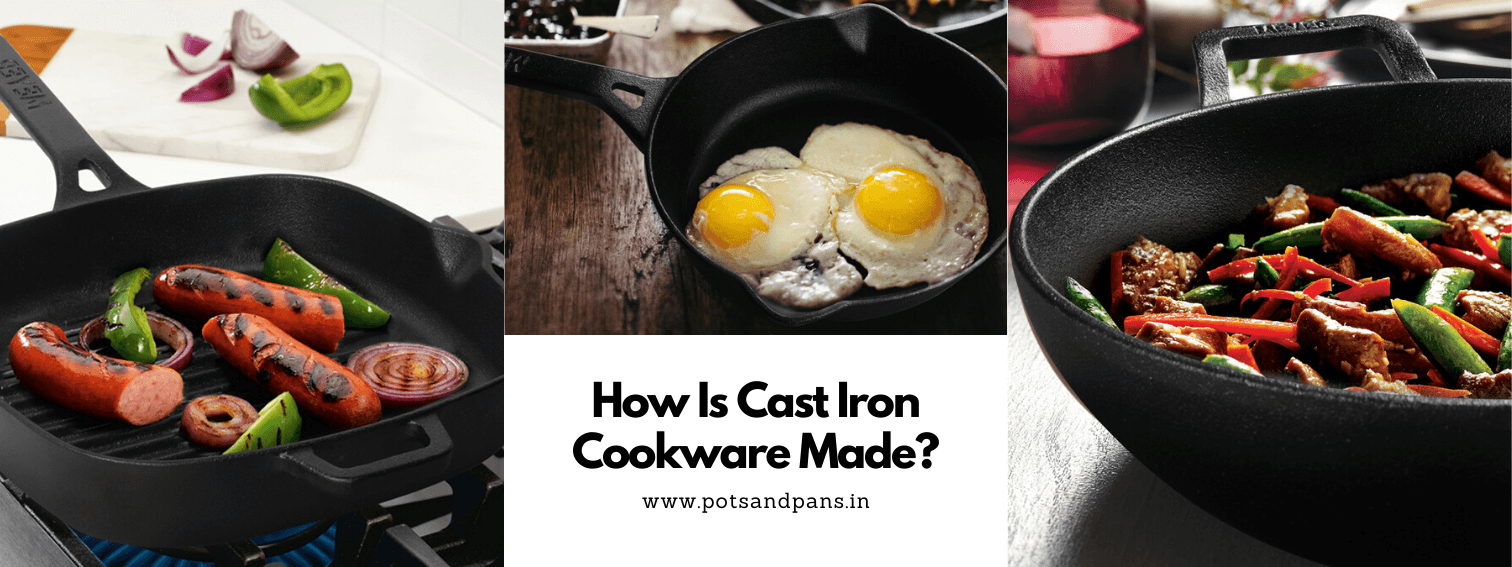
How Is Cast Iron Cookware Made?
2 Items
How to Clean and Care for Enameled Cast Iron?
2 Items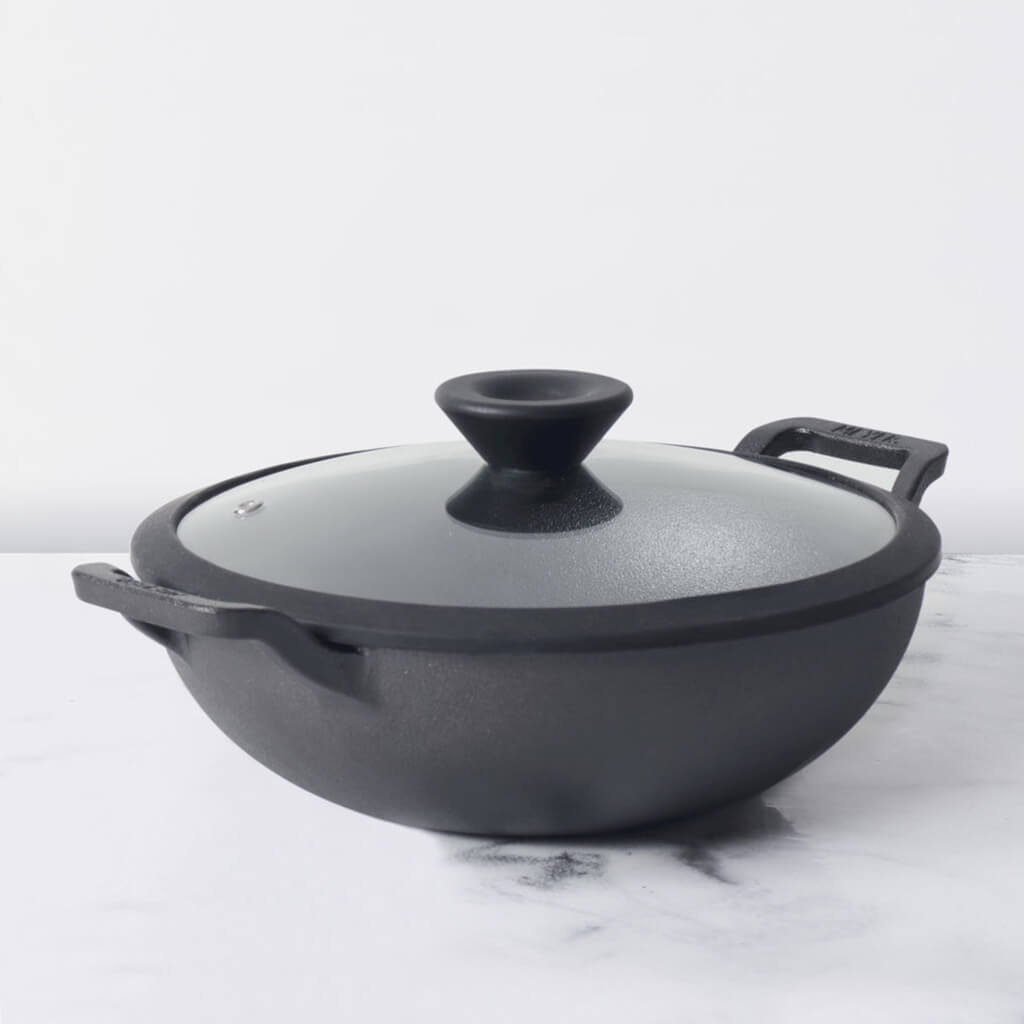


Leave a comment