



Indian cooking is built on fire, timing, and transformation. From the moment mustard seeds crackle in hot oil to the slow browning of onions that forms the base of countless gravies, heat plays a defining role in how Indian food develops flavour, aroma, and texture. Unlike cuisines that rely on quick, low-heat cooking, Indian kitchens regularly use intense flames for tadka, deep sautéing, roasting whole spices, searing rotis and parathas, and reducing gravies to the perfect consistency. This makes cookware selection especially important.
Not every material can handle such demanding conditions without warping, burning food, or releasing harmful substances. Cast iron, however, has been trusted in Indian households for generations precisely because it thrives under high heat. Its naturally dense construction allows it to absorb, distribute, and retain heat evenly, giving cooks greater control during high-temperature cooking. Today, as Indian home cooks return to traditional methods and seek durable, toxin-free cookware that enhances flavour rather than interfering with it, cast iron—especially modern, pre-seasoned options like Meyer pre-seasoned cast iron cookware—has once again become an essential tool for high-heat Indian cooking.
Table of Contents
Exceptional Heat Tolerance Without Damage
Cast iron is naturally designed to handle very high temperatures without warping, releasing toxins, or losing structural integrity. Unlike nonstick cookware, which can degrade at high heat, or thin aluminium pans that develop hot spots, cast iron remains stable even when placed on a high flame. This makes it ideal for Indian cooking techniques such as bhunao, tadka, roasting whole spices, and cooking on direct gas heat.
High-quality options like Meyer Pre-Seasoned Cast Iron Cookware are engineered to handle everyday Indian cooking—whether it’s rapid heating for tempering or sustained high heat for frying—without compromising safety or performance.

Even Heat Distribution for Masala Cooking
One of the biggest challenges in high-heat Indian cooking is uneven heat, which can burn spices at the bottom while leaving the rest undercooked. Cast iron distributes heat evenly across its surface and holds it consistently, allowing spices to bloom properly and onions to caramelise evenly. This ensures masalas cook thoroughly, releasing oils and aromas instead of tasting raw or bitter.
For dishes like chicken curry, rajma, chole, or vegetable gravies, this even heating is critical to achieving depth of flavour.
Meyer Enamel Cast Iron Flat Dosa Tawa, 28cm, Grey
Ideal for Tadka, Frying, and Roasting
High-heat applications like tadka require oil to reach the correct temperature quickly so spices crackle instantly without soaking excess oil. Cast iron heats oil efficiently and maintains that temperature, ensuring mustard seeds pop, cumin sizzles, and garlic browns—not burns.
Similarly, for shallow frying pakoras, aloo fry, or paneer, cast iron maintains oil temperature even when food is added, leading to better texture and less oil absorption.
Retains Heat for Longer Cooking Cycles
Indian cooking often alternates between high heat and slow simmering. Cast iron’s ability to retain heat means once it’s hot, it stays hot for longer—reducing frequent flame adjustments. This is especially useful for dishes that require long cooking after an initial high-heat sauté, such as dal tadka, sambhar, and meat curries.
This heat retention also improves energy efficiency, making cast iron practical for daily Indian cooking.
Enhances Flavour Under High Heat
High heat is essential for developing complex flavours—but only if controlled. Cast iron allows high-temperature cooking without scorching food. The stable heat helps achieve proper browning and caramelisation, which are key to flavour development in Indian dishes. Over time, a well-seasoned cast iron surface further improves this process, adding richness and depth to everyday meals.
Safe and Toxin-Free at High Temperatures
A major advantage of cast iron for high-heat Indian cooking is safety. There is no synthetic coating to degrade, no chemical fumes, and no restriction on flame intensity. This makes cast iron a reliable choice for health-conscious Indian households that cook frequently and at high temperatures.
Conclusion
Cast iron is not just suitable for high-heat Indian cooking—it is made for it. Its ability to withstand intense heat, distribute warmth evenly, retain temperature, and enhance flavour makes it one of the most dependable cookware materials for Indian kitchens. With modern innovations like Meyer pre-seasoned cast iron cookware, home cooks can enjoy all the traditional benefits of cast iron with improved convenience, durability, and ease of use. For anyone who cooks Indian food regularly, cast iron remains one of the most practical and flavour-enhancing choices available.
MORE FROM BLOG
Top Collections

7 Delicious Recipes You Can Prepare in Your Cast Iron Kadai
2 Items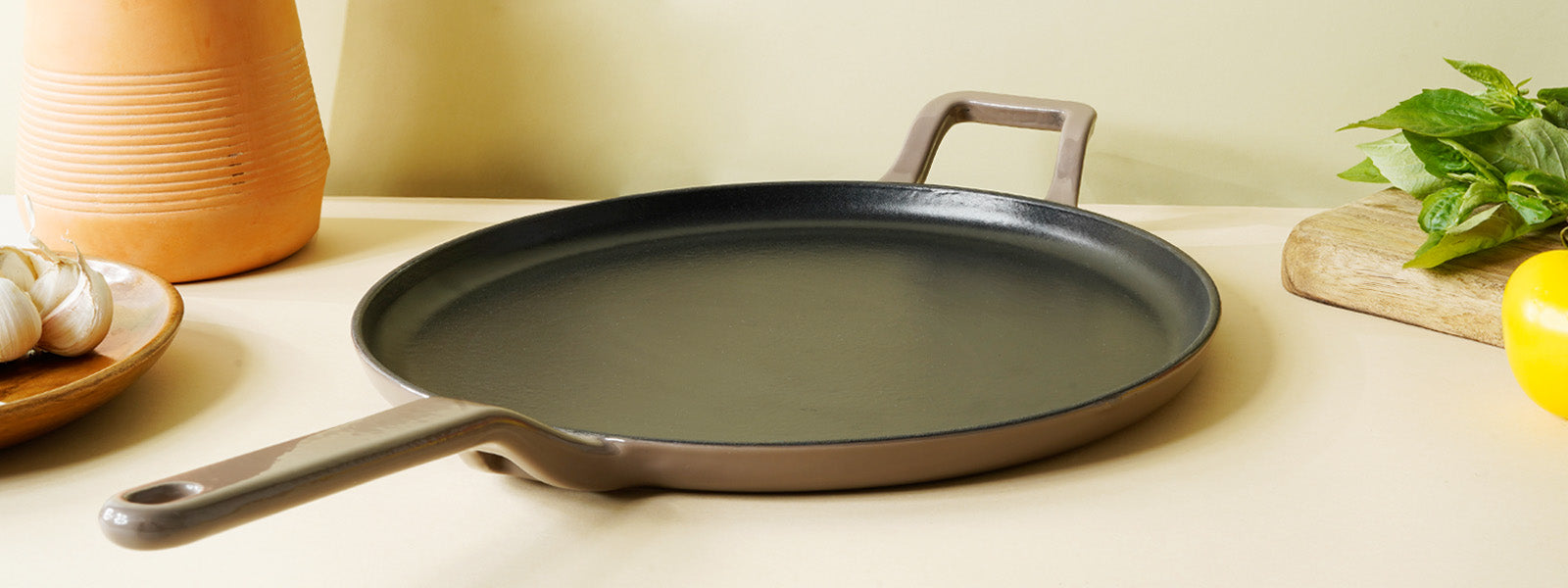
Add Enamelled Cast Iron Dosa Tawa to your kitchen this Diwali
2 Items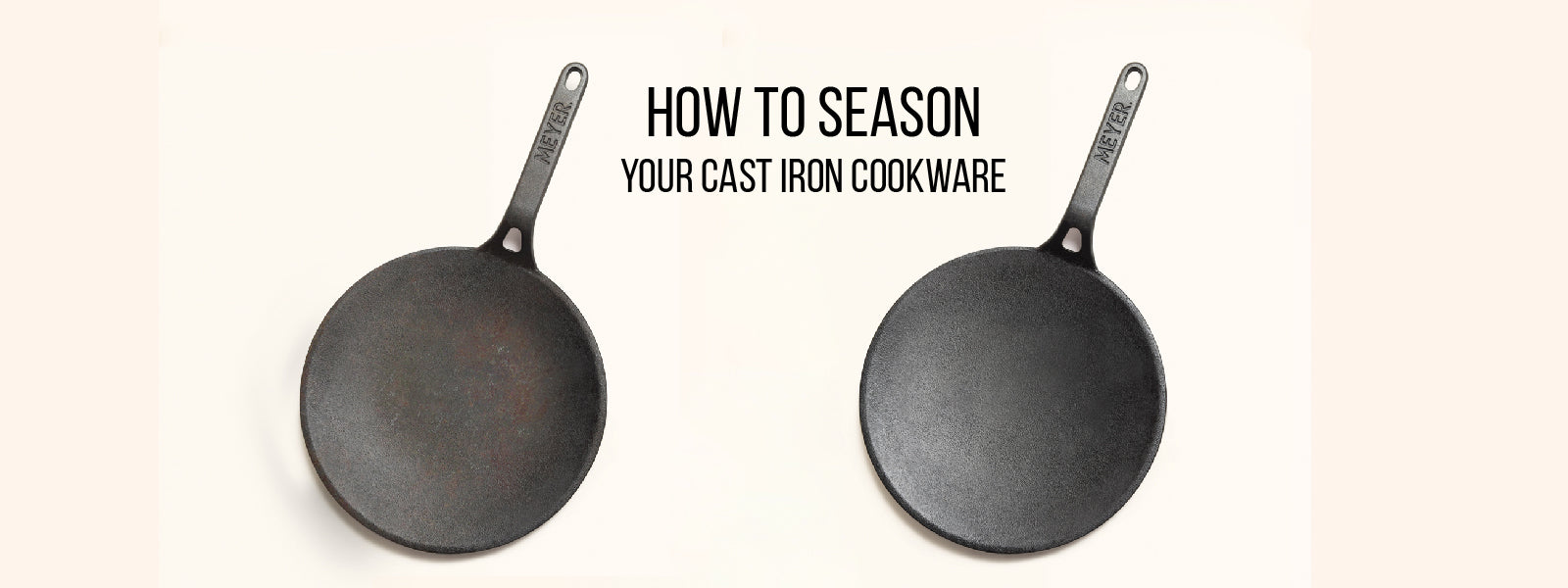
How To Season Cast Iron Cookware?
2 Items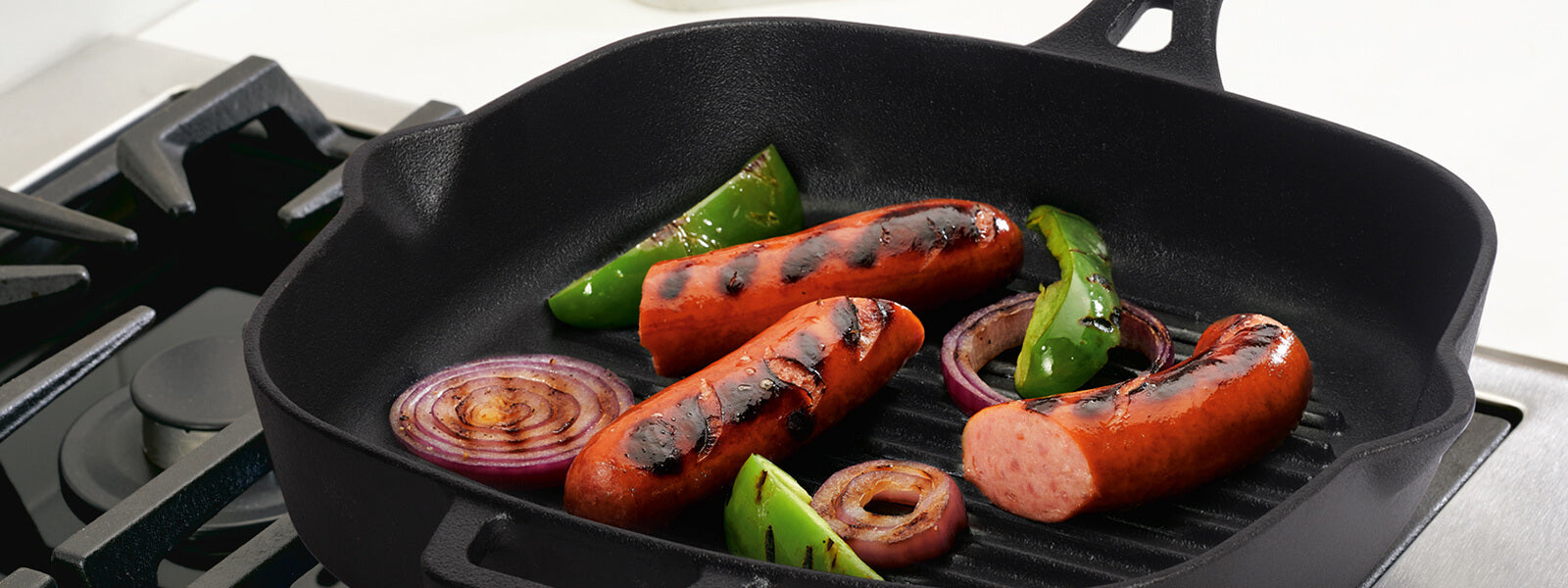
A-Z Guide To Cast Iron Cookware; Use & Utility
2 Items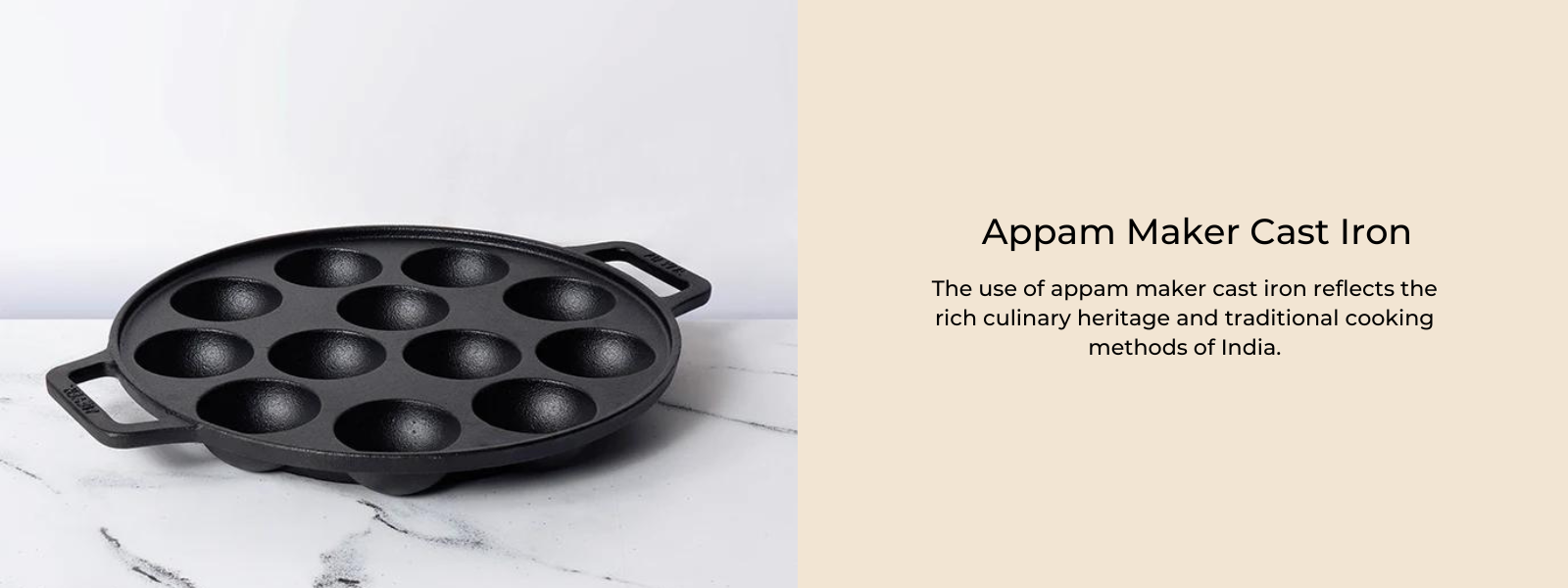
Appam Maker Cast Iron: Symbol Of Culinary Heritage
2 Items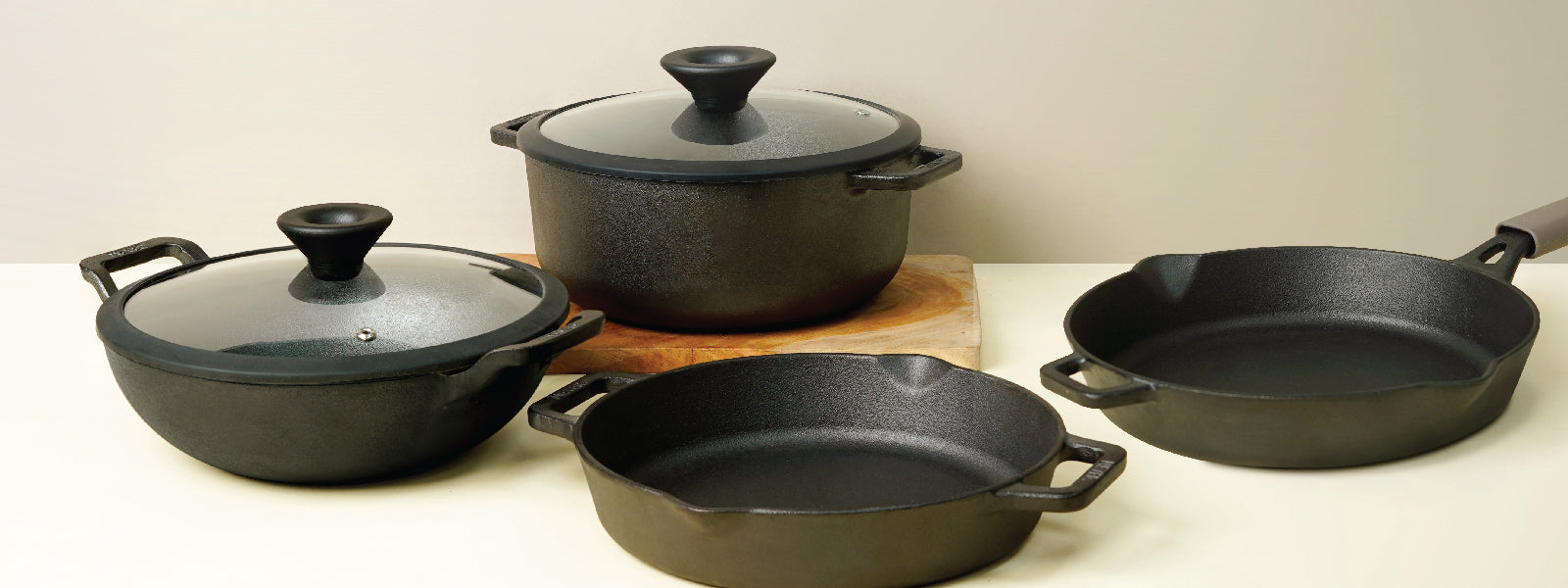
Benefits and Recipes for Cooking with a Cast Iron Kadai with Lid
2 Items
Best Cast Iron Appe Tawa For Paniyaram
2 Items


Leave a comment