


A well-made dosa is a delicate balance of texture and technique. It should spread effortlessly across the tawa, develop a crisp golden base, and lift cleanly without breaking. But when the dosa sticks, tears, or refuses to crisp evenly, the experience can quickly turn frustrating—even when your batter seems perfect.
In reality, dosa sticking is rarely caused by just one factor. It is usually the result of a combination of issues related to heat, surface condition, cookware material, and cooking technique. The tawa plays a far more important role than most people realize, and even small mistakes in how it is used can affect the final result.
Understanding these underlying reasons can help you correct your approach and consistently make dosas that are crisp, evenly cooked, and easy to handle.
Table of Contents
- 1. The Real Reason Dosa Sticks
- 2. The Tawa Is Not Properly Seasoned
- 3. The Tawa Is Too Hot
- 4. The Tawa Is Too Cold
- 5. Surface Residue or Moisture
- 6. Using Too Much or Too Little Oil
- 7. Choosing the Wrong Type of Tawa
- 8. Not Letting the Dosa Cook Fully
- 9. Batter Consistency and Its Role
- 10. The Role of Cookware Quality
- 11. Simple Fixes to Prevent Sticking
- 12. Final Thoughts
The Real Reason Dosa Sticks
When dosa batter is poured onto the tawa, it needs to set quickly while still allowing you to spread it into a thin, even layer. This requires the surface to be at the right temperature and properly prepared.
If the tawa is too hot, too cold, greasy, or uneven, the batter bonds with the surface instead of forming a structured base. Proteins and starches in the batter interact directly with the cooking surface, and without the right conditions, this interaction leads to sticking rather than release.
The goal is to create a controlled environment where the batter cooks quickly enough to form a crust, but not so fast that it sticks immediately.

The Tawa Is Not Properly Seasoned
A poorly seasoned tawa is one of the most common causes of sticking, especially when using cast iron or traditional cookware.
Seasoning creates a thin, natural layer over the surface that acts as a barrier between the batter and the metal. Without this layer, the batter comes into direct contact with the surface and sticks almost instantly.
A well-seasoned tawa improves with use. Each time you cook and lightly oil the surface afterward, the seasoning strengthens, making it easier for dosas to release cleanly.
If your dosa is sticking repeatedly, it may be a sign that your tawa needs proper seasoning and consistent maintenance.
The Tawa Is Too Hot
Excess heat can cause the batter to stick before it even has a chance to spread properly.
When the tawa is too hot, the batter sets instantly on contact, making it difficult to spread into a thin circle. This often leads to uneven thickness, tearing, and sticking.
To fix this, allow the tawa to cool slightly between dosas. A simple technique is to sprinkle a few drops of water on the surface. If they evaporate quickly but gently, the temperature is ideal. If they disappear instantly with a sharp sizzle, the tawa is too hot.
Managing this balance is essential for consistent results.
The Tawa Is Too Cold
On the other hand, a tawa that is not hot enough creates a different problem.
When the surface lacks sufficient heat, the batter does not set quickly. Instead, it remains soft and sticky, making it difficult to spread and causing it to cling to the pan.
A properly preheated tawa ensures that the batter begins cooking immediately, forming a base that can crisp and release naturally.
Maintaining a steady medium heat is key to avoiding this issue.
Surface Residue or Moisture
Even a small amount of residue on the tawa can interfere with dosa-making.
Leftover oil, burnt particles, or moisture can create an uneven surface, preventing the batter from spreading smoothly. This often results in patchy dosas that stick in certain areas.
Before making each dosa, it is important to wipe the surface clean. Many cooks use a cloth or a piece of onion dipped in oil to lightly clean and prepare the tawa. This helps maintain a smooth and controlled cooking surface.
Using Too Much or Too Little Oil
Oil is important, but balance is everything.
Too little oil can increase friction between the batter and the surface, leading to sticking. Too much oil, however, creates a slippery layer that prevents the batter from gripping the surface enough to spread evenly.
A light, even coating works best. The goal is to reduce sticking without interfering with the spreading process.
Choosing the Wrong Type of Tawa
The type and quality of your tawa directly influence how your dosa turns out.
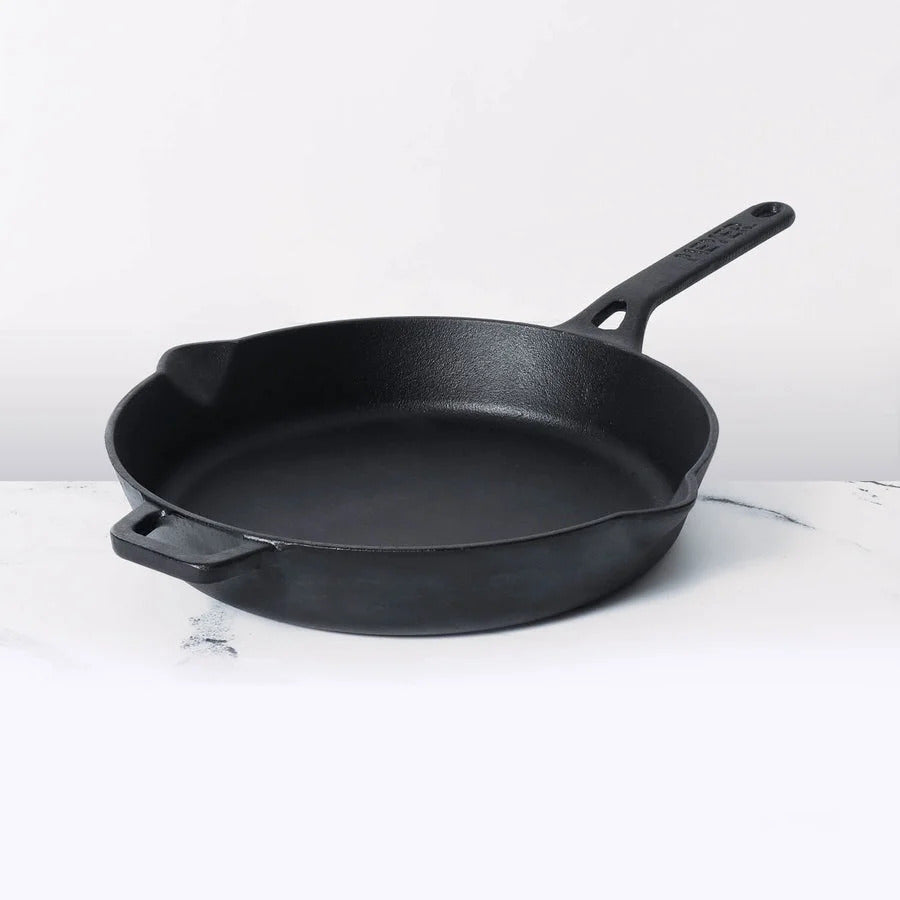
Cast iron tawas are widely preferred for dosa-making because of their excellent heat retention and natural non-stick properties when seasoned properly. They provide stable heat, which helps the dosa cook evenly.
Non-stick tawas offer convenience and are easier for beginners, but they require careful heat control. Overheating can damage the coating and affect performance.
A flat, well-balanced tawa with even heat distribution is ideal for achieving consistent results.
Not Letting the Dosa Cook Fully
Dosas need time to cook and release naturally from the surface.
If you try to lift or flip the dosa too early, it will stick and tear. As it cooks, the base becomes crisp and begins to separate from the tawa on its own.
You will notice the edges lifting slightly and the color turning golden. This is the right time to remove or flip the dosa.
Patience plays a key role in getting the perfect texture.
Batter Consistency and Its Role
While cookware is important, batter consistency cannot be ignored.
A thick batter does not spread easily and can lead to uneven cooking and sticking. A very thin batter may not hold its structure and can tear.
The ideal consistency is smooth and flowing, allowing you to spread it evenly without resistance. When combined with the right tawa and temperature, this creates the perfect dosa.
The Role of Cookware Quality
High-quality cookware provides better heat control and consistency.
A well-designed tawa distributes heat evenly, reducing the chances of hot spots and sticking. It also maintains temperature stability, which is crucial for dosa-making.
Meyer offers a wide range of tawas designed for consistent heat performance, helping ensure that your dosas spread evenly, cook properly, and release with ease.
Simple Fixes to Prevent Sticking
Preheat the tawa properly before each dosa
Maintain a steady medium heat throughout cooking
Ensure the surface is clean and dry
Use a light, even layer of oil
Allow the dosa to cook fully before lifting
Use a well-seasoned or high-quality tawa
Final Thoughts
Dosa sticking to the tawa is a common issue, but it is usually easy to fix once you understand the underlying causes.
By paying attention to heat, surface preparation, and cookware quality, you can significantly improve your results. Small changes in technique can lead to consistently better dosas that are crisp, golden, and easy to handle.
With the right approach, making perfect dosas becomes less of a challenge and more of an enjoyable, repeatable process.
MORE FROM BLOG
Top Collections

Best Non Stick Dosa Tawa For Daily Cooking
2 Items
Best Non Stick Roti Tawa in India For Minimal Oil Cooking
2 Items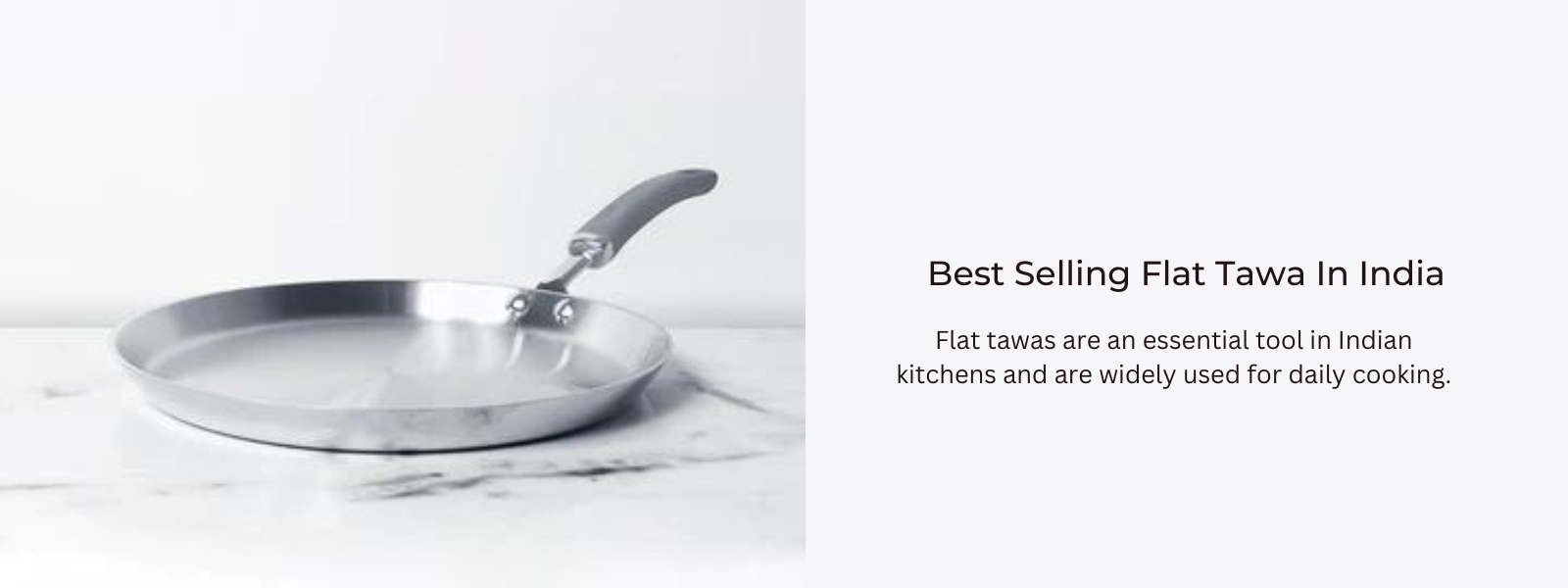
Best Selling Flat Tawa In India For Daily Cooking
2 Items
Best Tawa Dosa For Evenly Cooked Dosa
2 Items
Big Tawa Price: Best Tawa Rate Online
2 Items


Leave a comment