



Rajasthani cuisine is bold, rustic, and deeply satisfying. From the smoky flavour of baati to the rich, creamy texture of gatte ki sabzi, every dish demands the right balance of heat, technique, and cookware. Because these recipes often require slow-cooking, high heat, roasting, or deep frying, choosing the right cookware makes a noticeable difference in taste, texture, and convenience in an Indian kitchen.
Table of Contents
Why Cookware Choice Matters for Rajasthani Recipes
Rajasthani dishes traditionally rely on techniques such as:
- Slow roasting (for baati and bati churma)
- Prolonged simmering (for dal, kadhi, and gatte)
- High-heat frying (for pyaaz kachori, mirchi vada, batura)
- Tadka preparation using ghee or regional spices
- Clay-oven style heating for smoky flavours
Using cookware that withstands high temperatures, distributes heat evenly, and retains flavour ensures your dishes come out close to authentic dhaba style.

Best Cookware for Dal Baati and Gatte: What You Actually Need
1. Heavy-Duty Kadhai for Deep Frying Baati and Gatte
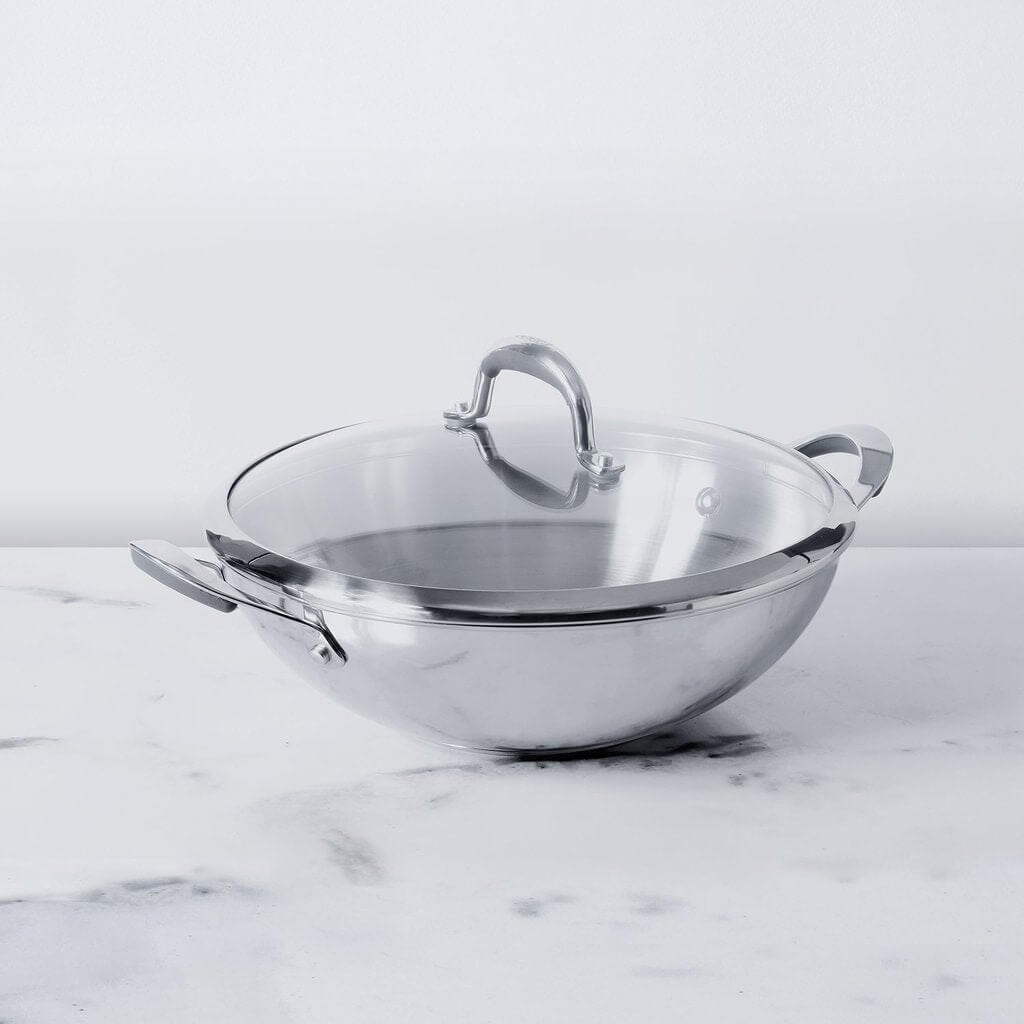
A sturdy kadhai is essential for deep frying baati (the fried version), methi pak, bajra vada, or gatte ke pulao.
Why It Works
- Retains heat for consistent frying
- Minimises oil absorption
- Prevents burning of dough-based food
Recommended Cookware
-
Meyer Cast Iron Kadhai – perfect for high-heat frying and maintaining stable temperatures.
-
Meyer Merlot Non-Stick Kadhai – good for low-oil frying versions of gatte or vegetables.
2. Tri-Ply Steel Handi for Slow-Cooked Dal
Authentic dal baati churma needs dal that is simmered gently for depth and creaminess. A thick-bottomed handi prevents scorching and allows flavour to develop slowly.
Best Features
-
Even heat distribution
-
No burning at the bottom
-
Excellent for long simmering
Recommended Cookware
-
Meyer Trivantage Tri-Ply Tope– ideal for cooking mixed dals, moong dal, or panchmel dal the traditional way.
3. Oven-Safe or Cast Iron for Making Baati
Baati requires high, dry heat—traditionally made in clay ovens or over charcoal. For modern kitchens, oven-safe or heavy cast iron cookware works brilliantly.
Best Options
- Cast iron pans (for roasting baatis on low flame)
- Oven-safe Dutch ovens or bakeware (for large batches)
Recommended Cookware
- Meyer Enamelled Cast Iron Dutch Oven – mimics clay-oven heat, perfect for roasting baati evenly from all sides.
4. Stainless Steel or Tri-Ply Pan for Gatte Ki Sabzi
Gatte ki sabzi requires sautéing the boiled gatte, preparing a rich curd-based gravy, and simmering everything together.
Why Tri-Ply Helps
-
No hotspots → Prevent curd splitting
-
Perfect browning of gatte pieces
-
Enhanced flavour extraction from spices
Recommended Cookware
-
Meyer Tri-Ply Frypan – ideal for sautéing gatte, frying kadhi spices, and finishing the sabzi.
5. Heavy Tawa for Rotlas, Missi Roti, and Bajra Roti
Rajasthani meals often include hearty rotis made from bajra, jowar, or besan. These need a thick tawa that holds heat well.
Best Choices
-
Cast iron tawa – ideal for rustic, smoky rotis
-
Hard-anodised tawa – excellent for even heating and low-oil cooking
Perfect Match
- Meyer Cast Iron Tawa – great for bajra roti, missi roti, or makki roti.
- Circulon Hard-Anodised Tawa – for smoother, evenly cooked flatbreads.
Meyer Pre Seasoned Cast Iron curved Kadai without Lid, 26cm
Which Cookware Should You Choose for Specific Rajasthani Dishes?
Dal Baati
-
Handi or saucepan with thick base
-
Tri-ply stainless steel for long simmering
-
Dutch oven for roasting baatis
Gatte ki Sabzi
- Tri-ply frypan for frying gatte
- Deep sauté pan for slow-simmer gravy
- Stainless steel for stable heat control
Churma
- Cast iron kadhai for roasting flour
- Heavy-bottomed pan to prevent burning
- Non-stick kadai for low-fat versions
Rajasthani Rotis (Bajra/Jowar/Missi)
- Cast iron tawa for earthy flavour
- Hard-anodised tawa for consistent heat
- Heavy steel tawa for crispy texture
Pyaaz Kachori and Mirchi Vada
-
Deep cast iron kadhai
-
Steel or anodised kadai for high-heat frying
-
Wide sauté pan for large batches
Additional Tips for Perfect Rajasthani Cooking
1. Use Cookware with High Heat Retention
Rajasthani cooking uses slow roasting, deep frying, and simmering, so pick kadhai, tawa, and pans with heavy construction.
2. Go for Even Heat Distribution
Tri-ply steel helps prevent burning in dishes like dal, kadhi, and gatte.
3. Choose Oven-Safe Options for Baati
Cast iron or enamelled Dutch ovens replicate the traditional mitti ka chulha effect.
4. Avoid Lightweight Cookware
It causes uneven cooking, burnt bases, and broken gatte.
Conclusion
Cooking Rajasthani dishes becomes easier and more authentic when you use the right cookware. Heavy-duty kadhais, tri-ply handis, cast iron pans, and oven-safe Dutch ovens replicate traditional methods while fitting modern kitchens. With premium options like Meyer Cast Iron, Meyer Merlot, Meyer Tri-Ply, and Meyer Enamelled Cast Iron, creating restaurant-style Dal Baati, Gatte ki Sabzi, or Churma at home becomes a rewarding, delicious experience.
MORE FROM BLOG
Top Collections

Benefits of Using Nonstick Cookware for Weight Management
2 Items
Benefits of using stainless steel cookware in India
2 Items
Best Cast Iron Tawa For Roti In India For Easy Cooking
2 Items
Best stainless steel cookware for summer cooking
2 Items
Cast Iron Cookware for Camping: Everything You Need to Know
2 Items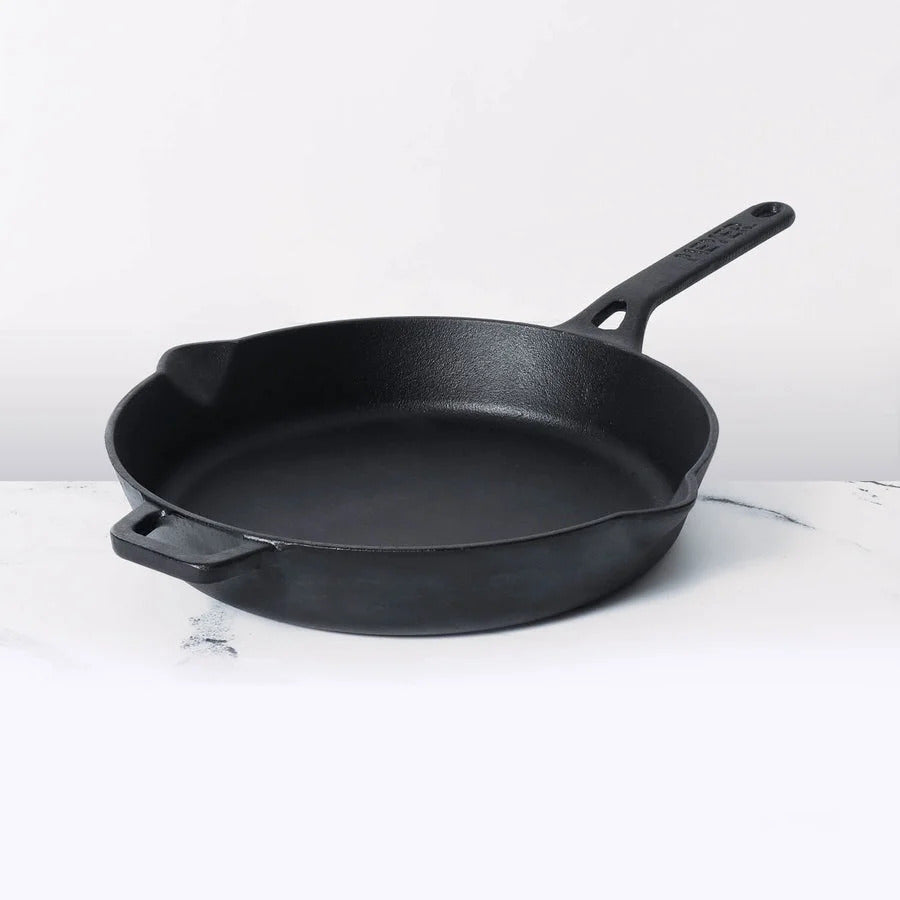


Leave a comment