



Color is a powerful design element that influences how we feel, behave, and even how we cook. In the heart of every home—the kitchen—colors can affect everything from your mood and appetite to how inspired you feel while preparing meals. While most people think about color only in terms of cabinetry or walls, cookware color plays an equally important role, especially in modern open kitchens where pots and pans are always visible.
This article explores the fascinating relationship between color psychology and cookware, and whether the colors you choose can genuinely influence your cooking experience.
Table of Contents
The Psychology of Color in the Kitchen
Different colors trigger different emotional responses and behavioral reactions. In kitchens, these responses can influence:
-
Your sense of warmth and comfort
-
Your energy levels while cooking
-
How frequently you use certain cookware
-
Your perception of food while cooking
-
The overall ambiance of the space
Cookware that aligns with your personality and cooking style can enhance both functionality and emotional satisfaction.

How Cookware Color Influences Cooking and Mood
Below are the common cookware colors and how they may impact your kitchen and cooking experience.
1. Red: Energetic, Bold, and Appetite-Boosting
Red is one of the most popular cookware colors for good reason. It is linked to energy, passion, and appetite stimulation. Red cookware can:
-
Inspire creativity and confidence while cooking
-
Enhance appetite (why many restaurants use red décor)
-
Add a sense of warmth and vibrancy to the kitchen
People who enjoy lively cooking sessions or bold flavors often gravitate toward red cookware. It suits open kitchens that serve as social, high-energy spaces.
2. Blue: Calm, Focused, and Refreshing
Blue has a soothing, grounding effect. It’s ideal for people who want a calm, relaxed cooking environment. Blue cookware can:
-
Encourage mindfulness and patience while preparing meals
-
Create a cool, modern, soothing aesthetic
-
Contrast beautifully with stainless steel, white, or wood kitchens
Because blue is rare in natural foods, it may also help create an elegant and clean visual environment, making cookware feel more premium.
3. Grey: Minimalist, Balanced, and Contemporary
Grey cookware—matte or glossy—fits perfectly into modern, industrial, or Scandinavian kitchens. The psychology of grey is associated with:
- Balance and neutrality
- Visual calmness
- Clean, minimalist styling
Grey cookware is perfect for homeowners who want understated elegance without overpowering their space. It blends seamlessly into open shelving and countertop layouts.
4. Black: Strong, Stable, and Versatile
Black signifies control, sophistication, and confidence. In cookware, it brings:
-
A sense of luxury and strength
-
Bold contrast in lighter kitchens
-
Timeless appeal that never goes out of style
Black cookware often feels professional, which is why many high-end cast iron pans and skillets come in black or charcoal tones.
5. Steel / Silver: Clean, Pure, and Professional
Classic stainless steel has its own psychological influence. Silver and steel tones evoke:
- Precision and professionalism
- Cleanliness and hygiene
- Neutrality suitable for any décor
People who use steel cookware often associate it with control, clarity, and reliability in the kitchen.
Meyer Pre Seasoned Cast Iron Appam Pan, 20cm
Does Cookware Color Affect Food or Cooking Performance?
From a scientific standpoint:
- Color does not directly change taste, heat distribution, or cooking performance.
- Performance depends on material—cast iron, tri-ply steel, nonstick, etc.
- However, color indirectly influences behavior, which can influence your cooking style.
Example:
A bold red pan might encourage faster, high-energy cooking, while a blue or grey pan may help you slow down and focus on technique.
Additionally, colorful cookware encourages:
-
More frequent use (people reach for pieces they find beautiful)
-
Better organization since pieces double as décor
-
Increased mindfulness and creative expression
So while color doesn’t change the literal outcome of cooking, it can change the experience, mood, and kitchen environment.
Choosing the Right Cookware Color for Your Kitchen Style
For Vibrant, Family-Friendly Kitchens:
Choose red or bold warm colors to add energy and warmth.
For Calm, Peaceful Cooking Spaces:
Choose blue or cool-toned cookware that invites relaxation.
For Modern, Minimalist Homes:
Choose grey, matte finishes, or clean steel tones.
For Professional, Statement-Making Kitchens:
Choose black, charcoal, or deep jewel tones.
Conclusion
Cookware is no longer just functional—it is an important part of your kitchen’s design and your cooking mindset. While color does not directly affect how your food tastes, it unquestionably influences mood, creativity, and the overall kitchen environment. Choosing cookware colors that align with your personality, cooking style, and home décor can make the daily act of cooking more enjoyable, inspiring, and visually appealing. With beautifully crafted pieces like the red Disney Bon Voyage cast iron range, the blue Centennial stainless steel frypan, the grey enamel kadai, and sleek steel saucepans, Meyer offers colors that suit every personality, kitchen aesthetic, and cooking style.
MORE FROM BLOG
Top Collections
5 key factors to consider before buying a cookware
2 Items
Cookware That Works Best on Induction Stovetops in 2025
2 Items
Non-stick cookware guide: How to buy a high-quality cookware
2 Items
How not to cook with stainless steel cookware
2 Items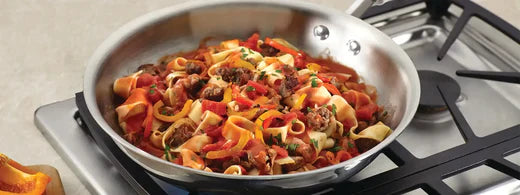
How Steel Cookware has replaced Aluminium Cookware in India 2022
2 Items


Leave a comment