



Gujarati snacks — whether it’s crispy farsan, sautéed bhaji, deep-fried pakodas, or light snacks like locho and khandvi — are a cornerstone of Gujarati cuisine. These snacks often combine fast frying, tempering (tadka), shallow sautéing, and deep cooking with spices, making the choice of pan or cookware critical.
Choosing the right pan can influence how evenly your snack cooks, how crunchy or soft it turns out, how much oil is absorbed, and how easy cleanup will be afterward. A well-selected pan can help you cook safer, healthier snacks while preserving authentic Gujarati flavours.
This guide will walk you through what to look for when selecting a pan — including materials, shape, base thickness, and special features — and suggest some great options that fit Gujarati snack cooking needs perfectly.
Table of Contents
Why Pan Selection Matters for Gujarati Snacks
Gujarati snacks come in many forms — from deep-fried goodies like pakoda, gathiya and kachori to shallow-fried items like dhokla-based fritters, sautéed potatoes or bhajias, and tempering-based dishes. Each cooking method places different demands on the pan:
- Deep or shallow frying needs a pan that retains heat and distributes it evenly so oil doesn’t get too cold or too hot.
- Tempering spices and shallow sautéing requires a pan that heats up quickly and evenly, yet allows control to avoid burning the spices.
- Sauté-frying/ stir-frying with minimal oil benefits from even heat and stable temperature to cook evenly without sticking.
- Batch cooking or repeated use demands durability, non-reactivity, and ease of cleaning.
If the pan is too thin or heats unevenly, you may end up with greasy, unevenly cooked snacks, burnt spices, or soggy textures. That’s why choosing the right pan is as crucial as choosing the right ingredients.

What to Look for When Picking a Pan for Gujarati Snacks
When selecting a pan suited for Gujarati frying and cooking, consider the following factors:
1. Base Material & Heat Retention
- Cast Iron: Excellent for deep frying, stir-frying, and dishes that benefit from steady heat — ideal for pakodas, gathiya, or deep-fried snacks.
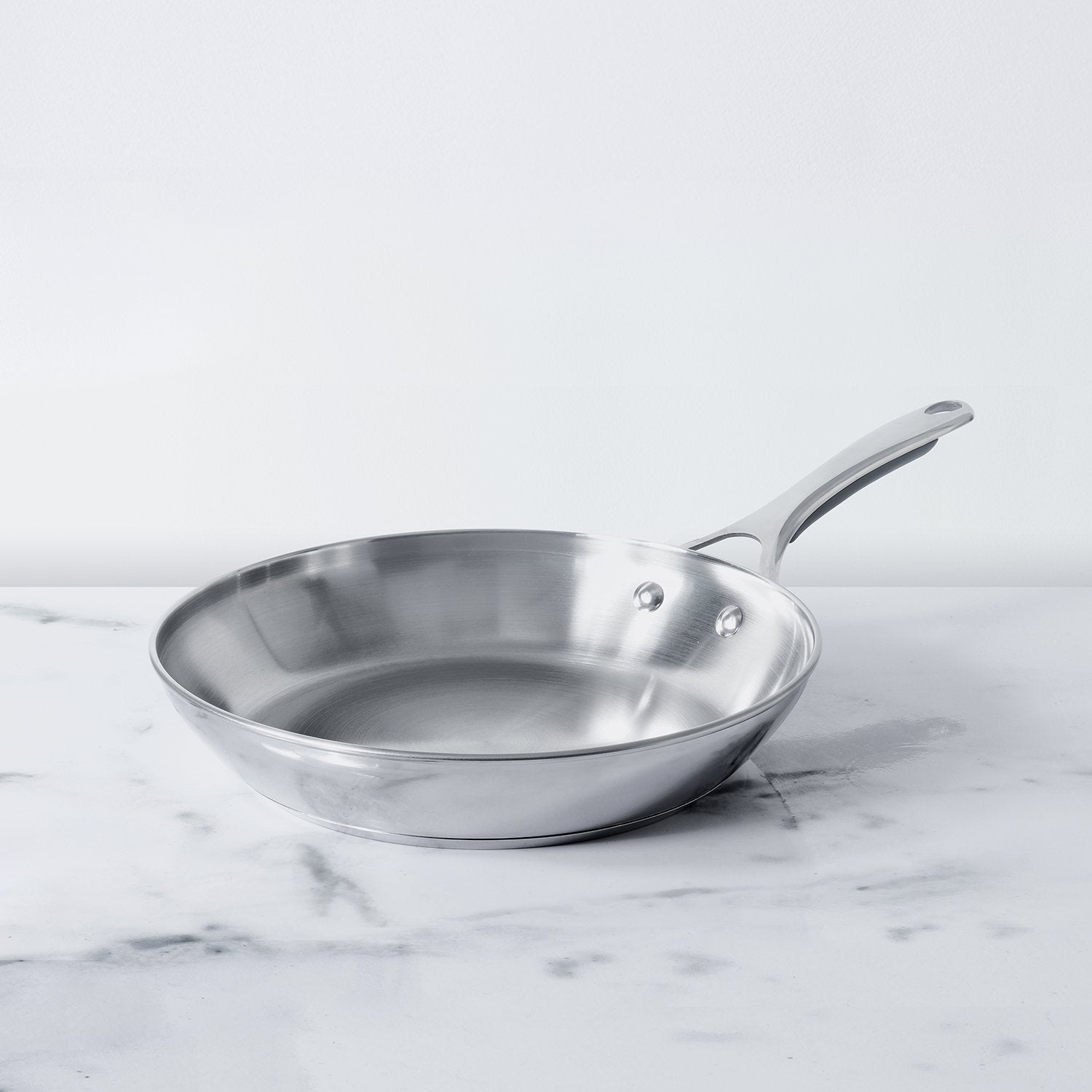
- Thick Stainless Steel / Tri-Ply Steel: Great for sautéing, shallow frying, or tempering. Less reactive and easier to maintain than cast iron.
- Hard-Anodised or Heavy Base Aluminium: Useful for quick cooking and sautéing, although cast iron and stainless steel are generally more durable for heavy use.
2. Pan Shape and Depth
- Deep Kadhai / Wok-style Pan: Best for deep frying or frying medium-to-large snacks, so oil doesn’t splash and frying remains uniform.
- Shallow Frypan or Flat-bottom Pan: Good for shallow frying, sautéing, and moderate frying where even browning is needed.
- Wide Mouth & Handling Ease: A wide pan helps stir or toss snack items easily, and sturdy handles add safety when using hot oil.
3. Non-Reactive, Durable Surface
Since Gujarati snacks often use mustard oil, spices, and sometimes tamarind or tomato-based gravies, the pan surface must be non-reactive and durable over repeated cooking cycles.
4. Ease of Cleaning and Maintenance
Deep-frying and frying often leave oil and spice residue. A pan that is easy to clean and doesn’t warp under heat is a big plus.
Meyer Bauhaus Nonstick Open Saucier, 24 cm, Red
Recommended Pans & Cookware for Gujarati Snacks (Including Meyer Options)
Here are some of the best pans and cookware types for Gujarati snack cooking — versatile, durable, and conveniently suited to traditional recipes.
-
Meyer Cast-Iron Kadhai / Wok — Ideal for deep frying pakodas, gathiyas, bhajis or even for roasting snacks. The cast iron body gives excellent heat retention and even cooking.
-
Meyer Tri-Ply / Heavy-Bottom Stainless Steel Kadhai or Frypan — Great for sautéing vegetables, shallow frying snacks, tempering spices, or cooking light fried snacks with less oil.
-
Circulon Hard-Anodised Frypan or Kadhai — Handy for quick stir-frying, sautéing, or light frying tasks when you want ease-of-use and easier cleanup.
-
Standard Deep Kadhai (Cast Iron or Steel) — For traditional deep-fry Gujarati snacks which require consistent oil temperature and sufficient depth.
Which Pan Works Best for Common Gujarati Snack Preparations
Here’s a quick guide:
- Deep-Fried Snacks (Pakoda, Gathiya, Sev, Fafda, Kachori, Gota): Use a deep kadhai or cast-iron wok to maintain oil temperature and allow safe frying.
- Shallow-Fried or Sautéed Snacks (Batata vada, Vegetable bhaji, Kadhi-fry, Stir-fried potatoes/vegetables): Use heavy-base stainless steel or hard-anodised frying pans — they heat evenly and handle spices well.
- Tempering (Tadka for curries, dal or sabzi): A stainless steel or cast-iron frypan/kadhai works best for quick spice cooking without burning.
- Batch Cooking or Mixed Snacks (Multiple items frying/ cooking): Use cast iron or tri-ply steel pans with high walls to manage larger quantity and repeated heat cycles.
Care & Maintenance Tips for Cookware Used in Snack Cooking
-
Season cast iron pans well before use to build a natural non-stick layer.
-
Avoid sudden temperature changes — don’t pour cold water into a hot pan.
-
Use gentle cleaning methods; avoid abrasive scrubbers if using non-stick or enamel surfaces.
-
Regularly check for warping if cooking frequently at high heat.
-
Use neutral-pH detergents and rinse thoroughly after frying or sautéing to remove oil and spice residues.
Conclusion
Gujarati snack cooking is rich, diverse, and rooted in tradition — and the right cookware makes all the difference. Whether you choose a heavy cast-iron kadhai for deep frying, a tri-ply stainless steel pan for sautéing, or a hard-anodised frypan for light everyday snacks, make sure the pan offers heat retention, durability, and even cooking.
Cookware from Meyer — especially a well-seasoned cast iron kadhai or heavy stainless-steel pan — gives you the flexibility to prepare everything from pakodas to bhajias, batata vadas to mixed vegetable bhaji, without compromise.
MORE FROM BLOG
Top Collections

Best Appam Pan: Your Cooking Partner
2 Items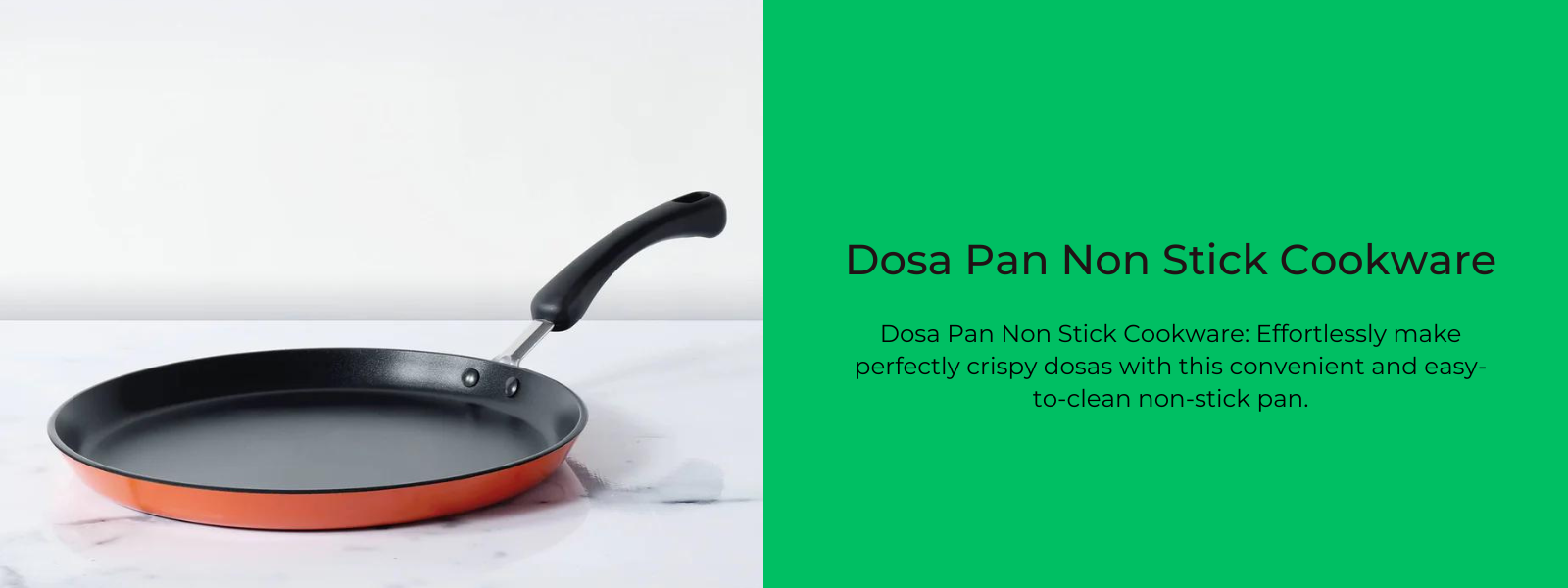
Best Dosa Pan Non Stick Cookware In India
2 Items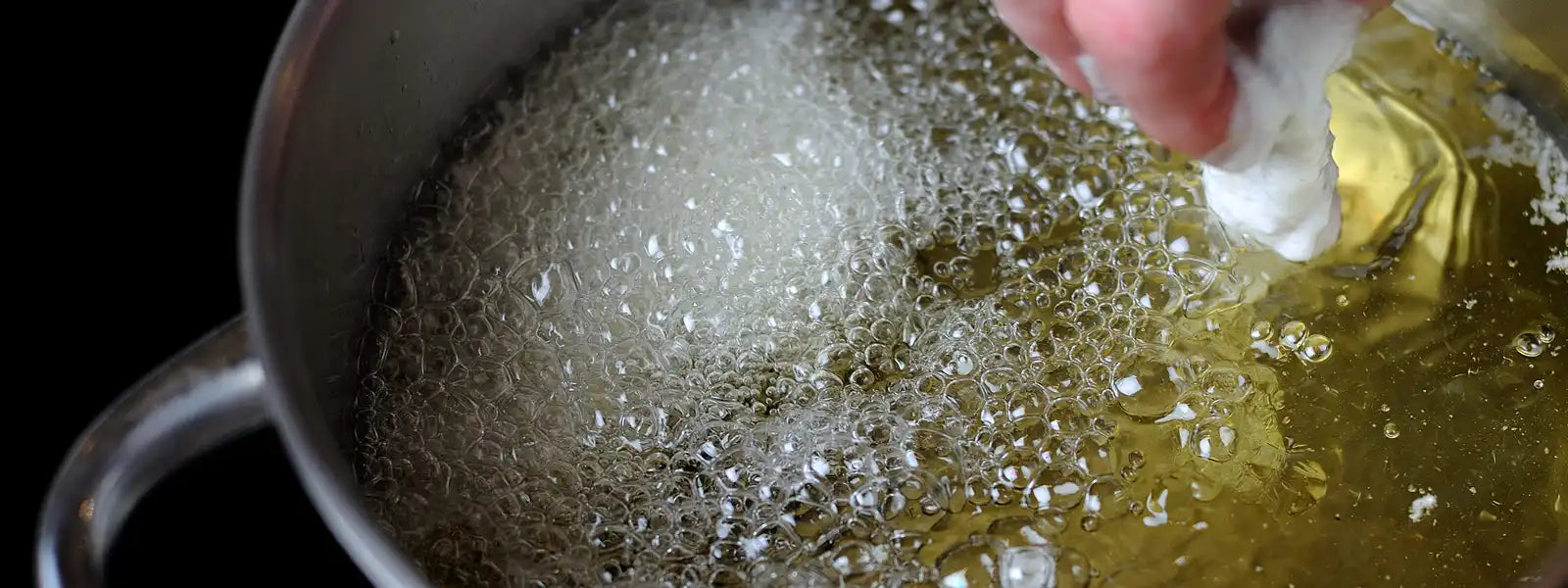
Best Stainless Steel Kadai for Deep Frying
2 Items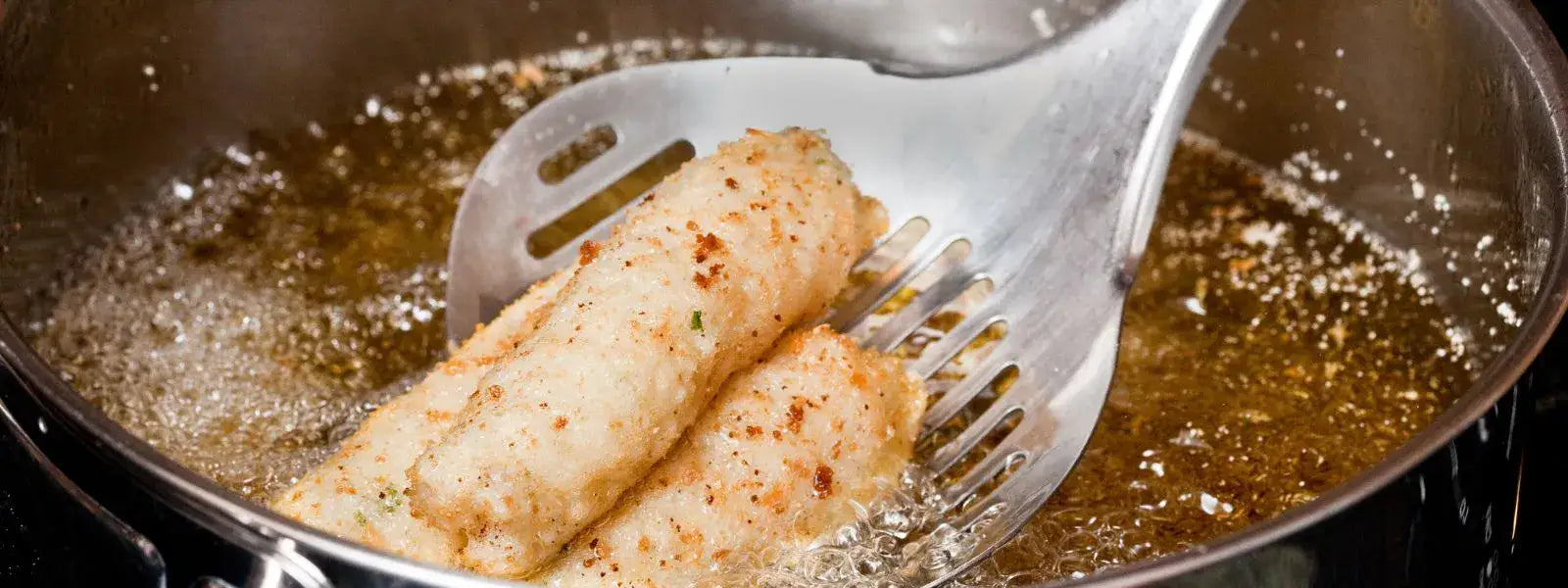
Can stainless steel pan be used for Deep Frying?
2 Items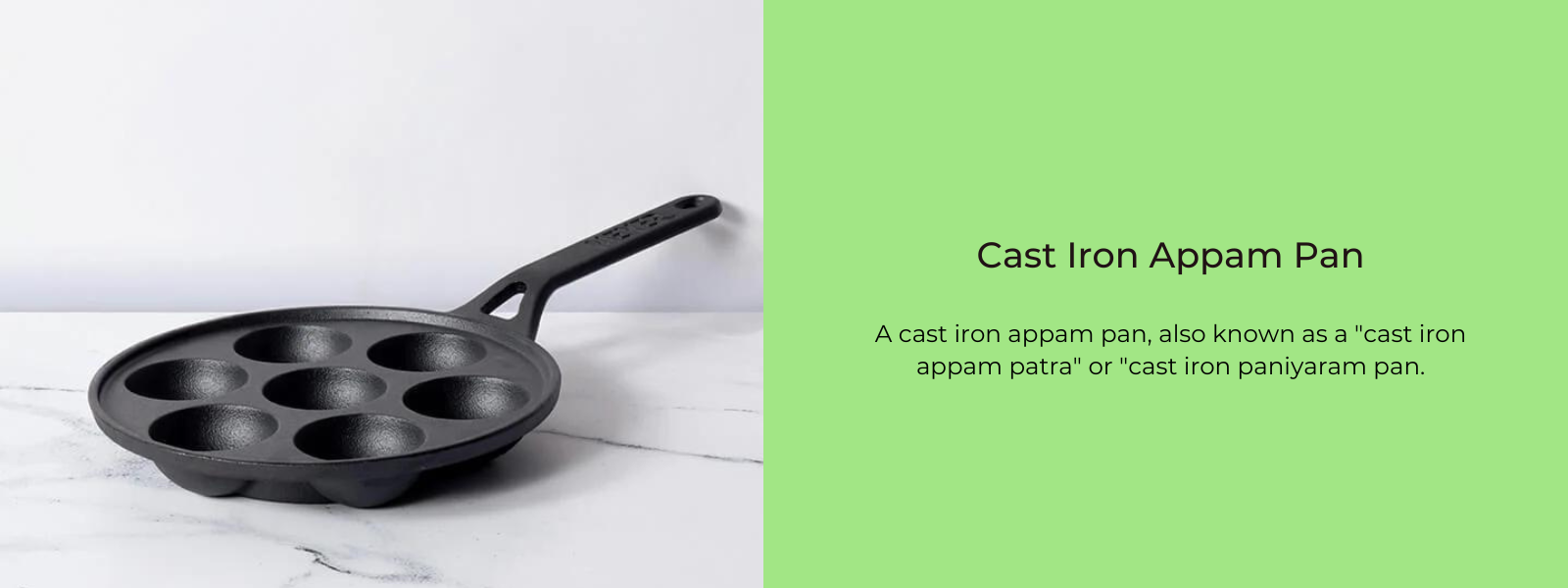
Cast Iron Appam Pan: Cookware That Lasts For Lifetime
2 Items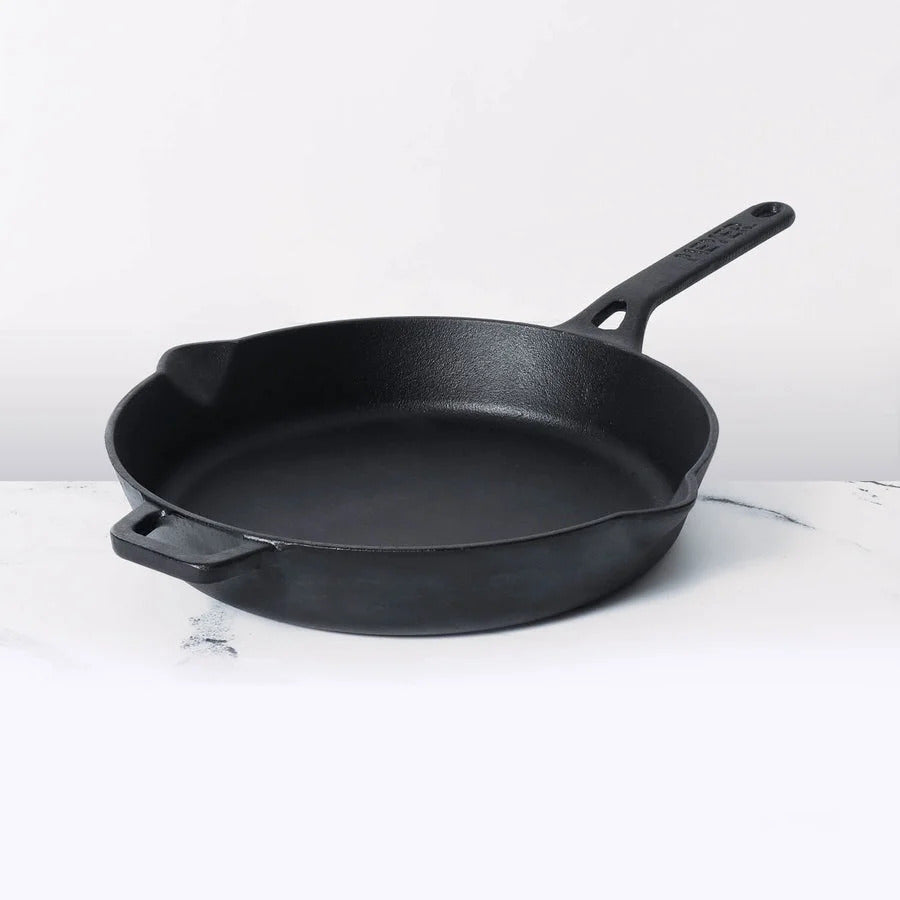


Leave a comment