



Cast iron cookware is built to last for years, often becoming better with age as it develops a natural non-stick surface. However, the monsoon season introduces a unique challenge. The high humidity in the air creates the perfect conditions for rust to form, even when your cookware appears clean and dry.
If you have ever noticed orange spots appearing overnight or a rough texture forming on the surface, it is a sign that moisture has started reacting with the iron. The key to preventing this is not complicated, but it does require consistency and a better understanding of how cast iron behaves in humid environments.
Table of Contents
- 1. Why Cast Iron Is Vulnerable to Rust in Humid Weather
- 2. Drying Is Your First Line of Defense
- 3. Oiling Creates a Protective Barrier
- 4. Seasoning Becomes Even More Important in Monsoon
- 5. Avoid Letting Water Sit on the Surface
- 6. Smart Storage Matters More Than You Think
- 7. Refreshing the Pan During Long Gaps
- 8. Cleaning Without Stripping Protection
- 9. If Rust Appears, It Can Be Fixed
- 10. Choosing the Right Cast Iron Cookware
- 11. A Simple Monsoon Care Routine
- 12. Final Thoughts
Why Cast Iron Is Vulnerable to Rust in Humid Weather
Cast iron is naturally porous and reactive. Unlike coated cookware, it does not have a permanent protective layer. Instead, it relies on seasoning—a thin layer of oil that bonds to the surface—to protect it from air and moisture.
During the monsoon, the moisture level in the air increases significantly. This means your cookware is constantly exposed to humidity, whether it is being used or stored. Even if it looks dry, microscopic moisture can settle on the surface and slowly trigger oxidation.
When the seasoning layer is weak, uneven, or worn out, the iron underneath becomes exposed, making it much easier for rust to develop.

Drying Is Your First Line of Defense
The most important habit during the monsoon is thorough drying.
After washing your cast iron cookware, wiping it with a cloth is not enough. In humid weather, residual moisture can remain trapped in tiny pores or along the edges. The best practice is to place the cookware on low heat for a few minutes after wiping it down. This ensures that all hidden moisture evaporates completely.
This extra step may seem small, but it is one of the most effective ways to prevent rust.
Oiling Creates a Protective Barrier
Once your cookware is completely dry, applying a thin layer of oil is essential.
Oil acts as a shield, preventing moisture in the air from coming into direct contact with the iron surface. The layer should be extremely light—just enough to coat the surface without leaving it greasy.
Regular oiling not only protects against rust but also strengthens the seasoning over time, improving the cooking performance of your pan.
Seasoning Becomes Even More Important in Monsoon
Seasoning is what keeps cast iron resilient.
This process involves heating oil on the surface until it bonds with the metal, forming a durable, semi-non-stick layer. During the monsoon, this layer can wear down faster due to constant exposure to humidity.
Re-seasoning your cookware more frequently during this period helps maintain a strong protective coating. It also ensures that your cookware continues to perform well without sticking.
Avoid Letting Water Sit on the Surface
Moisture exposure, even for a short time, can lead to rust.
Avoid soaking cast iron in water or leaving it in the sink after washing. Even a few minutes of sitting in water can begin to affect the surface, especially in humid weather.
If food residue is stuck, clean it promptly using warm water and a gentle scrub, then dry immediately.
Smart Storage Matters More Than You Think
Where and how you store your cookware plays a big role in preventing rust.
Closed cabinets that trap moisture can create a damp environment, increasing the risk of rust formation. Instead, choose a space that is dry and allows some air circulation.
If you stack your cookware, place a paper towel or cloth between pieces. This helps absorb moisture and prevents surface contact that can damage the seasoning.
Refreshing the Pan During Long Gaps
If you are not using your cast iron cookware regularly during the monsoon, it still needs occasional attention.
Heating the pan lightly and applying a fresh layer of oil every few days helps keep moisture away and maintains the seasoning layer. This simple habit can prevent rust from forming during periods of inactivity.
Cleaning Without Stripping Protection
Over-cleaning can do more harm than good.
Using strong detergents or aggressive scrubbing can strip away the seasoning layer, exposing the bare metal underneath. This makes the cookware more vulnerable to rust.
A gentle cleaning routine followed by proper drying and oiling is all that is needed for daily maintenance.
If Rust Appears, It Can Be Fixed
Rust does not mean your cookware is ruined.
Light rust can be removed by scrubbing the affected area with a mild abrasive, followed by washing, drying, and re-seasoning. Acting quickly prevents the rust from spreading and restores the surface effectively.
With proper care, cast iron can recover and continue to perform well.
Choosing the Right Cast Iron Cookware
The quality of your cookware can make maintenance easier.
Well-crafted cast iron cookware typically has a smoother surface and responds better to seasoning. This helps build a stronger protective layer and reduces the chances of rust when cared for properly.
Meyer pre-seasoned cast iron cookware is designed to offer a strong starting point, with an initial layer of seasoning that helps protect the surface and makes it easier to maintain from the beginning. With regular care, it continues to improve over time and performs reliably even in humid conditions.
A Simple Monsoon Care Routine
Wash and clean immediately after use
Dry thoroughly and heat briefly to remove moisture
Apply a thin layer of oil after each use
Re-season more frequently during humid weather
Store in a dry, ventilated space
Check regularly for early signs of rust
Final Thoughts
Rust during the monsoon is a common challenge for cast iron cookware, but it is completely manageable with the right habits.
By focusing on proper drying, consistent oiling, and regular seasoning, you can protect your cookware from moisture and keep it in excellent condition. These small, mindful steps not only prevent rust but also enhance the longevity and performance of your cast iron.
With the right care routine, your cookware will continue to deliver great results—rain or shine.
MORE FROM BLOG
Top Collections
Cast Iron Cookware: A Comprehensive Guide to Heat Retention
2 Items
Cast Iron Cookware: Why It’s Perfect for Outdoor Cooking
2 Items
Cast Iron Skillet trusted and recommended by professional chefs
2 Items
Cast Iron Vs Stainless Steel: Which Is Right For You?
2 Items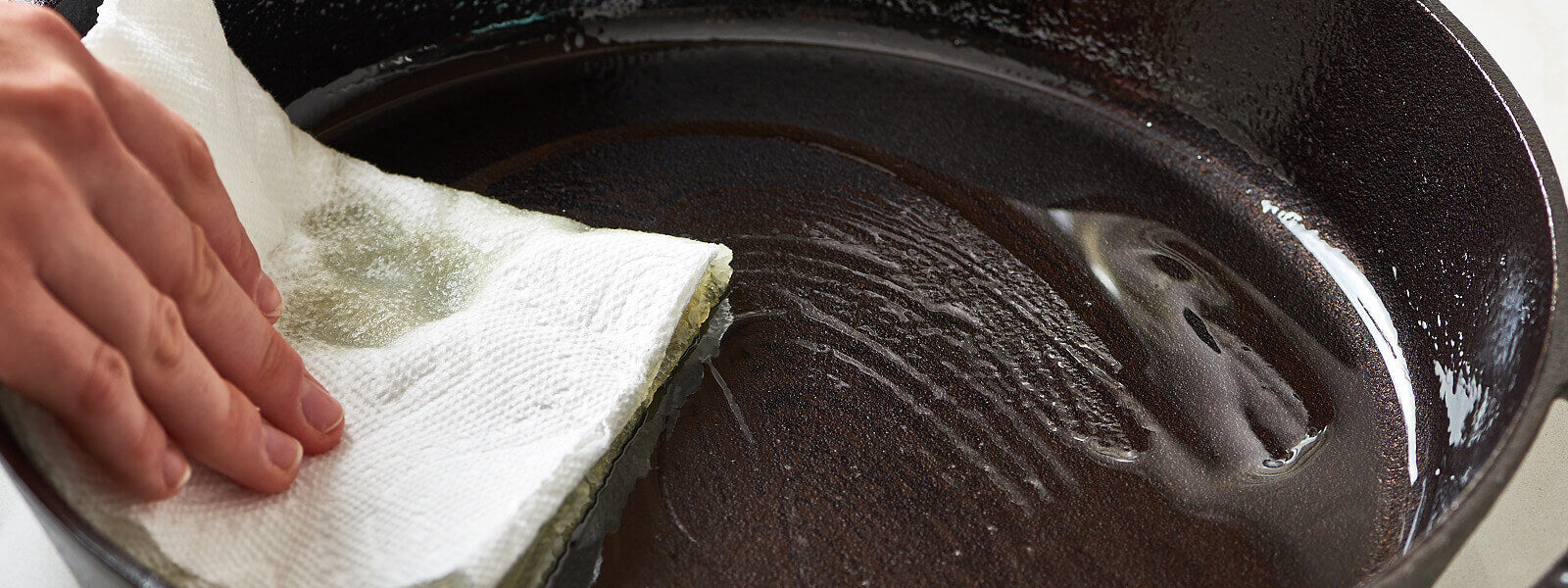
How to Maintain Your Cast Iron Cookware
2 Items


Leave a comment