



Soft, well-puffed phulkas are a daily staple in Indian homes, yet getting them just right can feel surprisingly tricky. When rotis turn stiff, cook unevenly, or refuse to puff, the problem is often not the dough—but the tawa and heat control.
The right cookware plays a decisive role in how heat travels through the roti, how steam builds inside it, and how evenly it cooks. Let’s explore how choosing the right tawa and managing heat correctly can help you make perfect phulkas every single time.
Table of Contents
Why the Right Tawa Is Essential for Soft, Puffy Phulkas
Phulkas cook in under a minute, which means the tawa must:
- Heat evenly across the surface
- Retain and release heat efficiently
- Provide a flat, stable base
- Support quick moisture-to-steam conversion
Inferior or uneven tawas create hotspots that dry out the roti before it can puff. Premium cookware ensures controlled heat, allowing the phulka to rise naturally and stay soft.

Best Tawas for Making Perfect Phulkas
Meyer Pre-Seasoned Cast Iron Roti / Chapati Tawa
Why it works:
Cast iron is known for its superior heat retention, which is crucial for phulkas that need consistent heat throughout cooking. The pre-seasoned surface adds natural non-stick properties and enhances flavour over time.
Benefits:
- Excellent heat retention and uniform cooking
- Helps create soft rotis with gentle char marks
- Naturally non-stick with regular use
- Long-lasting and chemical-free surface
How to use it best:
Preheat the tawa well on medium heat. Once hot, lower the flame slightly before placing the phulka. This prevents scorching while allowing steam to build inside the roti for perfect puffing.
Ideal for:
Traditional kitchens and those who love soft, flavourful phulkas with authentic texture.
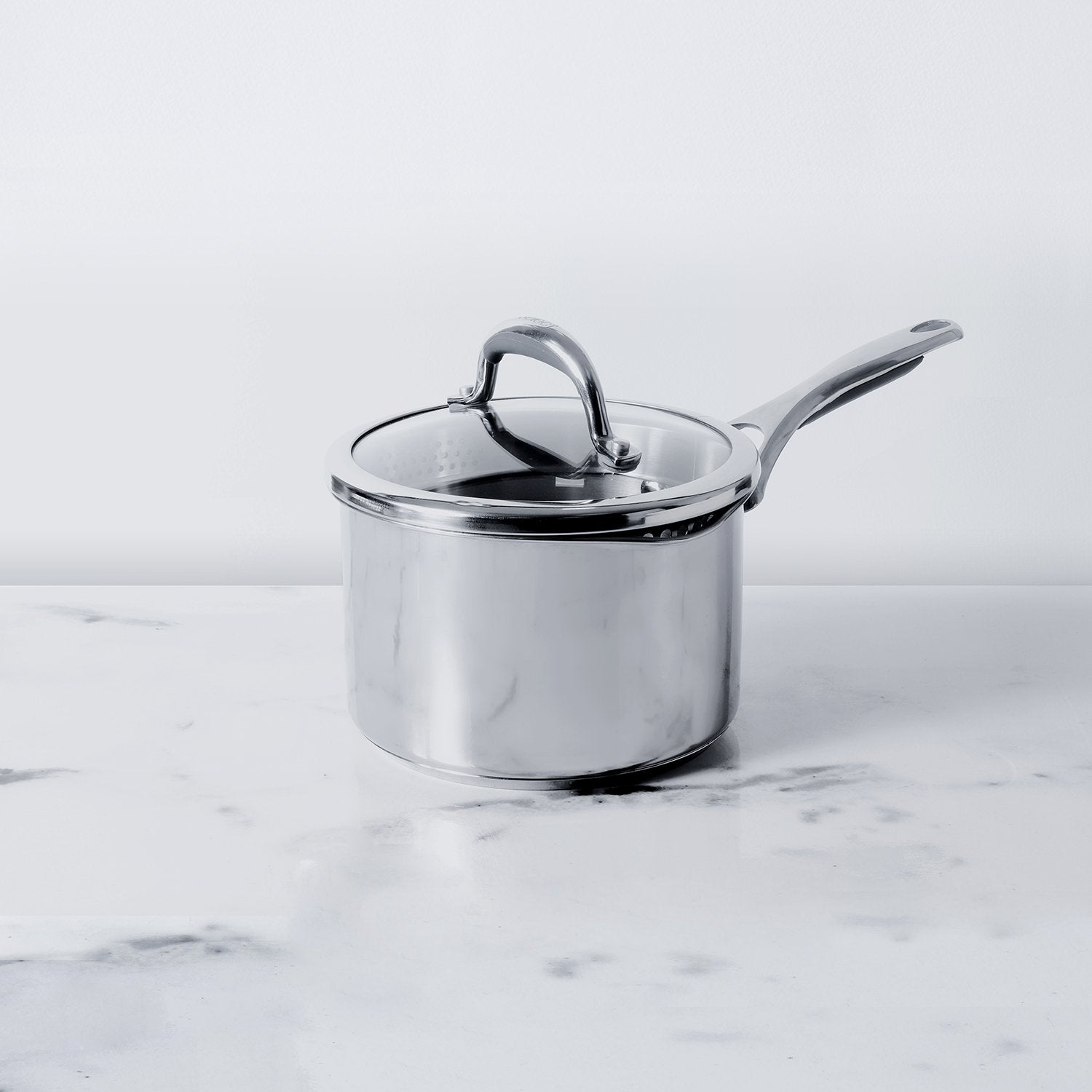
Meyer Trivantage Stainless Steel Triply Flat Tawa
Why it works:
Triply construction combines an aluminium core sandwiched between stainless steel layers, ensuring fast and even heat distribution without hotspots.
Benefits:
- Precise heat control
- Even cooking across the entire surface
- Resistant to warping
- Safe for oil-free or low-oil cooking
How to use it best:
Heat the tawa on medium flame and allow it to reach an even temperature before placing the roti. Stainless steel responds quickly to temperature changes, making it easier to control browning and puffing.
Ideal for:
Cooks who prefer precision, consistency, and modern cookware performance.
Meyer Pre-Seasoned Cast Iron Roti/Chapati Tawa 26cm, Black
Heat Management: The Key to Puffing Phulkas
Even the best tawa needs proper heat control to deliver results. Follow these steps for consistently puffed phulkas:
1. Preheat Correctly
Always preheat your tawa for a few minutes on medium heat. A properly heated surface allows instant steam formation.
2. Cook on Medium Heat
High heat burns the roti before it can puff. Medium heat ensures gradual moisture release and even cooking.
3. Flip at the Right Time
Flip when bubbles appear and light brown spots form. This indicates steam buildup inside the roti.
4. Encourage Puffing
Gently press the roti with a cloth or spatula, or transfer it directly to an open flame for full inflation.
5. Remove Immediately
Once puffed, remove the phulka right away to lock in softness and prevent drying.
Common Phulka Mistakes to Avoid
-
Cooking on an uneven or thin tawa
-
Using very high heat throughout
-
Over-dusting with dry flour
-
Skipping dough resting time
-
Leaving rotis on the tawa too long
Why Premium Meyer Tawas Make a Difference
Both Meyer Pre-Seasoned Cast Iron Roti Tawa and Meyer Trivantage Stainless Steel Triply Flat Tawa are designed to support:
-
Even heat distribution
-
Better moisture retention
-
Oil-free or low-oil cooking
-
Consistent results, batch after batch
With the right tawa, puffing phulkas becomes predictable—not a matter of luck.
Conclusion
Perfect phulkas are not about speed or force—they’re about the right cookware and mindful heat control. Whether you prefer the traditional heat retention of cast iron or the precision of triply stainless steel, choosing a quality tawa transforms everyday rotis into soft, airy, and satisfying meals.
With the right Meyer tawa and proper heat management, perfect phulkas can be a daily certainty in your kitchen.
MORE FROM BLOG
Top Collections
Best Appam Tawa For Authentic Appam at Home
2 Items
Best Cast Iron Appe Tawa For Paniyaram
2 Items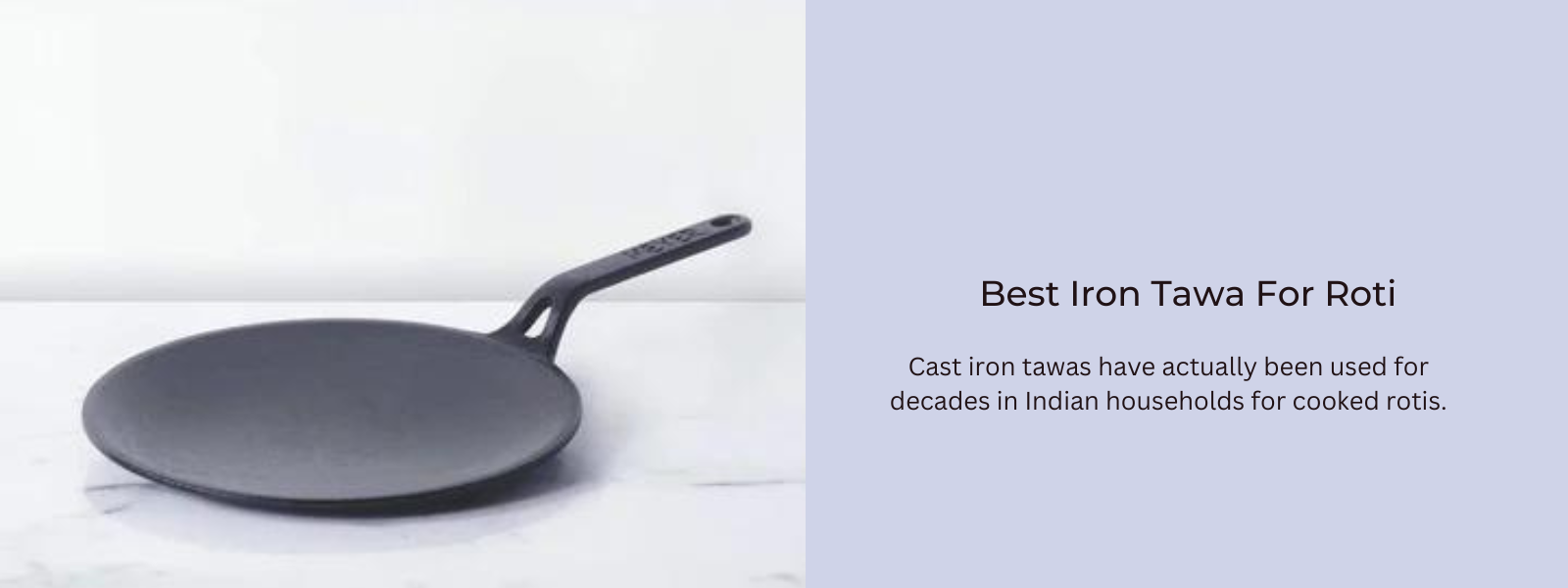
Best Iron Tawa For Roti: Cookware For Indian Food
2 Items
Best Non Stick Roti Tawa Price: Cookware For Everyone
2 Items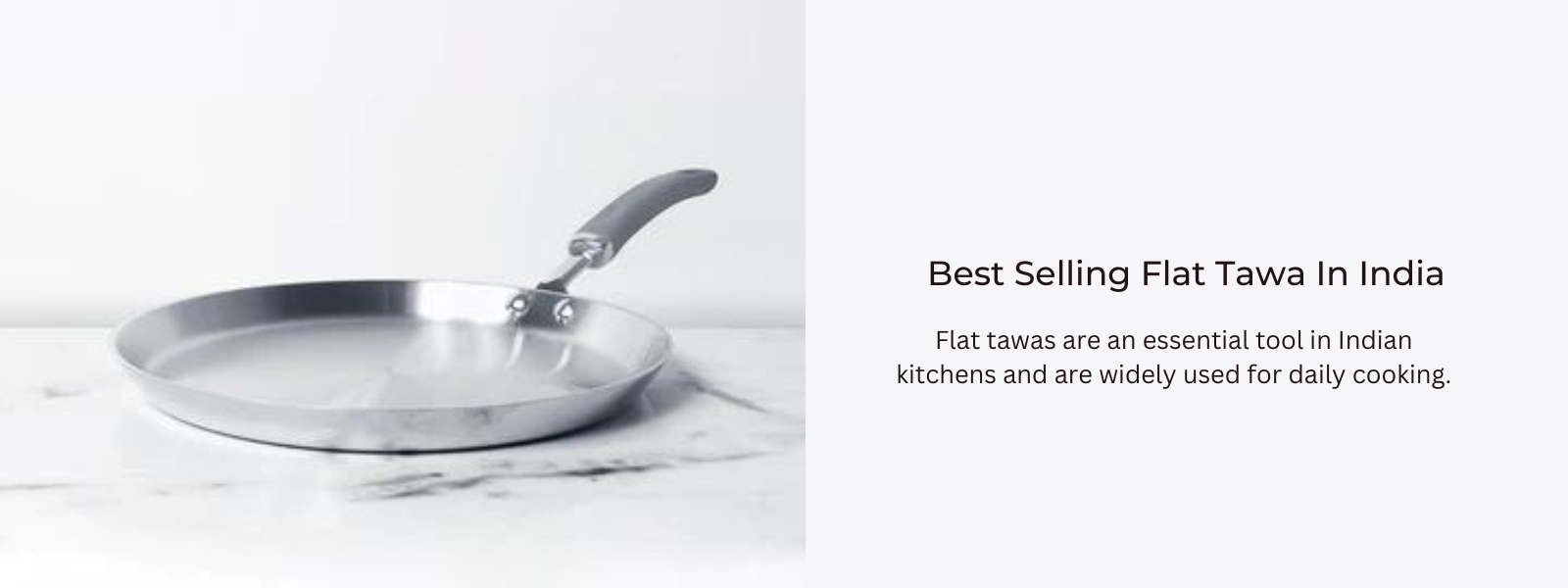
Best Selling Flat Tawa In India For Daily Cooking
2 Items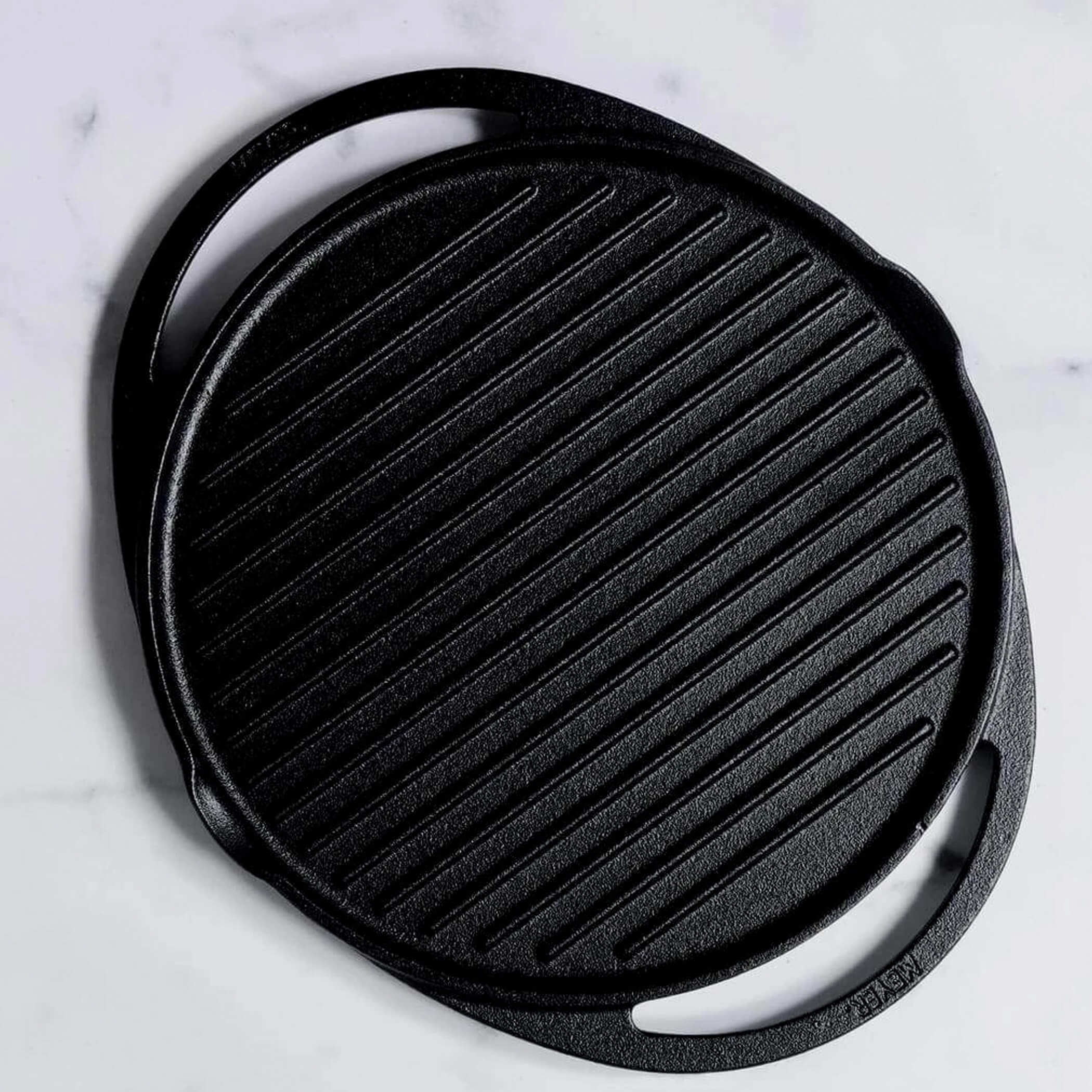


Leave a comment