



There is something unforgettable about the food our grandmothers cooked—aromas that filled the house, slow simmering gravies, perfectly puffed rotis, crisp pakoras, and the unmistakable warmth of home. While lifestyles have changed, kitchens have modernized, and cookware has evolved, the desire to recreate those nostalgic flavours remains strong.
The good news? You can bring back grandmother-style cooking using modern cookware—as long as you choose pans and pots that honour traditional techniques while offering contemporary efficiency. This guide explores how today’s best cookware helps revive old flavours with new convenience.
Table of Contents
- 1. Slow Cooking: The Heart of Nostalgic Flavour
- 2. Trust in Heavy-Bottomed Pans, Then and Now
- 3. The Secret of Proper Browning and Caramelisation
- 4. Traditional Tadka Techniques, Modern Tools
- 5. One-Pot Comfort Foods Made Easier
- 6. Nostalgia Through Texture: Soft Rotis, Crisp Parathas, Fluffy Pooris
- 7. Cooking With Patience—and the Right Cookware Makes It Easier
- 8. Conclusion
Slow Cooking: The Heart of Nostalgic Flavour
Grandmothers depended on slow heat—simmering dal for an hour, letting sabzis cook gently, and allowing spices to bloom fully. Slow cooking enhances depth, richness, and aroma.
Modern cookware like the Meyer Disney Bon Voyage Enameled Cast Iron Casserole recreates this beautifully.
-
It retains heat for long durations
-
Cooks evenly without burning
-
Locks in moisture, just like an old-school handa
Rajma, kadhi, dal makhani, chicken curry, and even halwa gain the same soulful intensity when cooked in such vessels.

Trust in Heavy-Bottomed Pans, Then and Now
Your grandmother’s cookware often had weight—thick brass pots, iron kadhais, and clay handis. This weight wasn’t accidental; it prevented quick burning and ensured stable heat.
Today, the equivalent is triply stainless steel.
The Meyer Trivantage Stainless Steel Triply Kadai offers the same:
-
Even heat distribution
-
No hotspots
-
Consistent browning and sautéing
Onions caramelize deeper, masalas cook more uniformly, and gravies become smoother—bringing back the flavours you remember from childhood.
Cast Iron: The Closest You Can Get to Traditional Cooking
Grandmothers relied on iron tawas, iron kadhais, and heavy iron pans for everyday meals. The flavours that came from these vessels are tough to beat.
Modern, pre-seasoned versions like the Meyer Pre-Seasoned Cast Iron Frypan or Tawa keep that legacy alive while offering:
- Easier upkeep
- Better seasoning
- More even heat
- Nonstick performance with time
Dosas, rotis, fried potatoes, bhindi, paneer burji, or simple tadka dal taste unmistakably “ghar jaisa” when cooked on cast iron.
Meyer Pre Seasoned Cast Iron Deep Kadai with Glass Lid , 24cm
The Secret of Proper Browning and Caramelisation
Grandmother’s food tasted good because she allowed ingredients to brown—not burn, not rush. The right cookware material makes this possible.
Triply cookware like the Meyer Centennial Nickel-Free Stainless Steel Frypan excels at:
-
Browning onions for curry bases
-
Searing chicken or paneer
-
Toasting spices gently
-
Developing body and depth in gravies
This is one of the most important aspects of recreating traditional flavours.
Traditional Tadka Techniques, Modern Tools
Tadka is one of the defining elements of Indian heritage cooking. A perfectly tempered tadka can transform any dish.
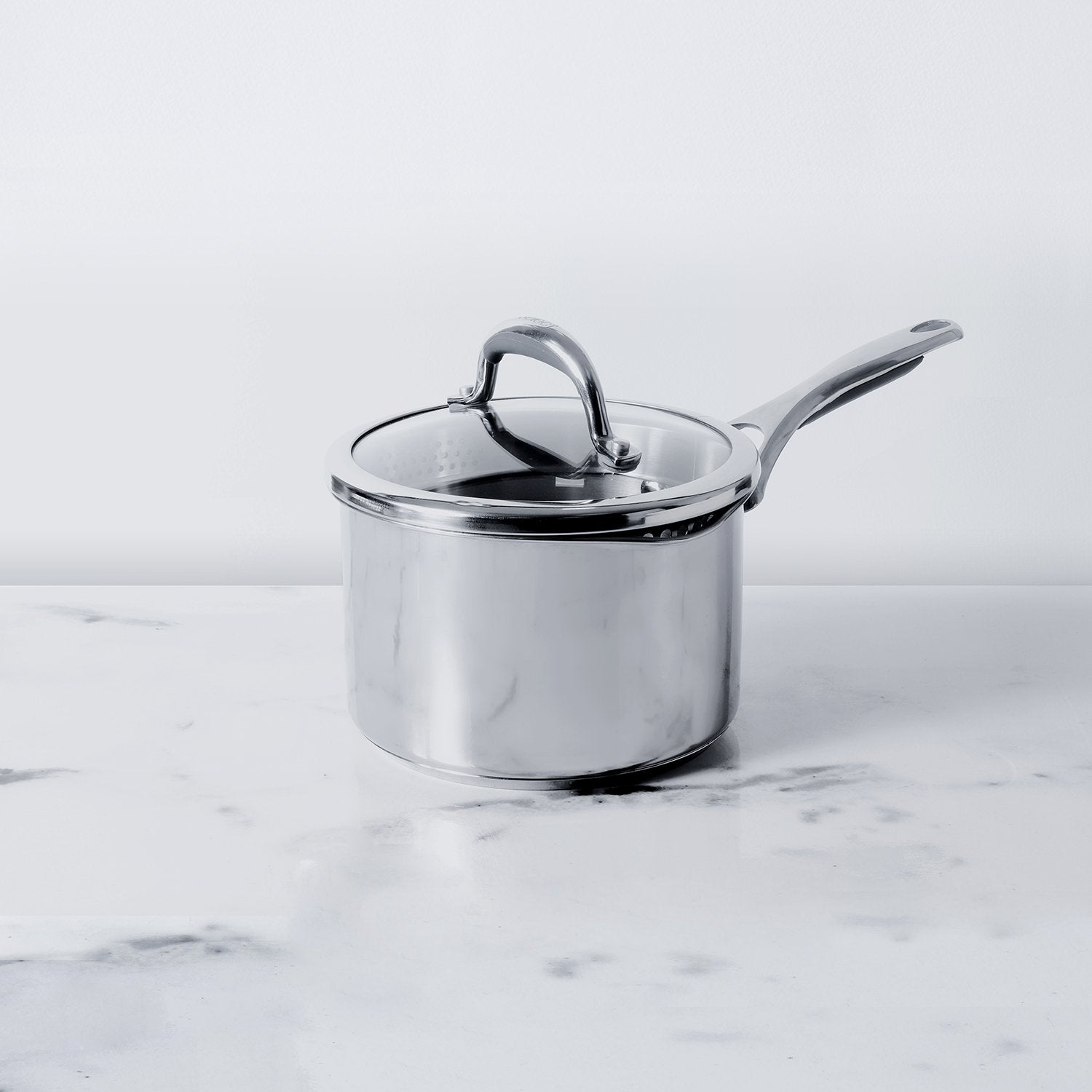
The Meyer Select Stainless Steel Straining Saucepan is perfect for:
- Heating ghee evenly
- Blooming spices without burning
- Straining and pouring tadka cleanly
Whether it’s jeera for dal, mustard seeds for sambhar, or garlic for rasam, the right pan helps you build nostalgic flavour easily.
One-Pot Comfort Foods Made Easier
Khichdi, pongal, pulao, and grandmother-style sabudana are comfort dishes that depend on gentle heat control and moisture retention.
Modern cookware like the Meyer Bauhaus Nonstick Saucepan helps recreate these dishes without sticking or overcooking, while requiring far less oil.
It gives you:
- Smooth, lump-free khichdi
- Even, soft sabudana
- Creamy oats that mimic old-fashioned porridge
Convenience meets tradition.
Nostalgia Through Texture: Soft Rotis, Crisp Parathas, Fluffy Pooris
Certain textures instantly transport you back in time.
- Soft rotis
- Crisp parathas
- Golden pooris
- Perfectly browned cheelas
These are best recreated with cast iron and triply cookware, exactly what grandmother used in her own way.
Using a Meyer Cast Iron Tawa or Triply Frypan ensures:
- Better puffing
- More even cooking
- Excellent browning
- Strong heat retention
Parathas taste exactly the way you remember them.
Cooking With Patience—and the Right Cookware Makes It Easier
Nostalgia isn’t just about flavour; it’s about method. Grandmothers cooked mindfully, allowing ingredients to develop, transform, and mature.
Modern cookware helps you recreate this even in fast-paced lives:
- Triply heats fast without burning
- Cast iron holds steady heat
- Enamelled cast iron handles slow cooking
- High-quality nonstick manages delicate items
You don’t need all day—you need cookware that supports the old way of cooking.
Conclusion
Nostalgic food isn’t just about recipes—it’s about technique, memory, patience, and the cookware that shapes the dish. Modern pans, kadhais, tawas, and casseroles allow you to honour traditional cooking while enjoying today’s convenience.
With the right tools—like triply stainless steel, seasoned cast iron, enamelled cast iron, and high-quality nonstick cookware from Meyer—you can recreate grandmother’s flavours effortlessly.
Rich gravies, soulful dals, fluffy rotis, slow-cooked comfort foods, and ghee-scented tadkas are no longer tied to the past. They can live in your everyday kitchen—beautifully and consistently.
MORE FROM BLOG
Top Collections
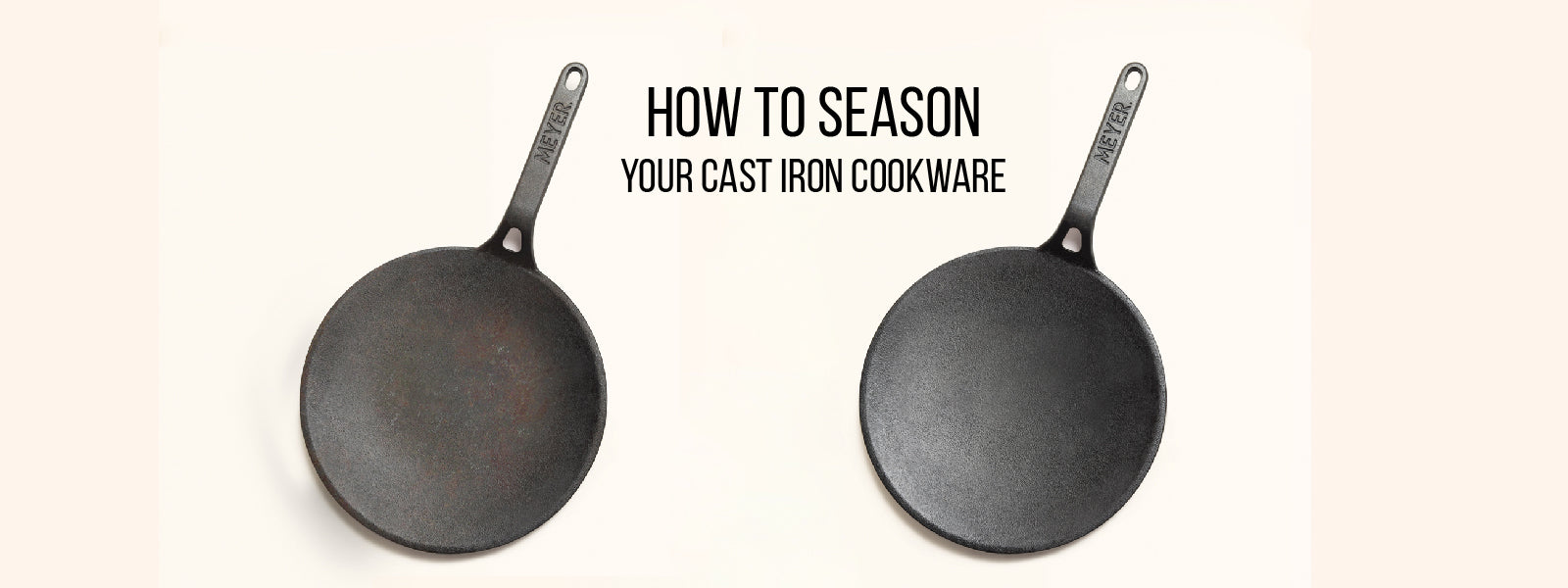
How To Season Cast Iron Cookware?
2 Items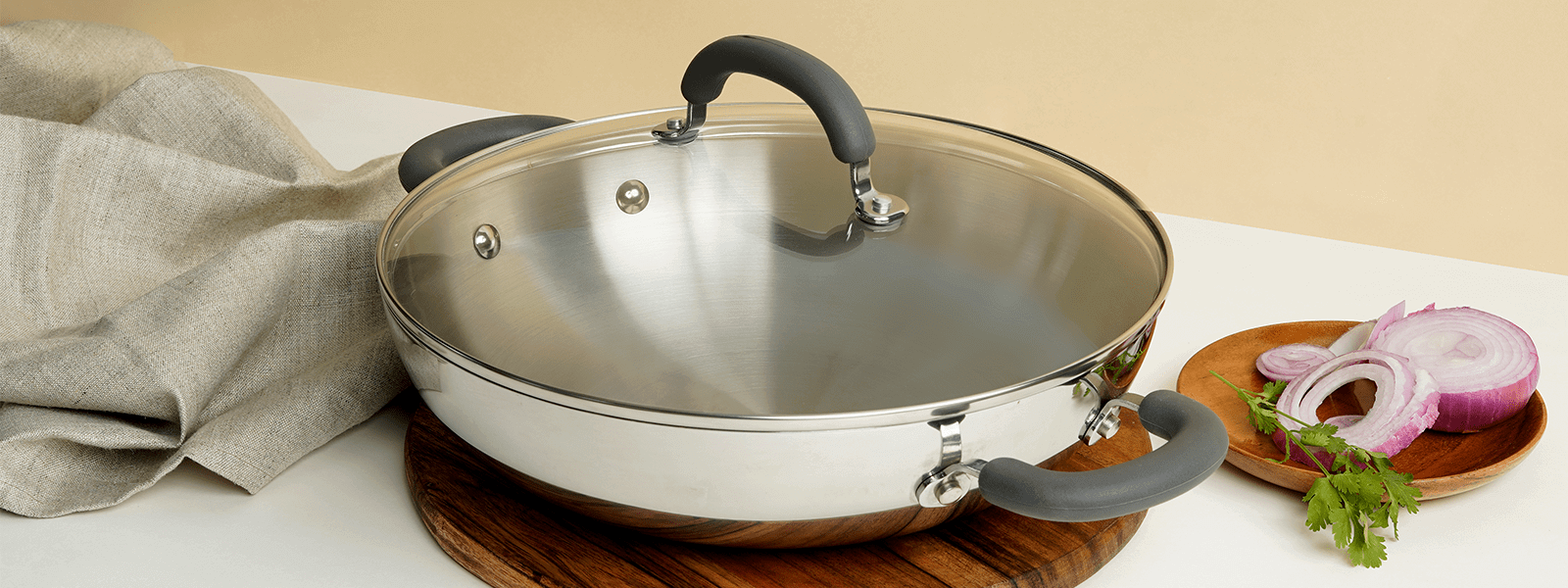
Best stainless steel cookware for summer cooking
2 Items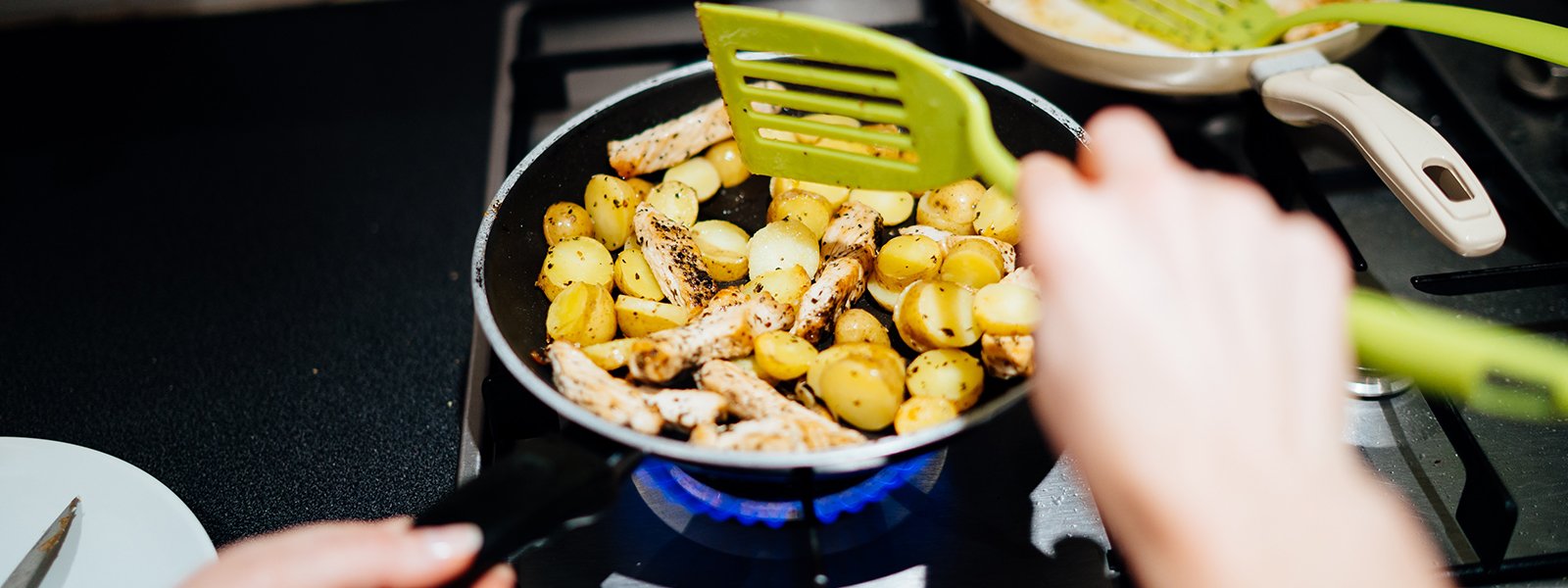
Non-stick cookware guide: How to buy a high-quality cookware
2 Items
Eco-Friendly Cookware Options for the Sustainable Chef in 2025
2 Items
How does cookware impact your health?
2 Items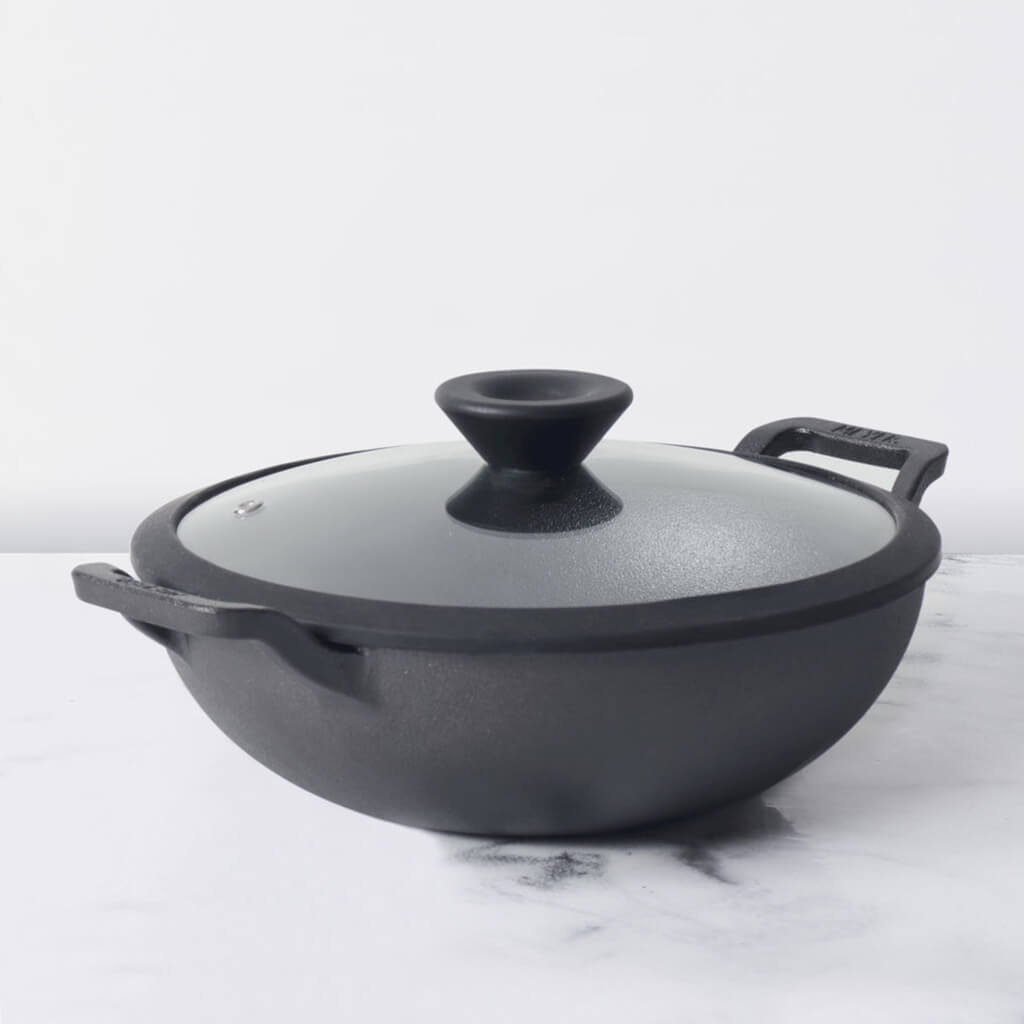


Leave a comment