



A perfectly puffed roti is a sign of good technique—and more importantly, the right pan temperature and cookware. Yet many home cooks face the same issue: the roti puffs partially, only on one side, or stays flat despite following the recipe exactly.
If this sounds familiar, the problem is rarely the dough. In most cases, it’s about uneven heat, incorrect tawa material, or poor temperature control. Let’s break it down scientifically and practically.
Table of Contents
- 1. How Roti Puffing Actually Works
- 2. The #1 Reason: Uneven Pan Temperature
- 3. Understanding Ideal Roti Pan Temperature
- 4. Cookware Material: Why It Makes or Breaks Roti Puffing
- 5. Gas vs Induction: Does Stove Type Affect Puffing?
- 6. Step-by-Step Method for Evenly Puffed Rotis
- 7. Other Common Mistakes That Prevent Even Puffing
- 8. Conclusion
How Roti Puffing Actually Works
Roti puffing is a steam-driven process.
When a rolled roti hits a hot tawa:
- The bottom layer seals quickly
- Moisture inside converts into steam
- Steam pushes the layers apart
- Even heat allows steam to expand uniformly
If heat is uneven—even slightly—the steam escapes from the weaker area, causing one-sided puffing.

The #1 Reason: Uneven Pan Temperature
Most rotis fail to puff evenly because the tawa does not heat uniformly.
Why This Happens
- Thin tawas develop hot spots
- Lightweight pans lose heat instantly when dough is placed
- Low-quality steel doesn’t spread heat evenly
Best Solution
Use a heavy, evenly heating tawa that maintains stable temperature throughout cooking.
Ideal choices:
-
Meyer Pre-Seasoned Cast Iron Roti/Chapati Tawa – Excellent heat retention and even cooking
-
Meyer Trivantage Stainless Steel Tri-Ply Flat Tawa – Uniform heat distribution with faster response
Meyer Trivantage Stainless Steel Triply Cookware Flat Tawa, 28cm
Understanding Ideal Roti Pan Temperature
Too Hot
- Roti browns too fast
- Steam escapes before puffing
- Results in hard, partially puffed rotis
Too Cold
-
Dough dries instead of steaming
-
No puffing
-
Pale, chewy texture
Perfect Temperature Test
Sprinkle a few drops of water on the tawa:
-
They should sizzle and evaporate slowly
-
If they vanish instantly → pan too hot
-
If they sit without sizzling → pan too cold
Cookware Material: Why It Makes or Breaks Roti Puffing
Cast Iron Tawa
-
Holds heat exceptionally well
-
Eliminates cold spots
-
Ideal for gas cooking
Best for: Soft, fully puffed rotis, phulkas, chapatis
Recommended: Meyer Pre-Seasoned Cast Iron Roti Tawa
Tri-Ply Stainless Steel Tawa
-
Even heat across base and sides
-
Reacts faster to flame adjustments
-
Works perfectly on induction
Best for: Controlled cooking, induction users
Recommended: Meyer Trivantage Tri-Ply Flat Tawa
Thin Aluminium or Lightweight Steel
- Heats unevenly
- Loses temperature quickly
- Causes partial puffing
Verdict: Avoid for daily roti making
Gas vs Induction: Does Stove Type Affect Puffing?
Yes—and your cookware must match your stove.
Gas Stove
- Flame-based heat
- Cast iron performs best due to heat retention
Induction Cooktop
-
Magnetic, surface heating
-
Tri-ply stainless steel gives consistent results
Meyer tawas are designed to perform efficiently on both gas and induction, making them reliable for modern kitchens.
Step-by-Step Method for Evenly Puffed Rotis
-
Preheat tawa on medium heat for 2–3 minutes
-
Place evenly rolled roti on the hot surface
-
Cook until bubbles appear (first side)
-
Flip and press gently with a cloth or spatula
-
Let steam build evenly
-
Optional: Finish briefly on open flame
Pro tip: Don’t press too hard—light pressure helps steam circulate without tearing layers.
Other Common Mistakes That Prevent Even Puffing
Uneven Rolling
Thin edges allow steam to escape early.
Fix: Roll evenly from center outward.
Dry Dough
Low moisture = low steam.
Fix: Knead soft dough and rest it for 15–20 minutes.
Overcrowding the Pan
Cooking rotis too quickly lowers pan temperature.
Fix: Allow the tawa to reheat between rotis.
Signs Your Tawa Is Right for Rotis
- Rotis puff without effort
- Brown spots are evenly distributed
- Texture remains soft even after cooling
- Minimal pressing required
If your tawa fails these checks, upgrading cookware can instantly improve results.
Conclusion
If your roti puffs on one side only, it’s not a skill issue—it’s a heat management and cookware problem. Choosing a well-designed tawa with even heat distribution solves most roti troubles effortlessly.
With cookware like the Meyer Pre-Seasoned Cast Iron Roti Tawa or Meyer Trivantage Tri-Ply Flat Tawa, consistent heat, better steam retention, and beautifully puffed rotis become a daily reality. Great rotis aren’t rushed—they’re evenly heated.
MORE FROM BLOG
Top Collections
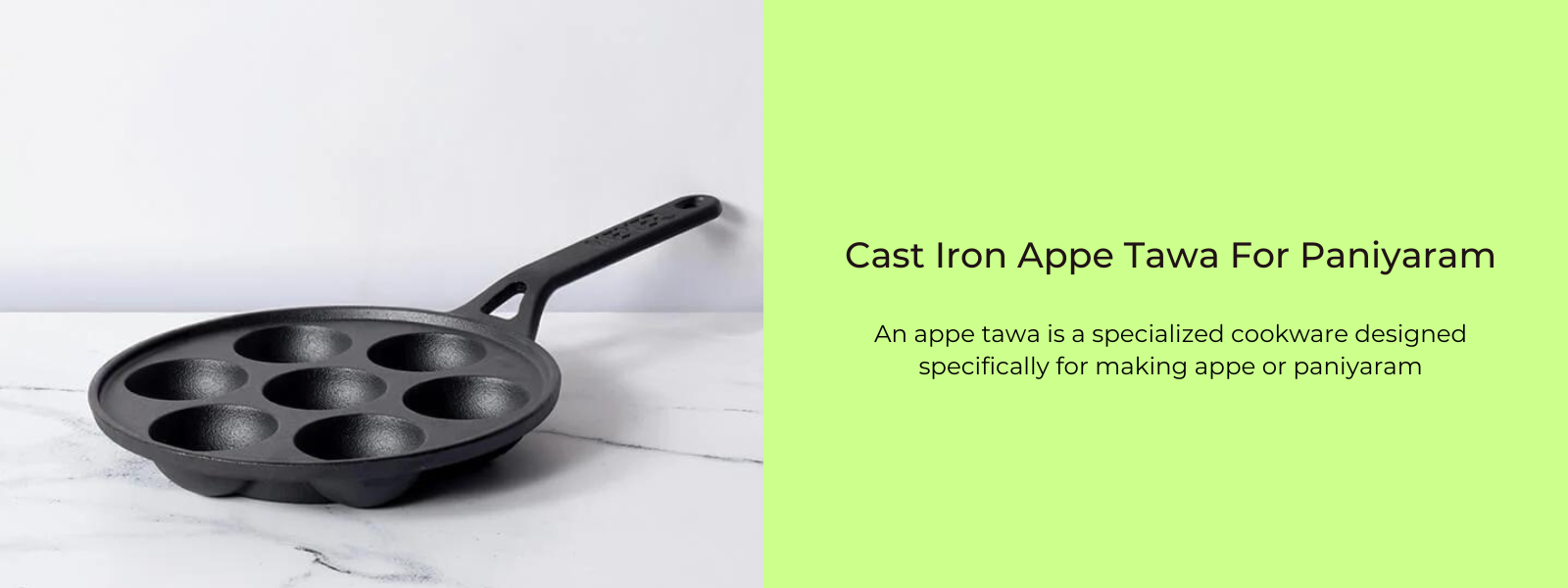
Best Cast Iron Appe Tawa For Paniyaram
2 Items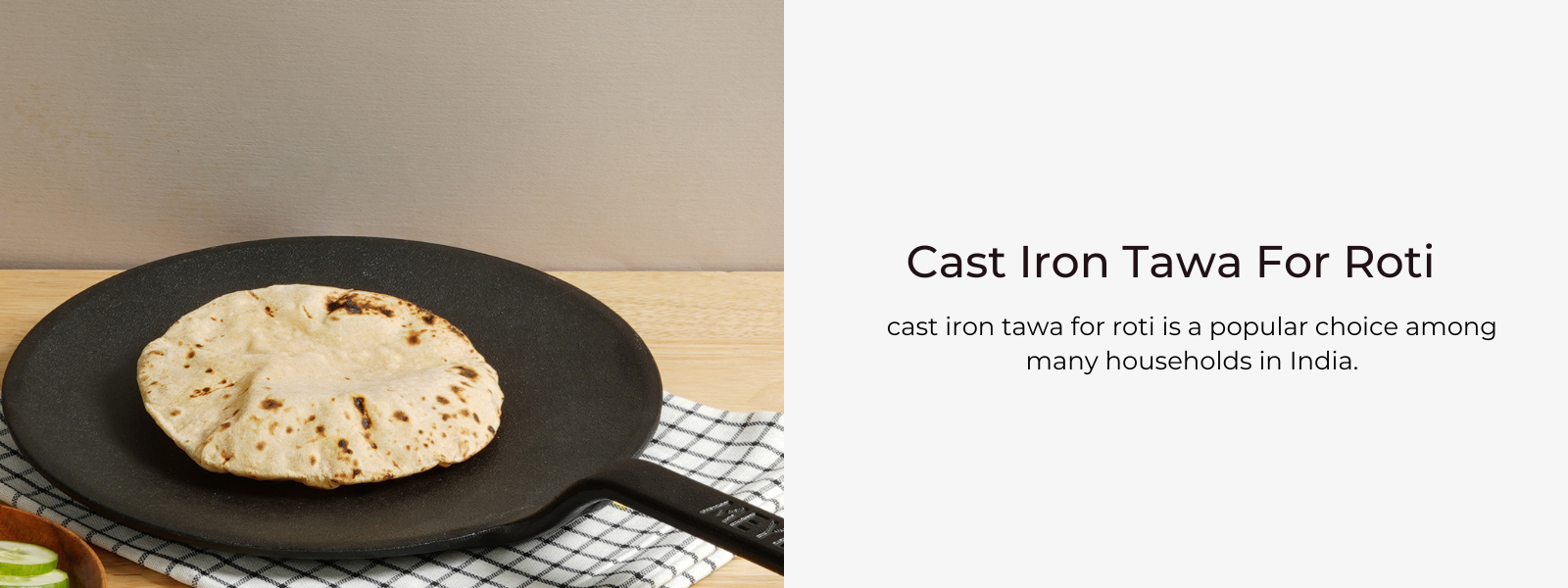
Best Cast Iron Tawa For Roti In India For Easy Cooking
2 Items
Best Hard Anodised Tawa With Smoothest Food Release
2 Items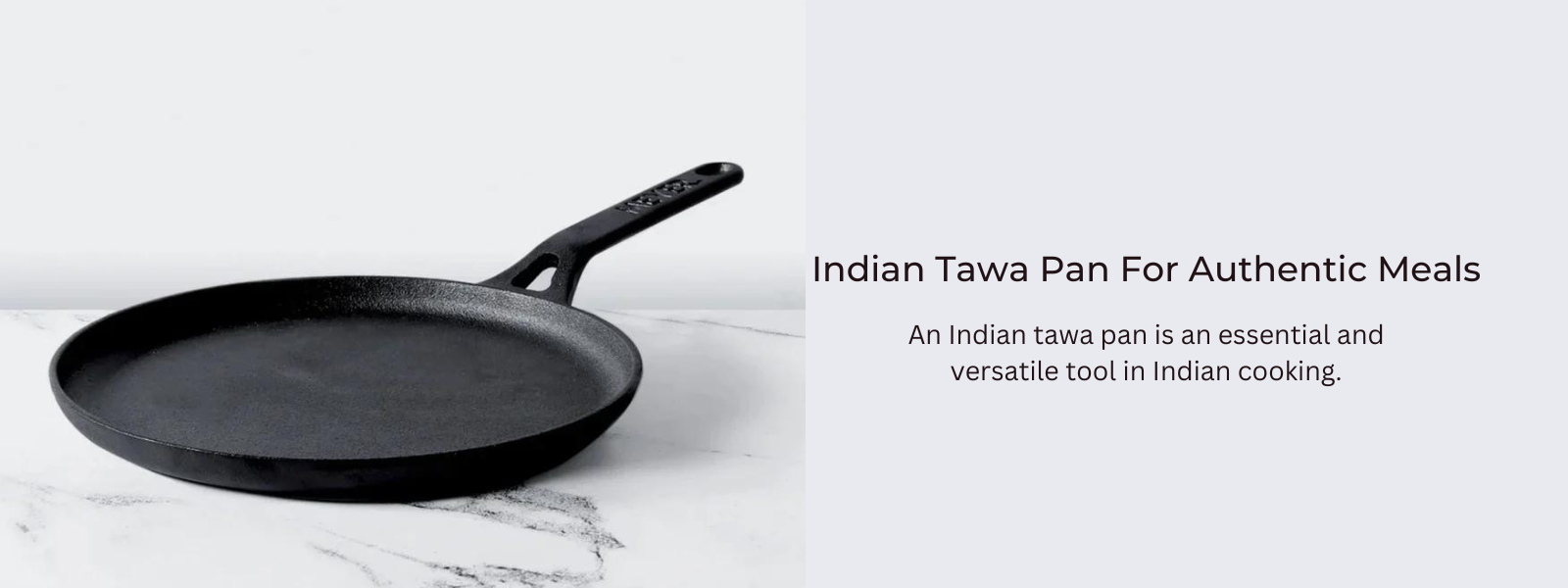
Indian Tawa Pan For Authentic Meals
2 Items
Best Non Stick Roti Tawa in India For Minimal Oil Cooking
2 Items
Buy Best Dosa Ka Tawa in India: Widest Collection Of Tawas
2 Items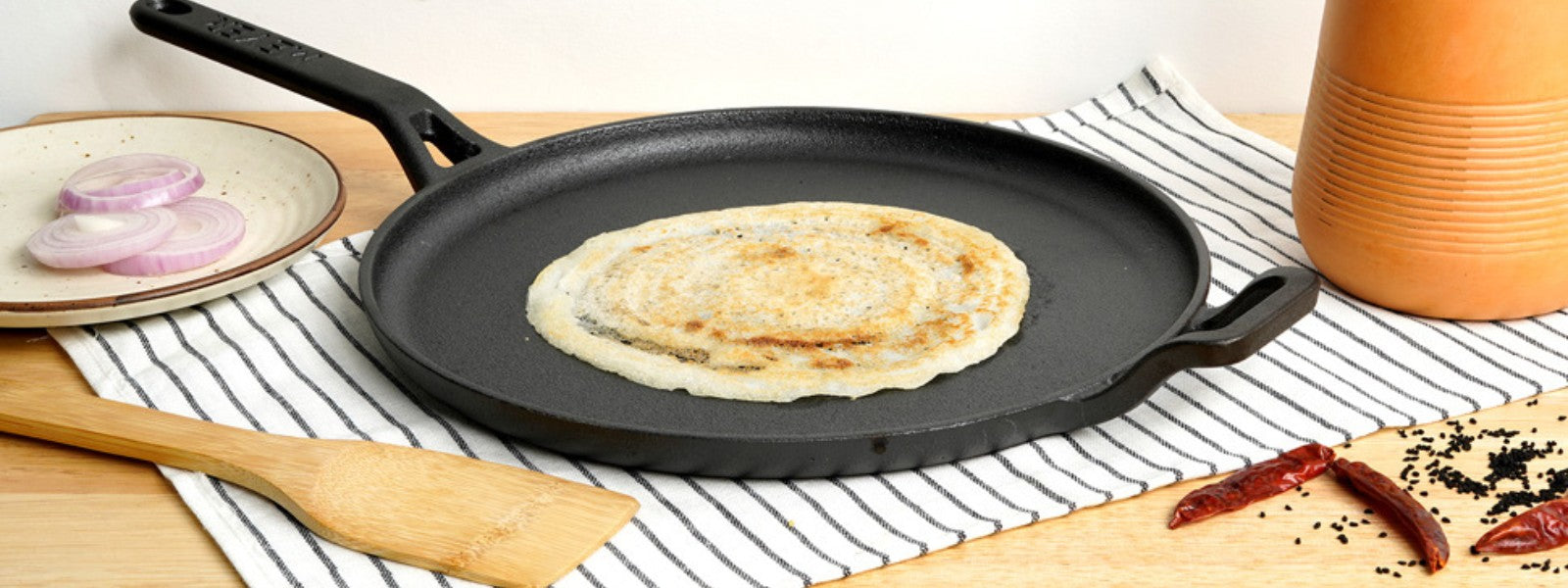
Enjoy Crispy Dosas with a Cast Iron Dosa Tawa | Pots and Pans India
2 Items


Leave a comment