



The aroma of a well-made tadka is one of the foundations of Indian cooking. When cumin crackles gently, mustard pops without burning, garlic turns light golden, and curry leaves sizzle briefly, the kitchen fills with a warm, layered fragrance.
If your tadka smells sharp, burnt, bitter, or strangely flat, the issue is rarely the quality of spices. In most Indian kitchens, the real culprit is poor temperature control—often caused by unsuitable cookware.
This guide explains how temperature affects tadka aroma, why cookware choice matters, and how using specific Meyer cookware constructions helps achieve consistently aromatic tempering.
Table of Contents
- 1. What Creates Aroma in Tadka?
- 2. Signs Your Tadka Temperature Is Too High
- 3. Why Temperature Control Is Critical for Tadka
- 4. How Cookware Construction Affects Tadka Aroma
- 5. Why Thin Cookware Often Ruins Tadka
- 6. How Meyer Tri-Ply Stainless Steel Improves Tadka Results
- 7. Using Meyer Stainless Steel Tadka Pans for Precision
- 7. Meyer Hard Anodized Cookware for Controlled Tempering
- 7. Correct Oil Temperature for Perfect Tadka
- 7. Correct Sequence Matters as Much as Temperature
- 7. Flame Control Tips That Work with Meyer Cookware
- 7. Why the Right Meyer Cookware Improves Tadka Aroma Long-Term
- 7. Conclusion
What Creates Aroma in Tadka?
Tadka works by releasing essential oils from whole spices into hot fat. These oils are highly volatile and extremely sensitive to heat.
For proper aroma development:
-
Oil must heat evenly, not aggressively
-
Spices should bloom, not scorch
-
Heat must be stable for a short window
If the oil overheats even briefly, these aromatic compounds break down, leaving behind bitterness or a burnt smell.

Signs Your Tadka Temperature Is Too High
If your tadka doesn’t smell right, you may notice:
-
Garlic browning the moment it hits the oil
-
Cumin or mustard turning dark instead of fragrant
-
Oil smoking before spices are added
-
A sharp or acrid smell rather than warmth
These are classic signs of uneven or excessive heat, often caused by thin or poorly constructed pans.
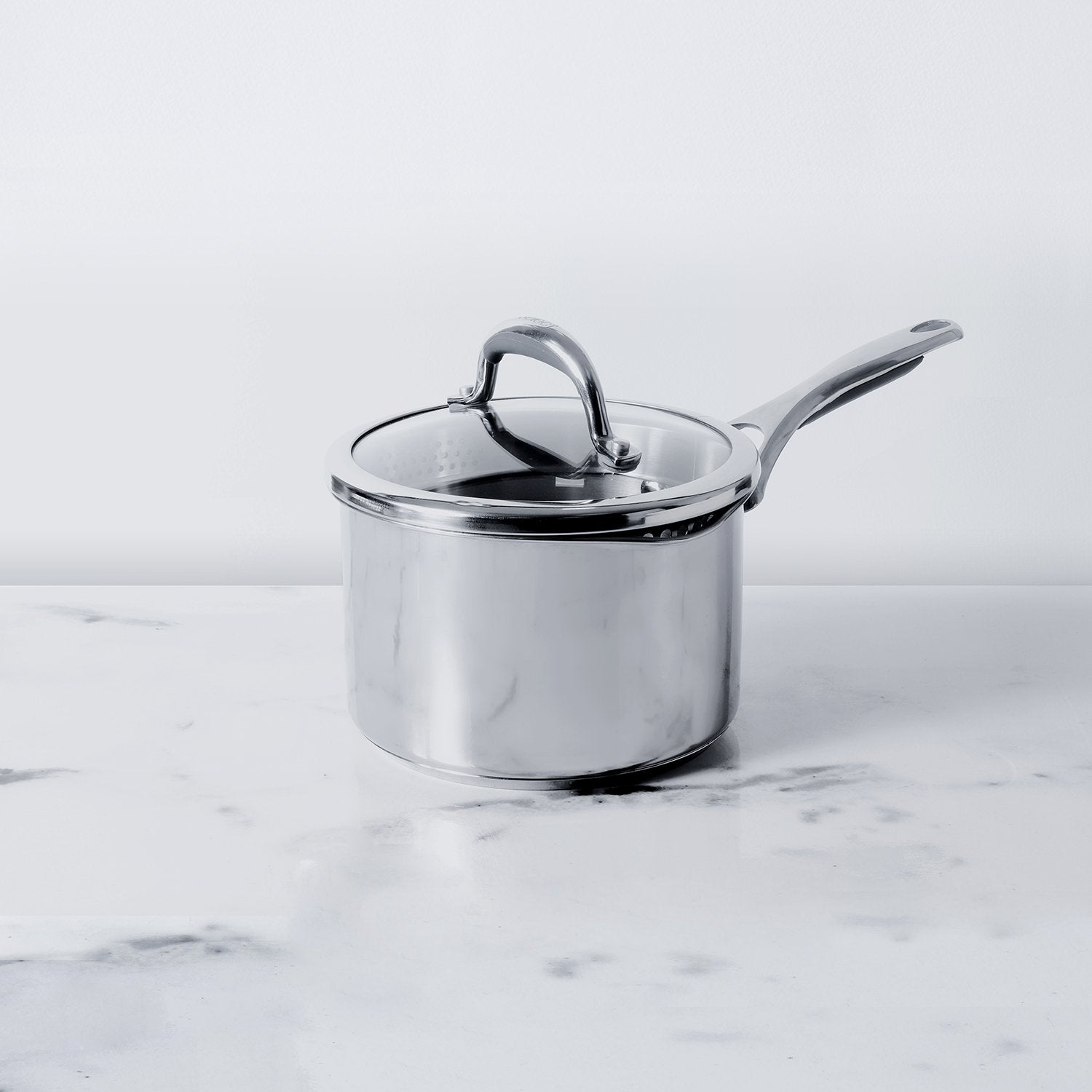
Meyer Trivantage 26cm Tri-Ply Stainless Steel Tope With Lid
Why Temperature Control Is Critical for Tadka
Tadka happens fast. A few seconds can completely change the outcome.
-
Mustard seeds need controlled medium heat to crackle properly
-
Cumin releases aroma before it changes colour
-
Garlic should turn pale gold, not brown
-
Curry leaves need brief, intense contact without lingering heat
This precision is difficult to achieve in cookware that heats unevenly or spikes in temperature.
How Cookware Construction Affects Tadka Aroma
Temperature control is not only about flame setting. Cookware construction plays a decisive role.
Poorly made pans:
-
Heat fastest at the centre
-
Develop hot spots
-
Cause oil to overheat suddenly
This leads to spices burning before their oils can release.
Well-engineered cookware spreads heat evenly, keeping oil within the ideal temperature range for tadka.
Why Thin Cookware Often Ruins Tadka
Thin aluminium or lightweight pans heat up almost instantly. The centre becomes extremely hot while the edges remain cooler.
As a result:
-
Oil reaches smoking point too quickly
-
Spices burn on contact
-
Aroma is lost before it develops
This is why tadka often smells burnt even on medium flame.
How Meyer Tri-Ply Stainless Steel Improves Tadka Results
Meyer’s tri-ply stainless steel cookware is particularly effective for tadka because of its layered construction—an aluminium core sandwiched between stainless steel.
This design:
-
Distributes heat evenly across the base
-
Prevents sudden temperature spikes
-
Responds quickly when flame is adjusted
Tri-ply stainless steel kadais and saucepans are ideal for making tadka directly in the pan or preparing a separate tempering for dal and curries.
Using Meyer Stainless Steel Tadka Pans for Precision
Meyer’s stainless steel tadka pans are designed for small-quantity, high-control cooking.
Their advantages include:
-
Compact size for focused heating
-
Even heat distribution for oil
-
Quick responsiveness during spice blooming
These pans are especially useful when preparing tadka separately and pouring it over dals, khichdi, or curd-based dishes.
Meyer Hard Anodized Cookware for Controlled Tempering
Meyer’s hard anodized cookware offers excellent heat conductivity with better control than thin aluminium.
When used on medium flame:
-
Oil heats evenly
-
Spices bloom more predictably
-
Risk of scorching is reduced
Hard anodized kadais and fry pans work well for everyday tadka, especially in busy Indian kitchens.
Correct Oil Temperature for Perfect Tadka
Oil should be hot, not smoking.
A simple check:
-
Add one cumin seed—if it sizzles and rises slowly, the oil is ready
-
If it darkens instantly, the oil is too hot
-
If nothing happens, it needs more heat
Even-heating cookware like tri-ply stainless steel makes this temperature window easier to maintain.
Correct Sequence Matters as Much as Temperature
Even with the right pan, adding ingredients in the wrong order can ruin aroma.
Best practice:
-
Heat oil or ghee evenly
-
Add whole spices first
-
Add garlic, ginger, or onions next
-
Add curry leaves and dry chillies last
Stable cookware temperature ensures each ingredient gets the heat it needs—no more, no less.
Flame Control Tips That Work with Meyer Cookware
-
Start on medium flame, not high
-
Lower heat as soon as spices crackle
-
Remove the pan briefly if oil overheats
-
Avoid leaving the pan unattended
Meyer tri-ply and hard anodized cookware respond quickly to flame changes, giving better real-time control.
Why the Right Meyer Cookware Improves Tadka Aroma Long-Term
Tadka is prepared almost daily in Indian kitchens. Over time, warped or thin cookware loses heat consistency.
Meyer cookware is designed to:
-
Resist warping
-
Maintain even heat over years of use
-
Perform consistently on gas and induction
-
Support delicate, high-sensitivity cooking like tempering
This consistency ensures your tadka smells right—not just once, but every day.
Conclusion
Aromatic tadka isn’t about rushing or using more spices. It’s about precise temperature control at the right moment.
Using cookware designed for even heating—such as Meyer tri-ply stainless steel kadais, stainless steel tadka pans, or hard anodized cookware—allows spices to bloom fully without burning.
When temperature is right, aroma follows naturally. And when tadka smells right, the entire dish comes together beautifully.
MORE FROM BLOG
Top Collections
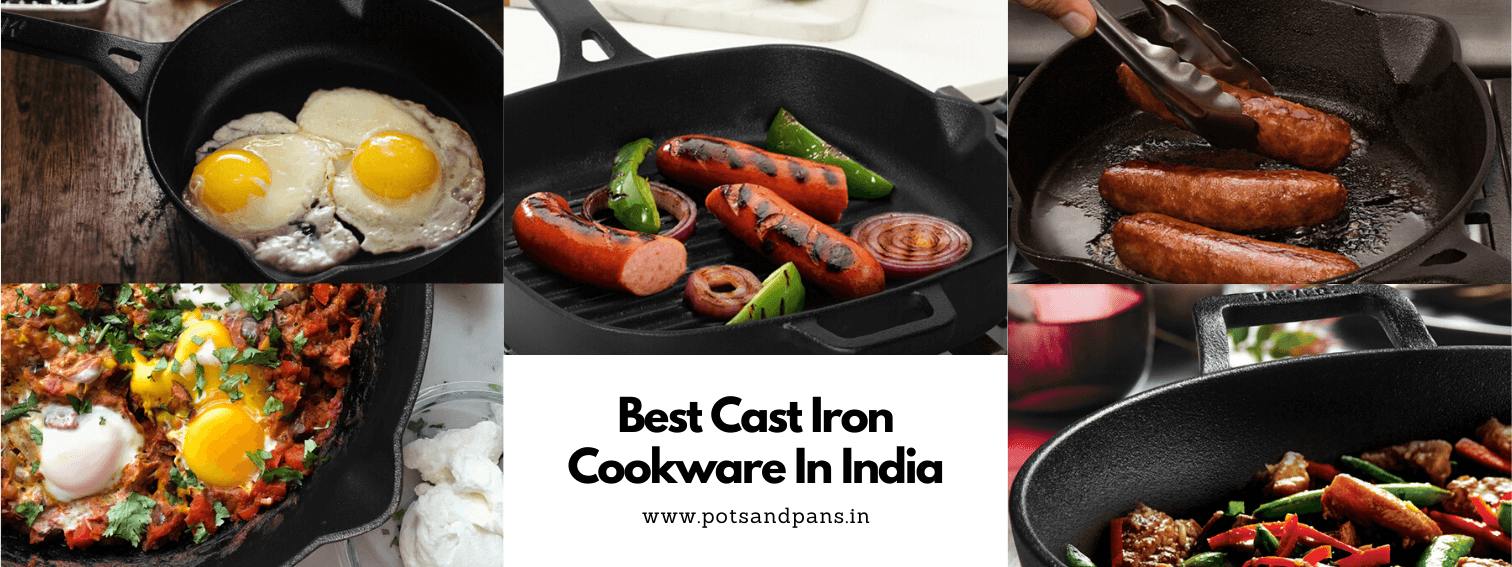
Best Cast Iron Cookware In India For Indian Food
2 Items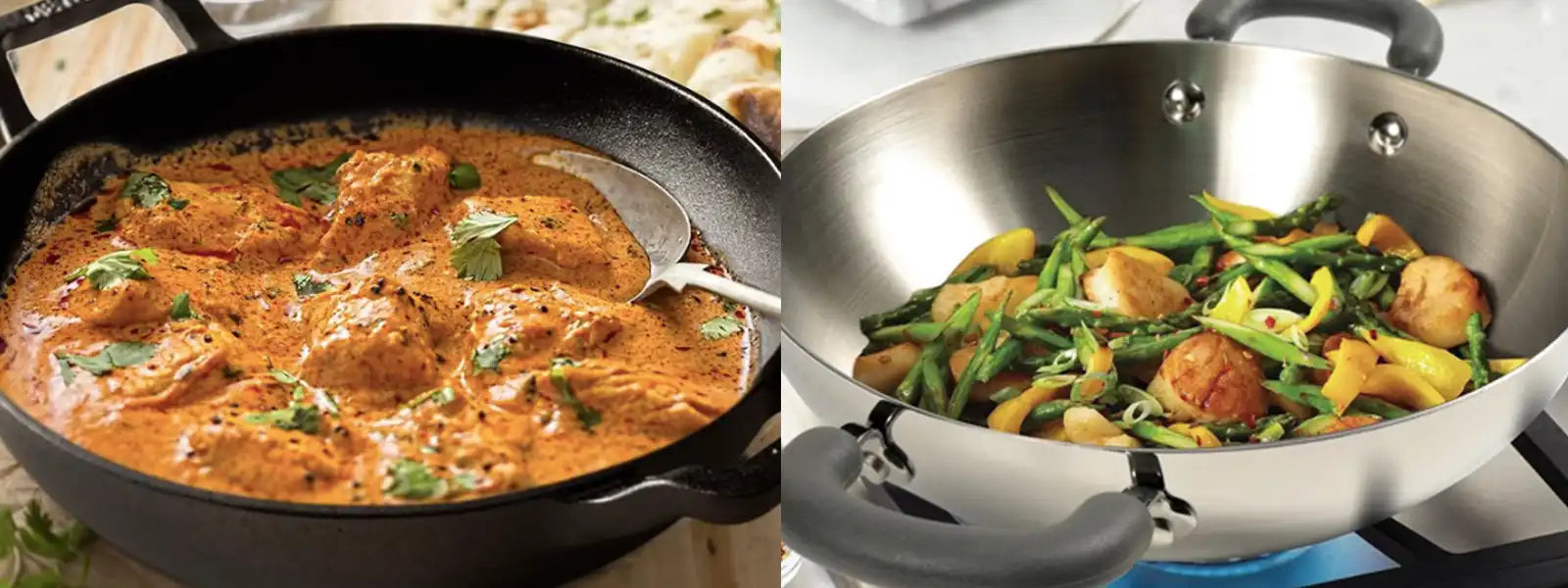
Cast Iron vs. Stainless Steel Cookware (What's the Difference?)
2 Items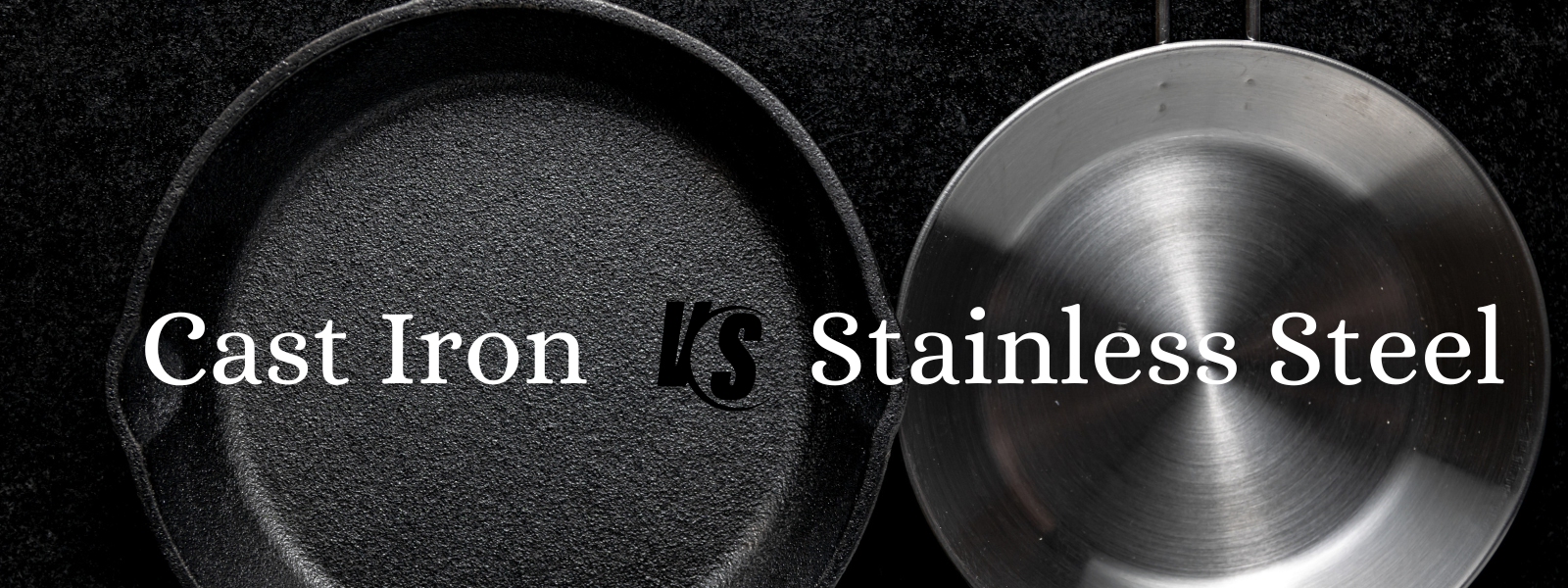
Cast Iron vs. Stainless Steel: Which is Better for Your Kitchen?
2 Items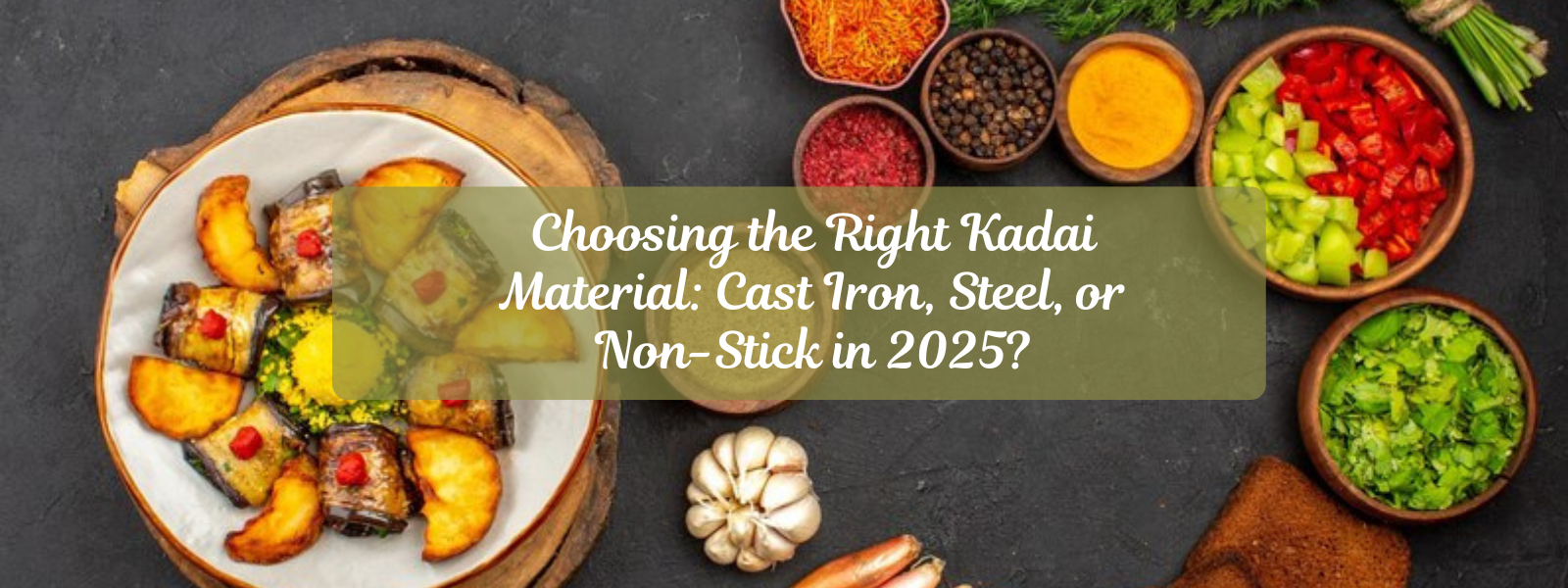
Choosing the Right Kadai Material: Cast Iron, Steel, or Non-Stick in 2025?
2 Items
How Is Cast Iron Cookware Made?
2 Items
Is Cast Iron Cookware Safe? Find out!
2 Items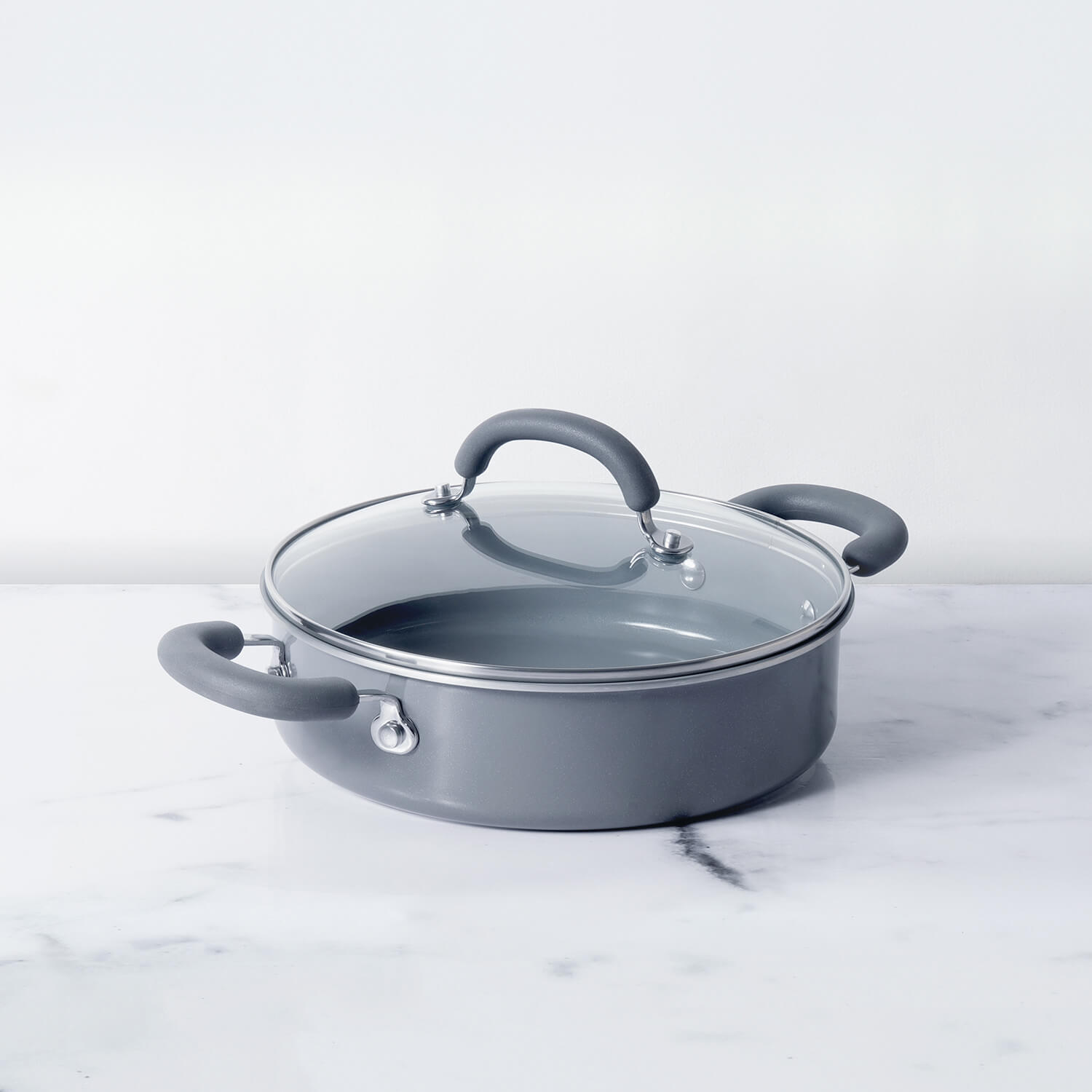


Leave a comment