



Maharashtrian cuisine is celebrated for its simplicity, freshness, and regional authenticity. Dishes like poha and sabudana khichdi stand at the heart of Maharashtrian households, forming an essential part of daily breakfast, light meals, and fasting menus. Although both recipes look effortless, achieving the perfect texture—fluffy poha that doesn’t turn sticky, or pearly sabudana that stays separate—requires more than the right ingredients. The cookware you choose plays a decisive role in heat distribution, moisture control, and the final flavor of these classic dishes.
Whether you prefer traditional cooking methods or modern effortless styles, selecting the correct pan or kadai ensures your Maharashtrian dishes come out consistently delicious. This guide breaks down the best cookware materials, shapes, and sizes for poha and sabudana khichdi.
Table of Contents
- 1. Why Cookware Matters for Poha and Sabudana Khichdi
- 2. Best Cookware Materials for Maharashtrian Breakfast Dishes
- 3. Essential Cookware Shapes for Poha and Sabudana Khichdi
- 4. How Different Meyer Cookware Pieces Help Enhance These Dishes
- 5. Cooking Tips to Perfect Poha and Sabudana Khichdi
- 6. Conclusion
Why Cookware Matters for Poha and Sabudana Khichdi
Poha and sabudana khichdi depend heavily on precision:
- Poha requires gentle sautéing and tempering, along with even heating to avoid over-toasting the rice flakes.
- Sabudana khichdi needs low to medium heat to cook the pearls uniformly without clumping or sticking.
- Tempering mustard seeds, cumin, curry leaves, peanuts, and green chillies requires a pan that heats steadily without hotspots.
The right cookware ensures that spices bloom properly, potatoes cook evenly, and the final dish retains its signature lightness.

Best Cookware Materials for Maharashtrian Breakfast Dishes
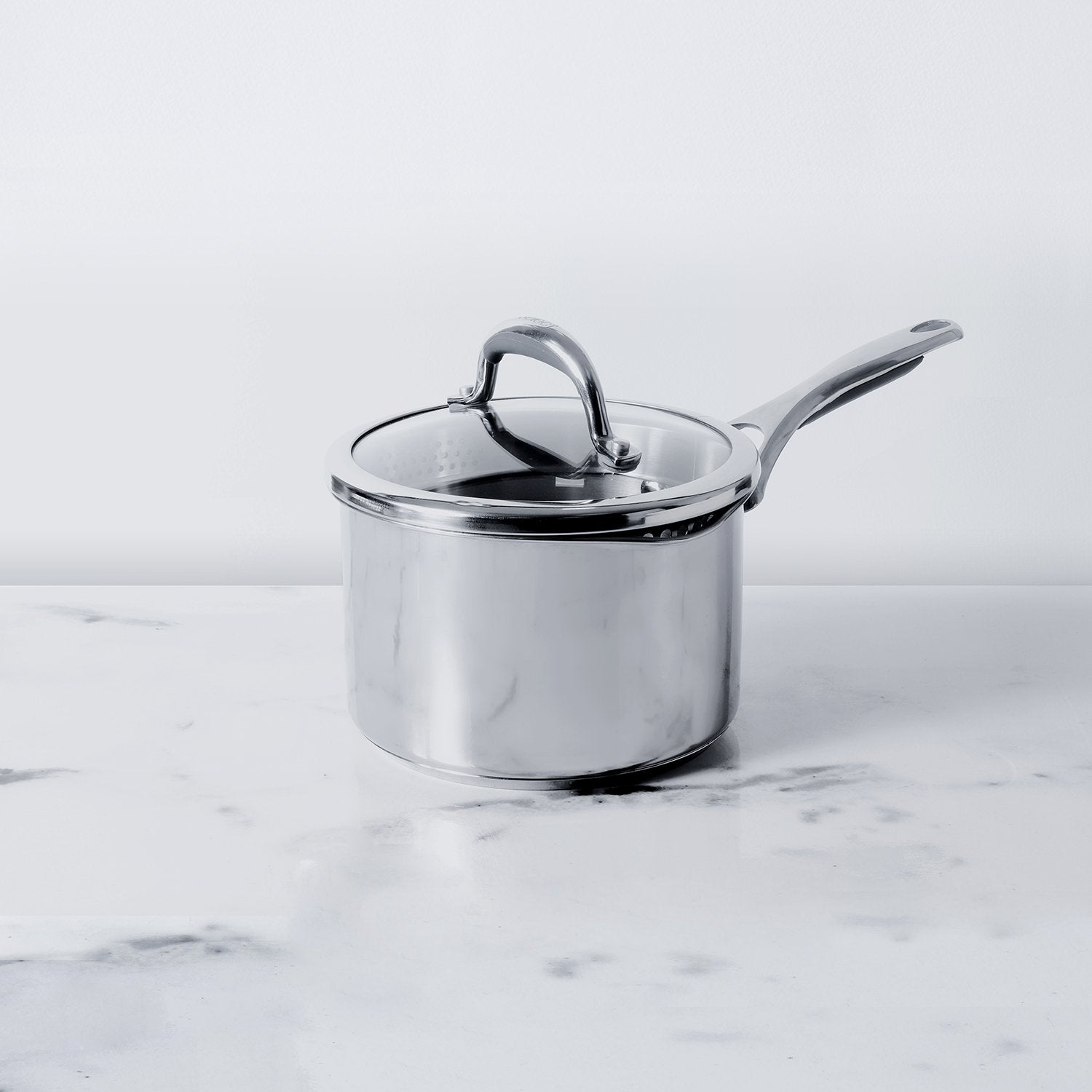
A high-quality tri-ply stainless-steel pan, such as the Meyer Trivantage Stainless Steel Kadai or Frypan, offers precisely what poha and sabudana need: consistent heating without burning. Tri-ply eliminates hotspots and keeps food from sticking, especially when cooking sabudana, where controlled heat is crucial.
Why it works:
-
Excellent heat control
-
Non-reactive and toxin-free
-
Perfect for sautéing potatoes, spices, and gently tossing soaked sabudana
-
Adds crispness without excessive oil
For an authentic, earthy Maharashtrian flavour, nothing beats cast iron. The Meyer Pre-Seasoned Cast Iron Kadai is ideal for deep sautéing, tempering, and creating evenly cooked poha that stays fluffy while absorbing flavours beautifully.
Why it works:
- Superior heat retention
- Natural non-stick layer develops with use
- Ideal for roasting peanuts and frying potatoes for poha
- Enhances traditional flavour profiles
- Durable and long-lasting
3. Non-Stick Hard-Anodized Cookware
For everyday convenience with minimal oil, the Meyer Hard Anodized Deep Kadai is ideal for light dishes like poha. Hard anodized cookware resists scratches, distributes heat well, and requires minimal oil—perfect for anyone seeking a lighter version of Maharashtrian breakfasts.
Why it works:
-
High heat tolerance without warping
-
Easy to clean
-
Safe for daily Indian cooking
-
Great for quick sautéing and tempering
Meyer Enamel Cast Iron Kadai, 26cm, Grey
Essential Cookware Shapes for Poha and Sabudana Khichdi
A deep kadai (22–26 cm) provides enough space for gently tossing soaked sabudana or poha without breaking the grains.
Best pick: Meyer Pre-Seasoned Cast Iron Kadai
A tri-ply sauté pan gives maximum control for tempering spices and sautéing diced potatoes evenly.
Best pick: Meyer Trivantage Tri-Ply Stainless Steel Frypan
Wide Non-Stick Pan
Perfect for those who want zero sticking, especially for sabudana khichdi.
Best pick: Meyer Hard Anodized Non-Stick Deep Frypan
How Different Meyer Cookware Pieces Help Enhance These Dishes
Meyer Pre-Seasoned Cast Iron Kadai
Ideal for: Poha, roasted peanuts, tempering
This kadai holds heat beautifully, making it ideal for traditional Maharashtrian cooking. It adds a subtle depth to the dish and ensures spices roast evenly.
Meyer Trivantage Tri-Ply Stainless Steel Frypan
Ideal for: Sabudana khichdi, sautéing potatoes
The even heat distribution is especially helpful for sabudana, preventing sticking and allowing each pearl to remain separate.
Circulon Hard Anodized Deep Kadai
Ideal for: Quick weekday cooking
This kadai heats quickly and uniformly, perfect for fast breakfasts like kanda poha or batata poha with minimum oil.
Cooking Tips to Perfect Poha and Sabudana Khichdi
-
Preheat stainless steel and cast-iron cookware before adding oil for proper tempering.
-
Keep the flame medium to low when cooking sabudana to prevent clumping.
-
Choose a kadai or pan with enough width to avoid overcrowding.
-
Use wooden or silicone spatulas to maintain cookware longevity.
-
Season cast iron regularly to build a natural non-stick surface.
Conclusion
For authentic, delicious Maharashtrian dishes like poha and sabudana khichdi, choosing the right cookware can completely transform your cooking experience. Meyer Cast Iron offers unmatched heat retention for flavourful tempering, while Meyer Tri-Ply Stainless Steel ensures perfect, even cooking without sticking. For effortless weekday meals, Meyer Non-Stick gives convenience and low-oil efficiency.
Investing in high-quality cookware not only improves taste and texture but also makes daily cooking quicker, healthier, and more consistent—exactly what busy Indian kitchens need.
MORE FROM BLOG
Top Collections
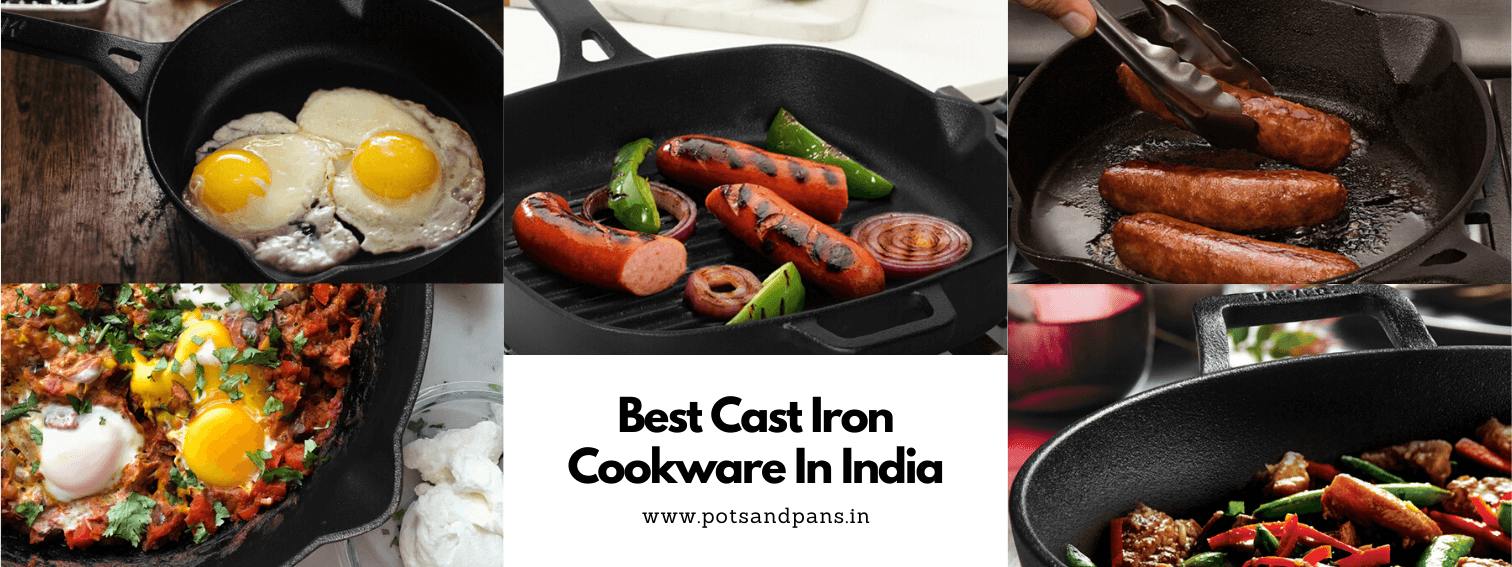
Best Cast Iron Cookware In India For Indian Food
2 Items
Best Handi Pressure Cookers for Traditional Cooking
2 Items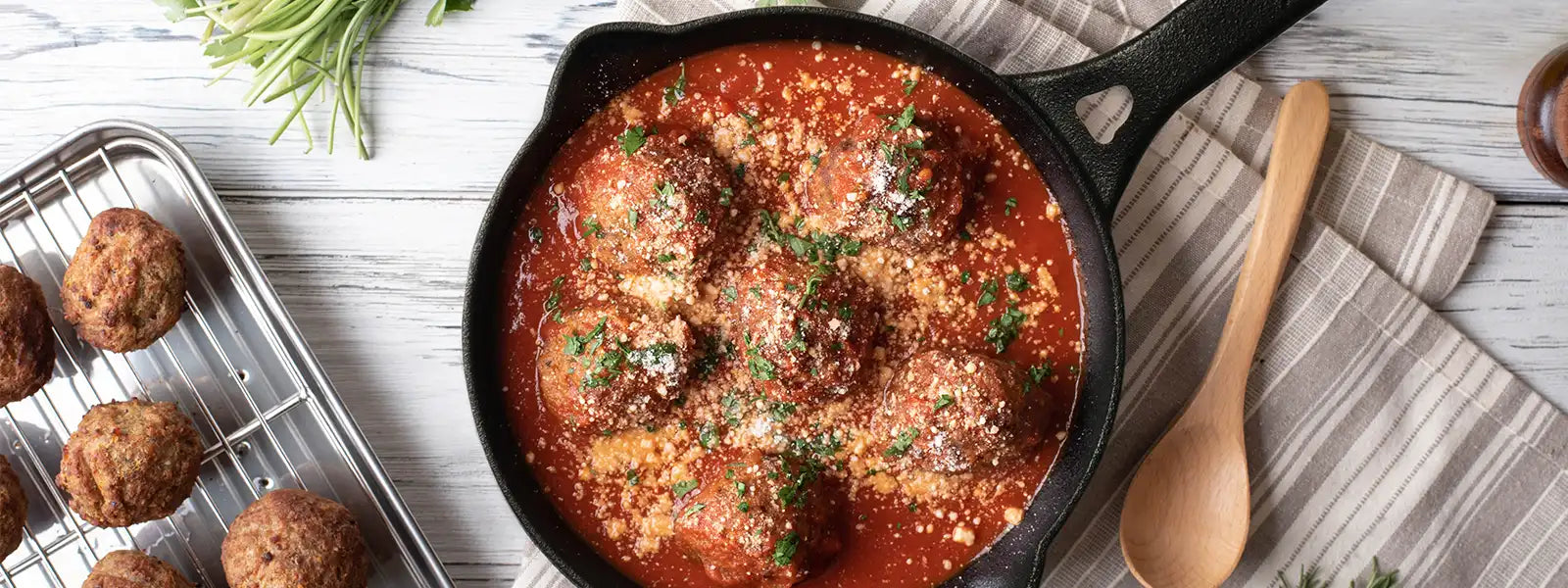
Cast iron cookware for Indian Curries
2 Items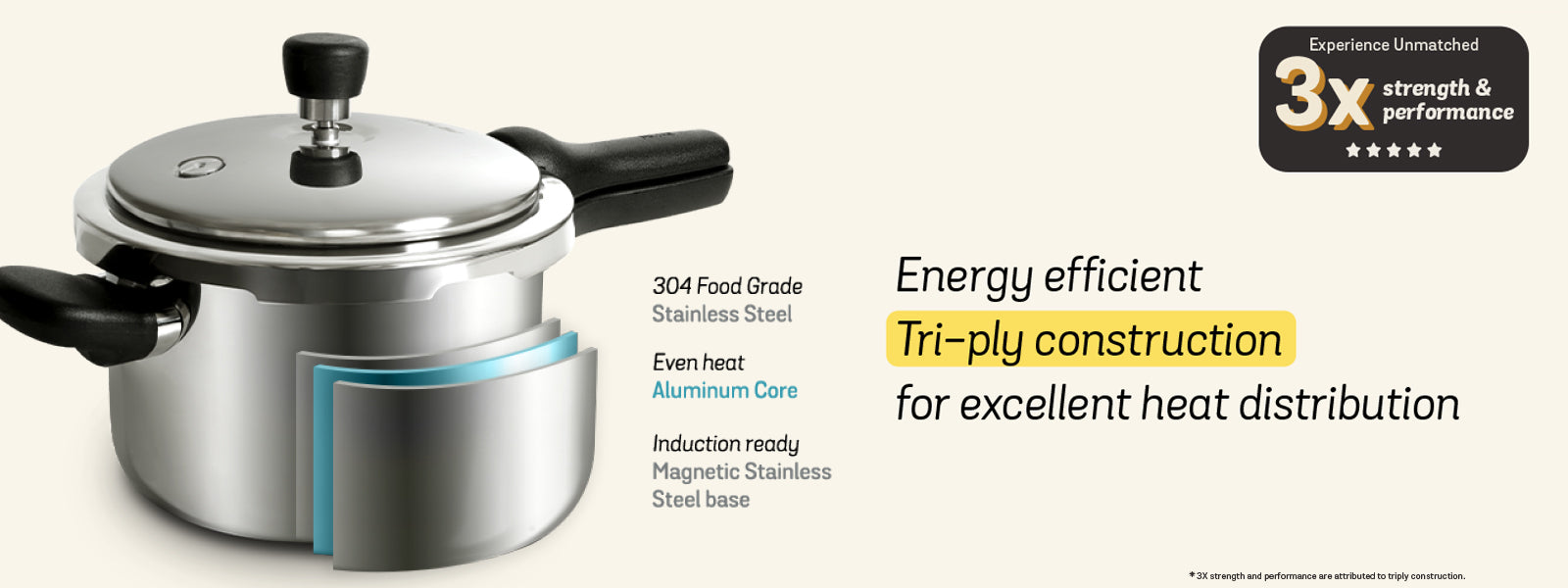
Cooker Sets: A Convenient Option for Every Kitchen
2 Items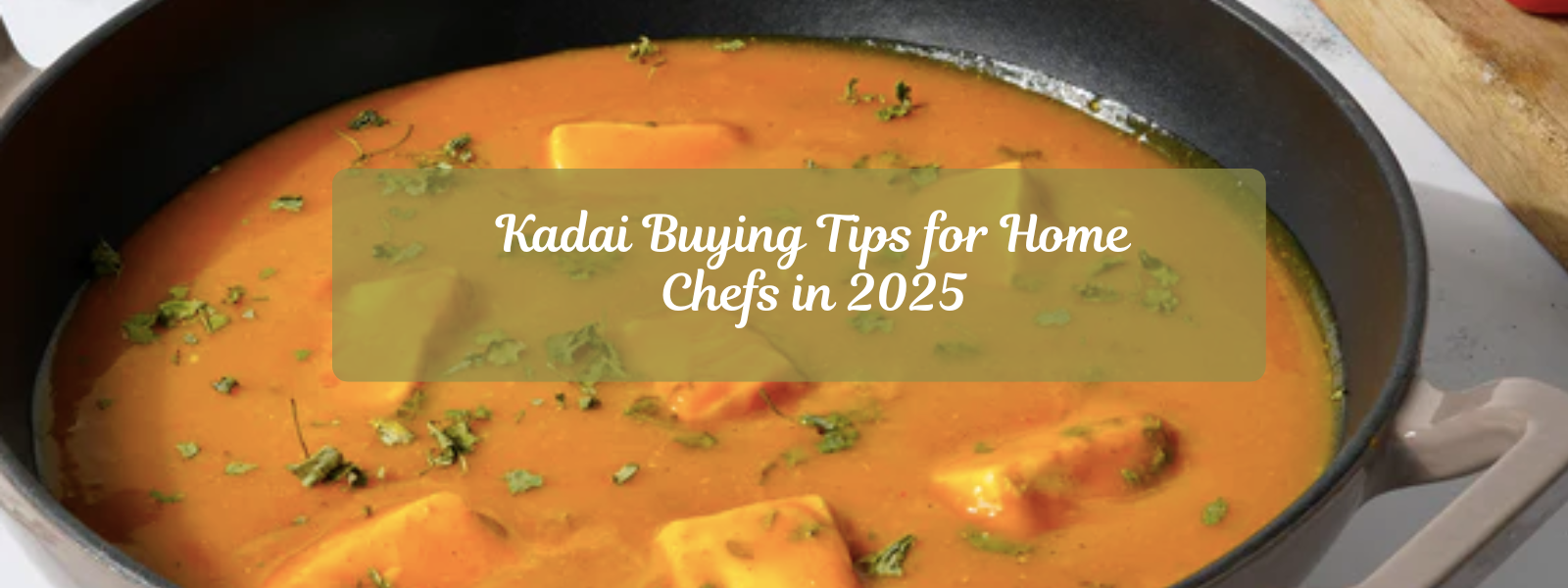
Kadai Buying Tips for Home Chefs in 2025
2 Items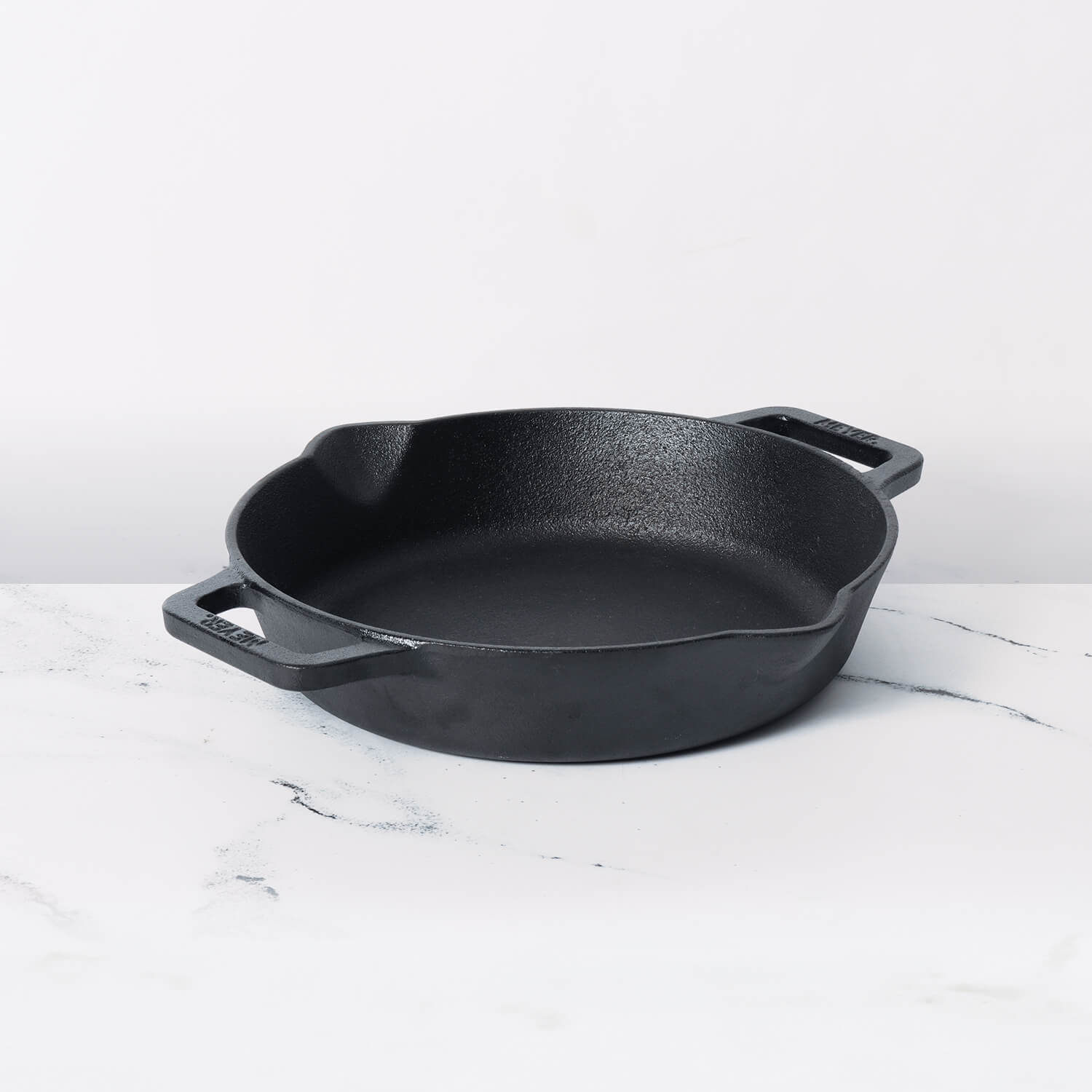


Leave a comment