



Indian cuisine is celebrated worldwide for its bold spices and comforting flavours. But many traditional dishes rely heavily on oil—whether it’s slow-sautéing onions for gravies, frying pakoras, or tempering spices for tadka. While oil adds richness, excessive use can contribute to weight gain, cholesterol issues, and lifestyle diseases.
The good news? You can still enjoy authentic Indian meals with much less oil without compromising taste. With a few smart techniques, better cookware choices, and ingredient adjustments, healthy Indian cooking becomes effortless.
This detailed guide shows exactly how to cook delicious, deeply flavoured Indian food using minimal oil, while retaining the authenticity you love.
Table of Contents
- 1. Choose the Right Cookware to Reduce Oil Usage
- 2. Use Non-Fried Bases for Gravies
- 3. Stir-Fry Vegetables on Medium Heat
- 4. Choose Naturally “Oil-Efficient” Foods
- 5. Bake or Air-Fry Instead of Deep Frying
- 6. Do a “Tadka on the Side”
- 7. Try Steam-Based Cooking for Snacks
- 8. Use Yogurt, Tomato, and Spice Pastes for Flavour
- 9. Make Smart Oil Choices
- 10. Conclusion
Choose the Right Cookware to Reduce Oil Usage
Cookware plays a major role in determining how much oil you need per dish.
Best Cookware Options for Low-Oil Indian Cooking
Ideal for:
-
cheelas, dosas, oats chilla
-
paneer tikka
-
shallow frying and sautéing
A high-quality non-stick pan needs only a teaspoon of oil or even none.
Its smooth, non-reactive surface helps:
-
onion browning with very little oil
-
sautéing vegetables
-
making bhindi, egg curry, or chicken masala
Hard anodized kadais distribute heat evenly, preventing food from sticking.
c) Tri-Ply Stainless Steel Cookware
Tri-ply heats quickly and retains heat for longer, allowing:
- low-oil stir-fries
- faster cooking
- reduced oil usage due to the natural non-stick effect when preheated properly
To promote healthy, low-oil cooking, you can use cookware like Meyer Anzen Ceramic Non-Stick Pans, Meyer Hard Anodized Kadhais, or Meyer Trivantage Tri-Ply Frypans, which maximize efficiency while minimizing oil.

Master the “Water Sauté” Technique
Instead of starting your gravies or sabzis with oil, use:
-
water
-
vegetable stock
-
thin buttermilk
This technique softens onions, tomatoes, and ginger-garlic without the need for oil. Once cooked, you can add just 1 teaspoon of oil at the end to “finish” the dish and enhance aroma.
How to do it:
-
Heat a pan and add 2–3 tablespoons of water.
-
Add onions and sauté until soft.
-
Add tomatoes and cook covered.
-
Add spices and toast them lightly.
You’ll get the same depth of flavour with far fewer calories.
Use Non-Fried Bases for Gravies
Many restaurant-style gravies depend on fried bases. You can achieve the same richness without deep frying.
Healthy alternatives:
-
Use roasted or boiled onion-tomato paste
-
Dry roast whole spices instead of frying
-
Roast besan until nutty for kadhi or gravies
-
Puree steamed vegetables (carrot, bottle gourd) for thickness
-
Use a handful of cashews or melon seeds soaked in warm water
These substitutes give body, texture, and creaminess—all without oil.
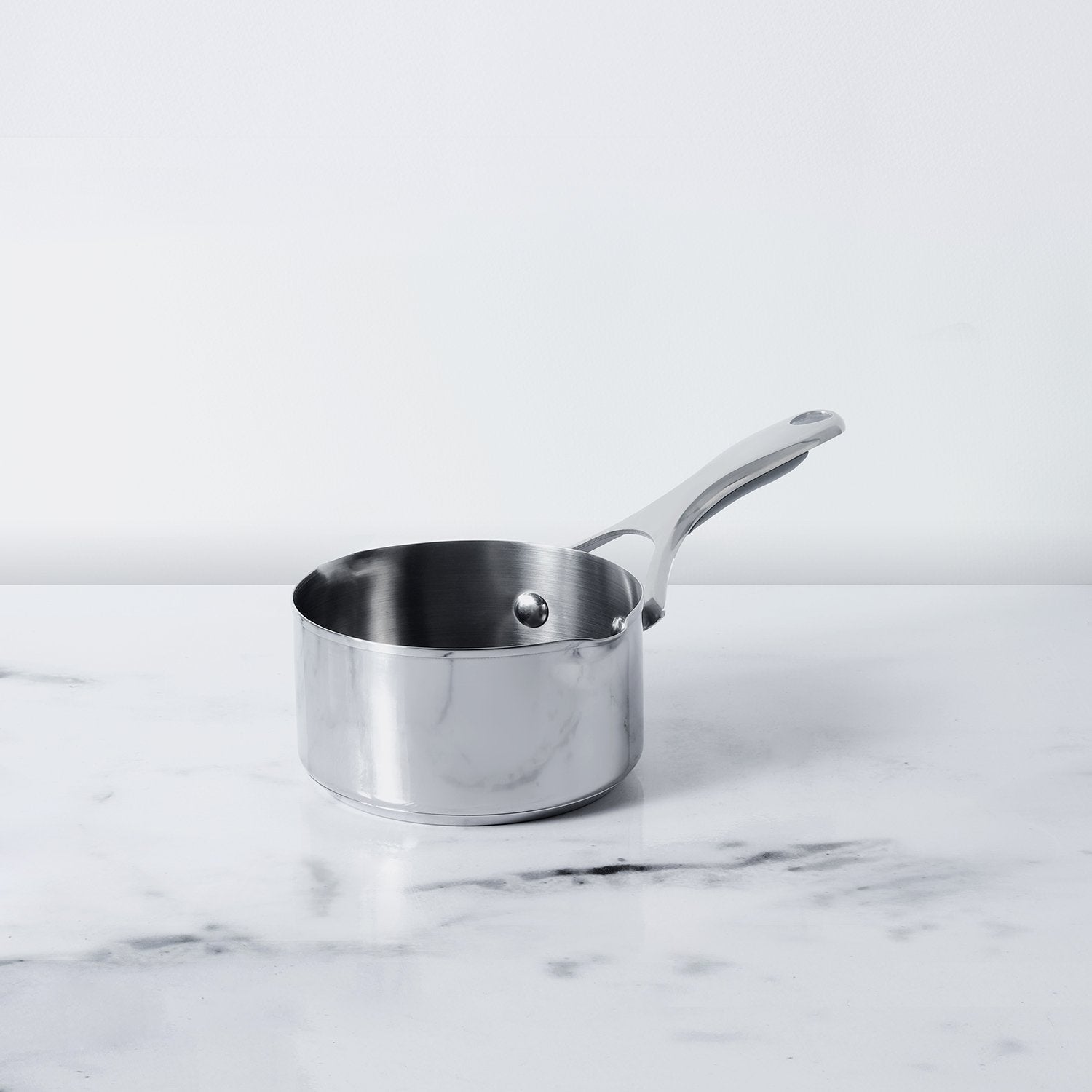
Circulon Origins 16cm Saucepan Non-Stick
Stir-Fry Vegetables on Medium Heat
Cooking on very high heat makes vegetables stick and burn, forcing you to add more oil.
Tips:
-
Always preheat the pan—especially tri-ply steel or hard anodized
-
Add veggies only when the pan is evenly hot
-
Cook on medium heat to avoid moisture loss
-
Toss instead of continuously stirring
-
Add a splash of water whenever needed
This method keeps veggies crisp, vibrant, and oil-free.
Choose Naturally “Oil-Efficient” Foods
Some ingredients naturally release moisture during cooking, reducing oil requirements.
Smart Choices:
- tomatoes
- onions
- bottle gourd
- spinach
- pumpkin
- mushrooms
- chicken (releases fat naturally during cooking)
Use these to build moisture-rich, flavourful dishes with less oil.
Bake or Air-Fry Instead of Deep Frying
Indian snacks are usually fried, but healthier versions taste just as good.
Healthier swaps:
-
baked samosas
-
air-fried pakoras
-
baked aloo tikki
-
roasted papad
-
oven-roasted kebabs
Use a good-quality baking tray or cast iron skillet to achieve crispy, golden textures with minimal oil.
Do a “Tadka on the Side”
Tempering is essential for Indian flavours but doesn’t always require a large amount of oil.
Method:
Prepare the tadka separately using:
-
½–1 teaspoon oil
-
spices like jeera, sarson, rai, hing
Pour it over the dish at the end.
This reduces oil while maintaining aroma.
Try Steam-Based Cooking for Snacks
Steamed snacks are naturally low in calories and high in flavour.
Examples:
- idlis
- dhoklas
- momos
- ragi idli
- oats dhokla
- vegetable dumplings
A multi-tier steamer (like Meyer 3-in-1 Multi Steamer) helps cook complete meals without a drop of oil.
Use Yogurt, Tomato, and Spice Pastes for Flavour
Instead of oil-laden gravies, rely on:
-
yogurt
-
curd-water mixture
-
tomato puree
-
onion paste
-
spice pastes sauteed in minimal water
These build flavour naturally and reduce oil dependency.
Make Smart Oil Choices
Even with minimal use, the type of oil matters.
Healthier options:
-
cold-pressed groundnut oil
-
mustard oil
-
sesame oil
-
coconut oil
-
olive oil (for low-heat dishes only)
Use them sparingly—1 to 2 teaspoons per dish is enough.
Conclusion
Healthy Indian cooking does not mean compromising taste or tradition. With the right cookware, smart techniques, and mindful ingredient choices, you can prepare delicious meals with minimal oil—perfect for weight management, heart health, and overall wellness.
By switching to better cooking methods like water sauté, steaming, roasting, and slow cooking—and by using efficient cookware like tri-ply steel, ceramic non-stick, or hard anodized pans—you create nutrient-rich meals that are both flavourful and light.
MORE FROM BLOG
Top Collections

Health and wellness begins with healthy cooking
2 Items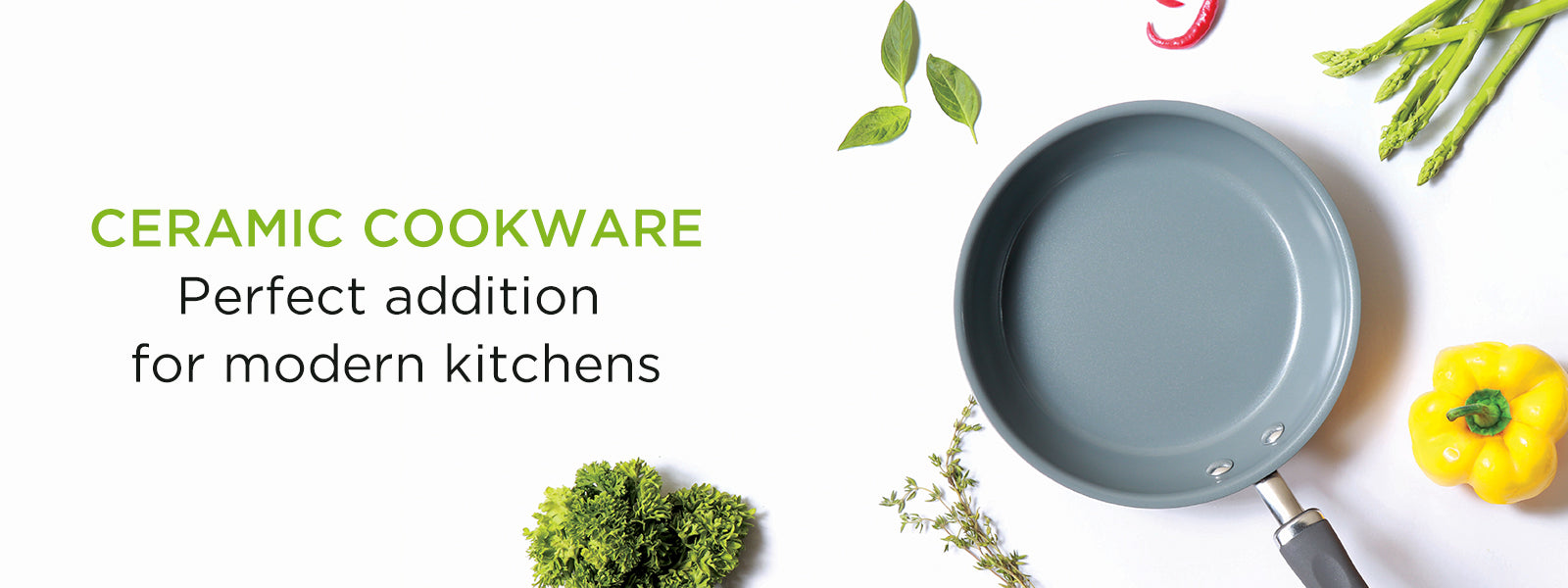
Health Benefits Of Cooking In Ceramic Cookware
2 Items
Health benefits of eating one banana everyday
2 Items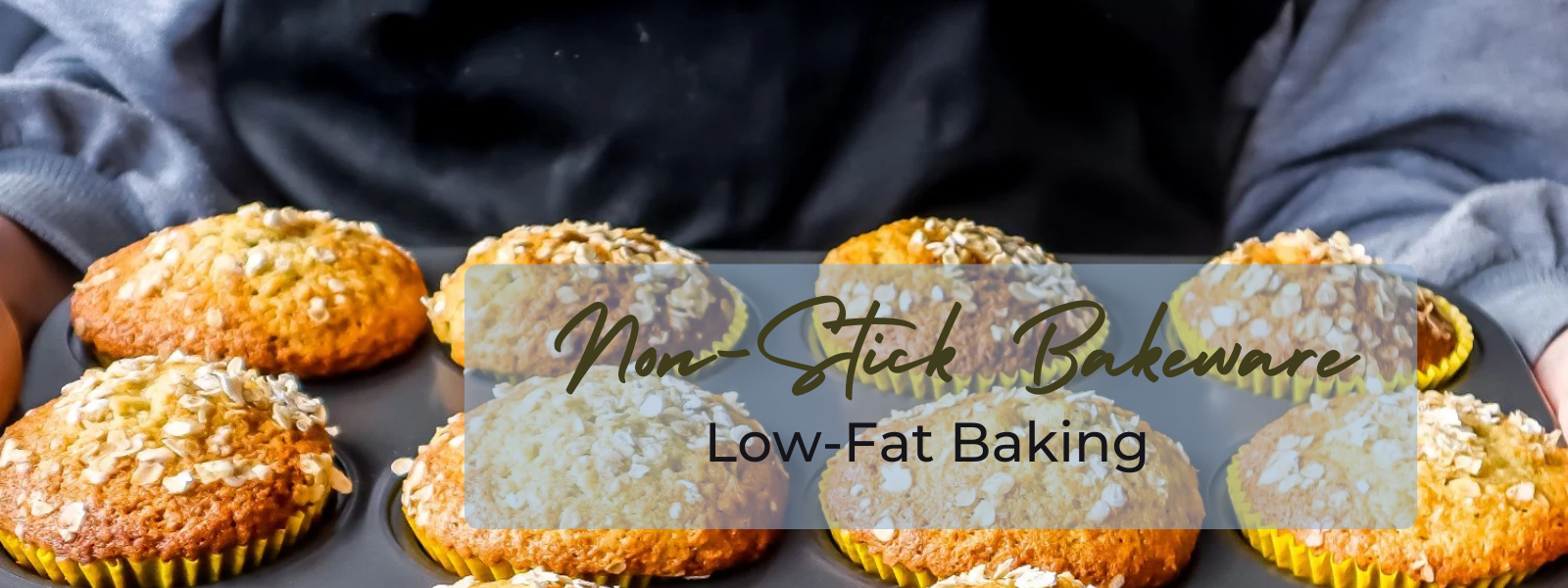
Health Benefits of Using Non-Stick Bakeware for Low-Fat Baking
2 Items
Healthy Eating Starts with Healthy Cookware - Cast Iron Cookware Health Benefits
2 Items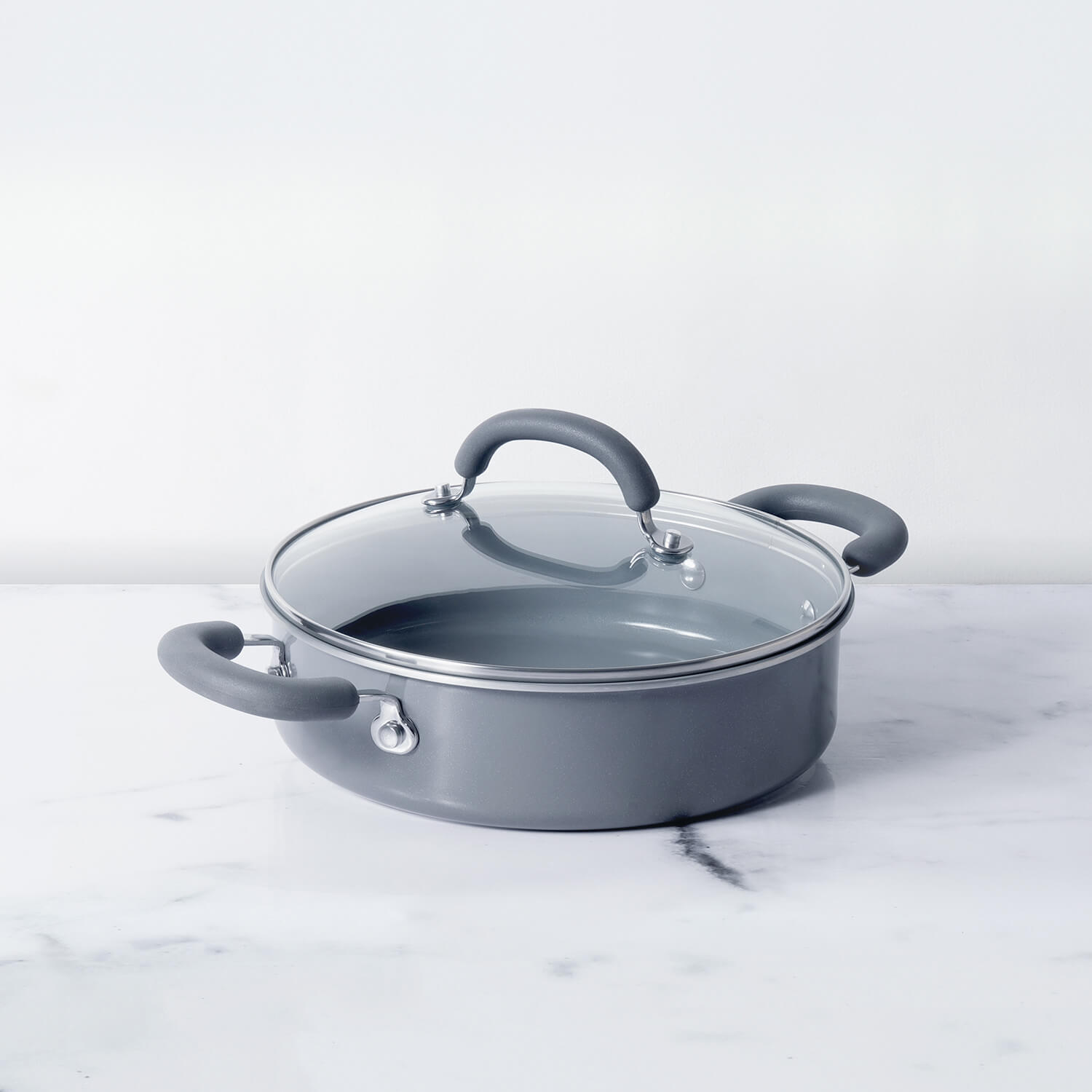


Leave a comment