



Cast iron cookware often carries an unfair reputation in modern kitchens—many people assume it is difficult to use, prone to sticking, or suitable only for experienced cooks. In reality, cast iron offers one of the most reliable and naturally non-stick cooking surfaces available when used the way it was intended. For generations, Indian households relied on cast iron tawas, kadais, and pots to cook everything from crisp dosas and soft rotis to slow-cooked dals and richly spiced sabzis. The secret behind this long-standing trust lies in cast iron’s ability to develop a natural non-stick surface over time—without chemical coatings or artificial layers.
Unlike synthetic non-stick pans that lose performance as they age, cast iron improves with regular cooking, becoming smoother, more responsive, and easier to use with every meal. Today, as Indian home cooks look for safer, toxin-free cookware that supports high-heat cooking and authentic flavours, cast iron is experiencing a well-earned revival. With modern innovations such as Meyer pre-seasoned cast iron cookware, achieving naturally non-stick performance no longer requires years of seasoning knowledge or complex maintenance—it simply requires understanding a few essential habits that allow cast iron to perform at its best.
Table of Contents
Understanding the Science Behind Natural Non-Stick Cast Iron
Cast iron becomes non-stick through a process called seasoning, where oil is heated until it polymerises and bonds to the metal surface. This creates a smooth, protective layer that fills microscopic pores in the iron. Unlike chemical coatings, this layer strengthens with use instead of wearing out. Each cooking session—especially when using oils common in Indian kitchens like mustard oil, groundnut oil, or ghee—adds to this naturally non-stick surface.
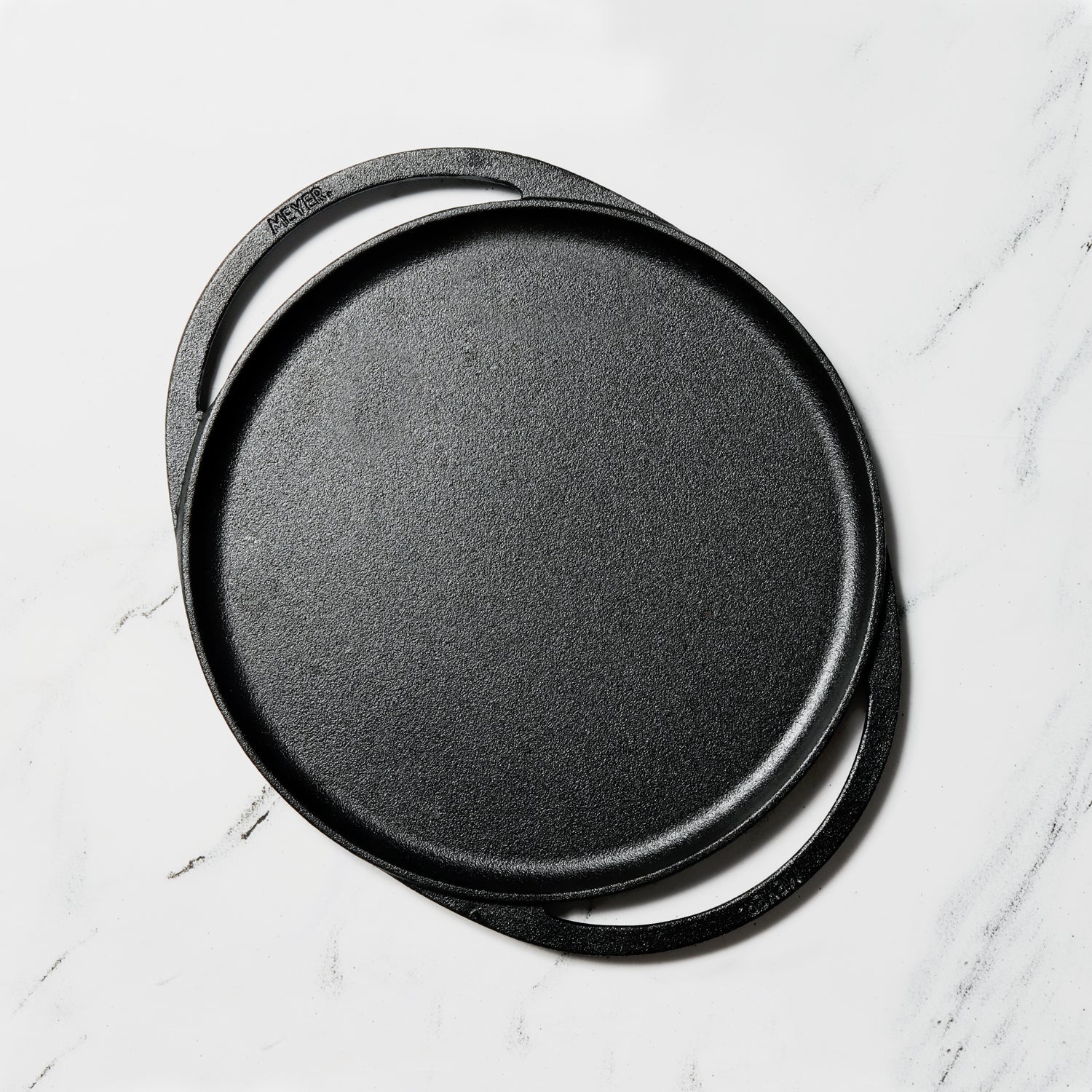
High-quality options such as Meyer Pre-Seasoned Cast Iron Cookware come factory-seasoned, making it easier for Indian home cooks to achieve non-stick performance faster without complex preparation.

Start with Proper Preheating
One of the most important steps to avoid sticking is preheating the cast iron pan correctly. Cast iron needs time to heat evenly. Always place it on low to medium heat for a few minutes before adding oil. When the pan is properly heated, food releases naturally instead of clinging to the surface.
This is especially important for Indian foods like dosas, parathas, cheelas, paneer, and shallow-fried vegetables.
Use the Right Amount and Type of Oil
Cast iron is not oil-free cookware—and that’s a good thing. Using a thin layer of oil helps maintain seasoning and enhances non-stick performance. Oils with moderate to high smoke points work best, such as mustard oil, rice bran oil, groundnut oil, coconut oil, and ghee.
Avoid adding food before the oil is warm. When oil shimmers lightly, the pan is ready.
Meyer Pre Seasoned Cast Iron Appam Pan, 20cm
Cook Frequently, Not Occasionally
Cast iron improves with regular use. The more often you cook, the stronger and smoother the seasoning becomes. Indian cooking naturally supports this process because it involves oil, spices, and heat—perfect conditions for building a durable non-stick layer.
Dishes like tadka dal, sabzis, aloo fry, paneer bhurji, omelettes, and shallow-fried snacks help develop seasoning faster than boiling or steaming.
Avoid Acidic Foods Initially
While seasoned cast iron can handle acidic ingredients, beginners should limit frequent cooking of tomatoes, tamarind, vinegar, or lemon in the early stages. These can weaken fresh seasoning. Once the pan is well seasoned—usually after a few weeks of regular cooking—it can safely handle most Indian gravies.
Clean Gently, Never Aggressively
To preserve non-stick performance, avoid harsh detergents or scrubbing pads. Clean the pan with warm water and a soft brush. Dry it completely and apply a light coat of oil before storing. This simple habit prevents rust and maintains a smooth cooking surface.
Modern pre-seasoned cookware like Meyer cast iron is designed for easier cleaning, making daily maintenance less intimidating for busy Indian households.
Use the Right Cooking Techniques
Cast iron rewards patience. Avoid moving food too early. Whether it’s a dosa, fish fry, or paneer slice, let it cook undisturbed until it naturally releases from the surface. Forced flipping is one of the most common reasons food sticks.
Over time, this technique—combined with good seasoning—makes cast iron almost effortless to use.
Conclusion: Natural Non-Stick That Gets Better With Time
Unlike synthetic coatings that wear off, cast iron’s non-stick performance grows stronger with every meal. When seasoned properly, preheated patiently, and maintained gently, cast iron becomes one of the most reliable and flavour-enhancing cookware choices for Indian kitchens. With thoughtfully designed options like Meyer Pre-Seasoned Cast Iron Cookware, achieving natural non-stick cooking no longer requires guesswork or years of experience—it simply requires consistent, mindful use.
For home cooks who value durability, safety, and authentic flavour, cast iron offers a naturally non-stick solution that truly stands the test of time.
MORE FROM BLOG
Top Collections

7 Delicious Recipes You Can Prepare in Your Cast Iron Kadai
2 Items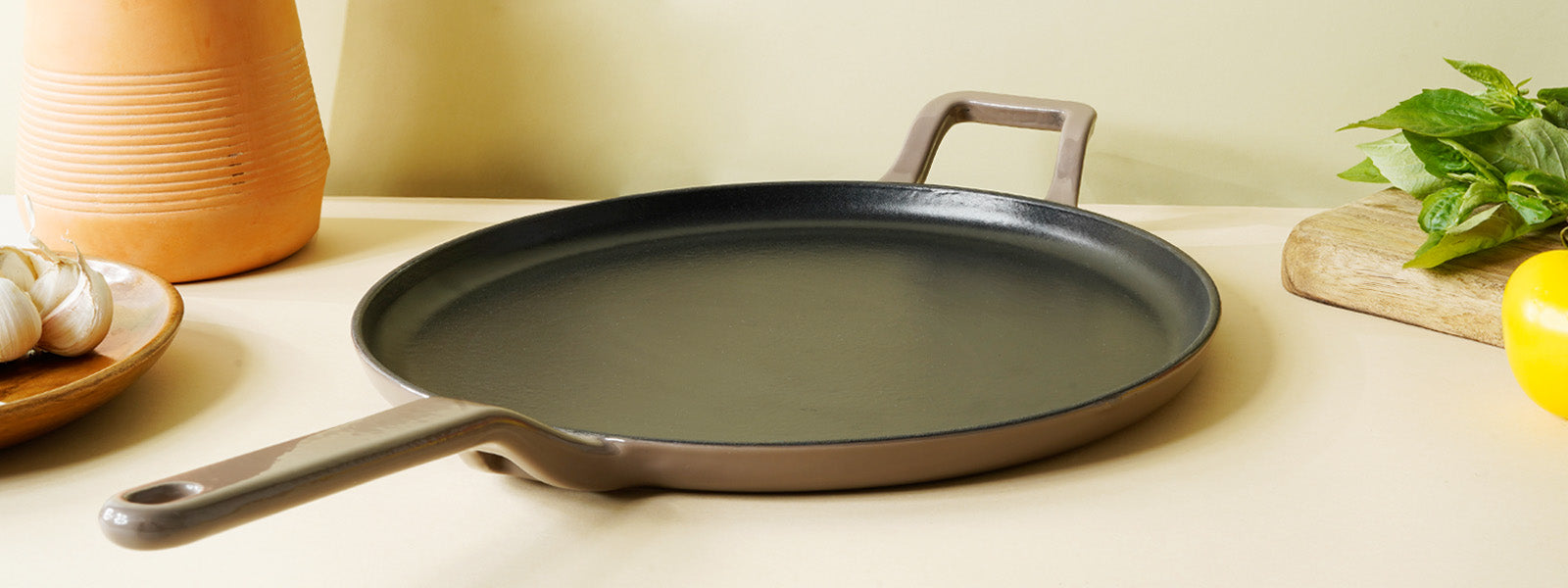
Add Enamelled Cast Iron Dosa Tawa to your kitchen this Diwali
2 Items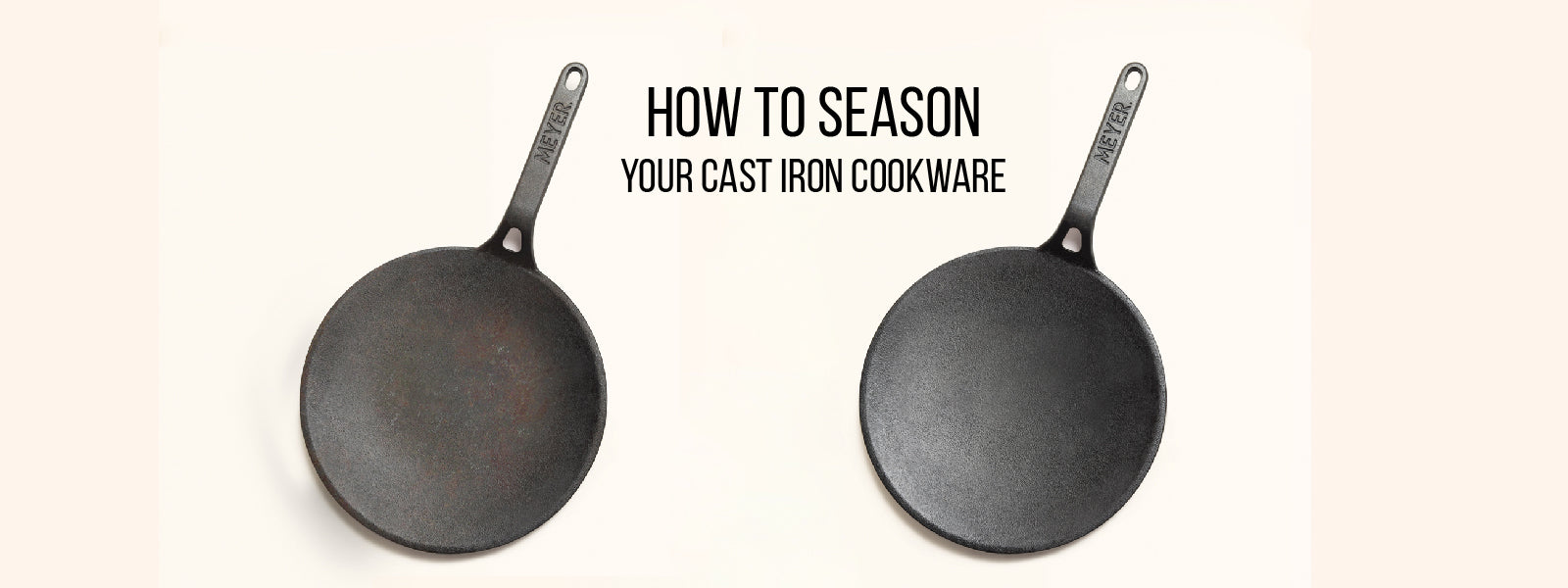
How To Season Cast Iron Cookware?
2 Items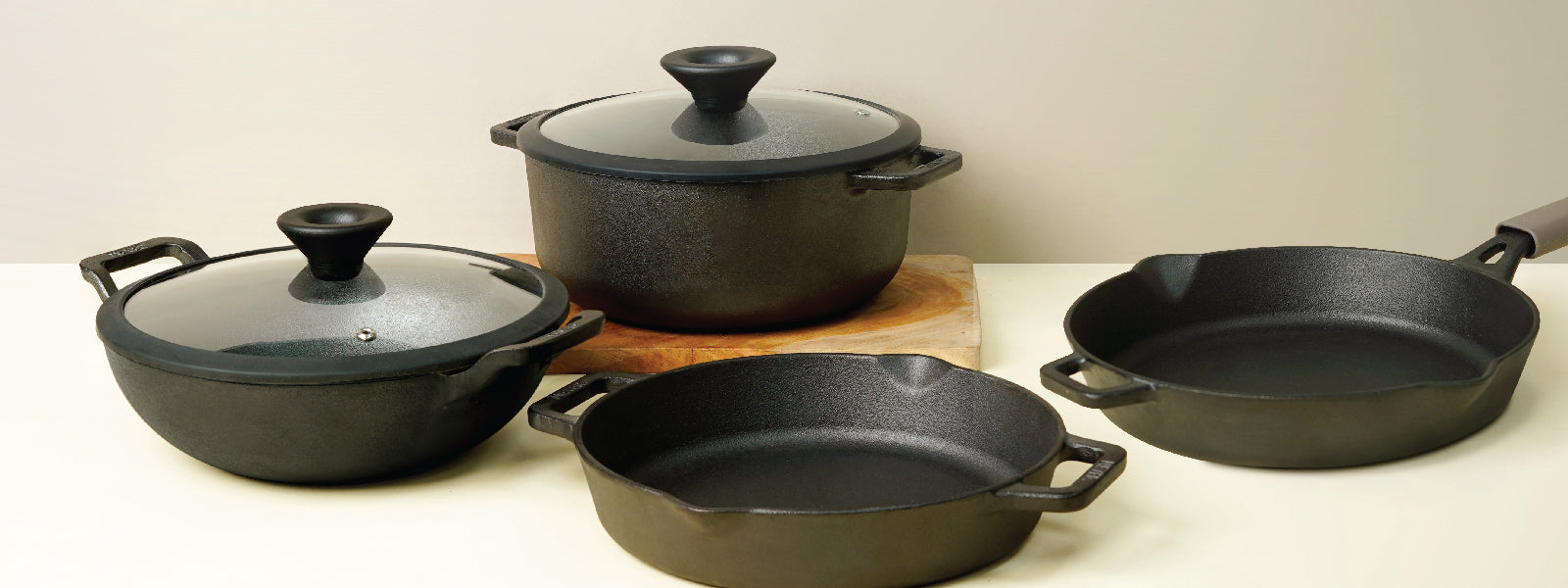
Benefits and Recipes for Cooking with a Cast Iron Kadai with Lid
2 Items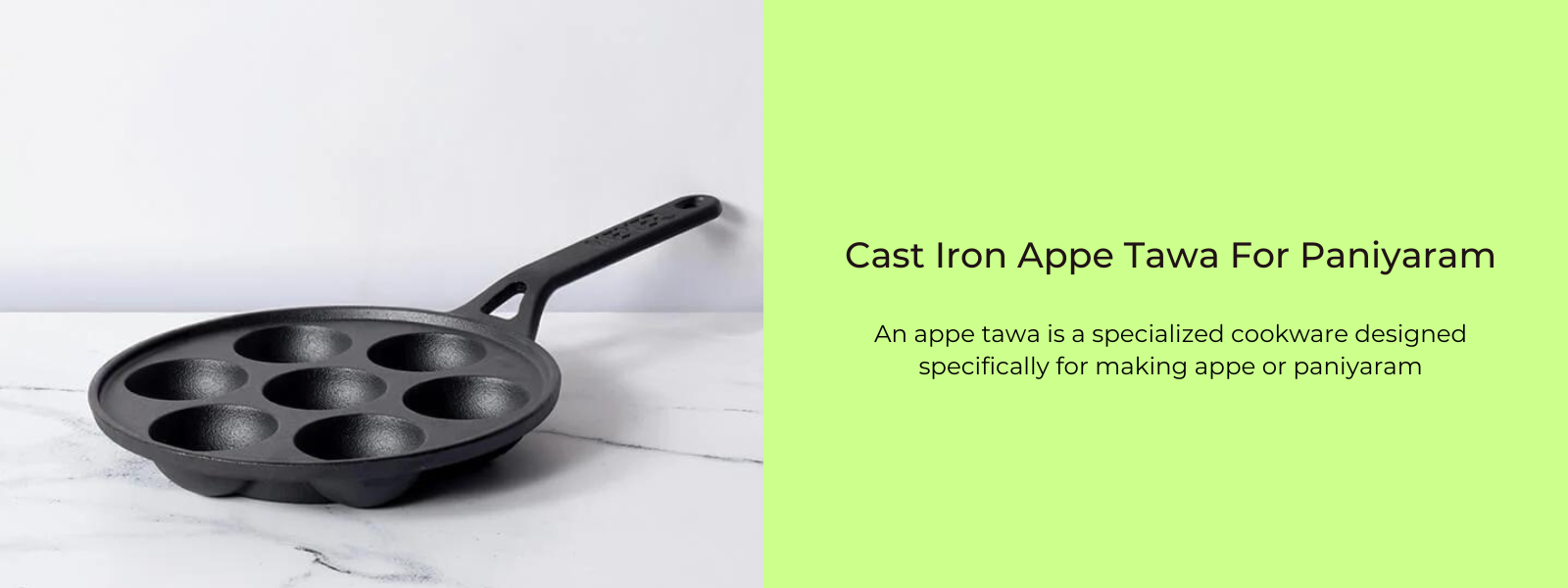
Best Cast Iron Appe Tawa For Paniyaram
2 Items


Leave a comment